

The total solar eclipse on Aug. 12, 2026 will sweep across parts of the Northern Hemisphere, offering millions of people a chance to witness one of nature's most spectacular sights.
The path of totality — in which the moon completely covers the sun — begins over the Arctic Ocean, before crossing eastern Greenland, western Iceland and northern Spain. It then passes over the Balearic Islands before ending over the Mediterranean Sea.
Only skywatchers inside this relatively narrow path, just 182 miles (293 kilometers) wide, will experience totality, where day briefly turns to twilight. Here, you'll be able to safely see the sun's outer atmosphere, known as the corona, with the naked eye during the fleeting moment when the moon completely obscures the sun.
A much larger region surrounding the path of totality will instead see an impressive partial solar eclipse. Much of Europe, including the U.K., Ireland, France, Germany, Italy and Scandinavia, will witness the moon take a "bite" out of the sun.
Northern Spain is expected to be one of the most popular destinations for eclipse chasers thanks to its relatively accessible location and the low evening sun on the big day, which could create dramatic views as totality unfolds close to sunset. Greenland and Iceland offer very different experiences, with totality taking place higher in the sky against the nations' spectacular Arctic landscapes.
We'll have reporters on the ground to keep you updated each step of the way. Be sure to follow along on our total solar eclipse live blog to stay up to date with all the latest news and action as Skywatching Editor Daisy Dobrijevic embarks on an eclipse expedition to Greenland with HX Expeditions and Skywatching Writer Anthony Wood heads to Spain to experience the eclipse with NASA's DEB initiative and citizen scientists.
The global path of the total solar eclipse on Aug. 12, 2026. (Image credit: Created and annotated by Jamie Carter using MapHub.net. Sources: Esri, Maxar, GeoEye, Earthstar Geographics, CNES/Airbus DS, USDA, USGS, AeroGRID, IGN and the GIS user community. Eclipse path by Xavier Jubier)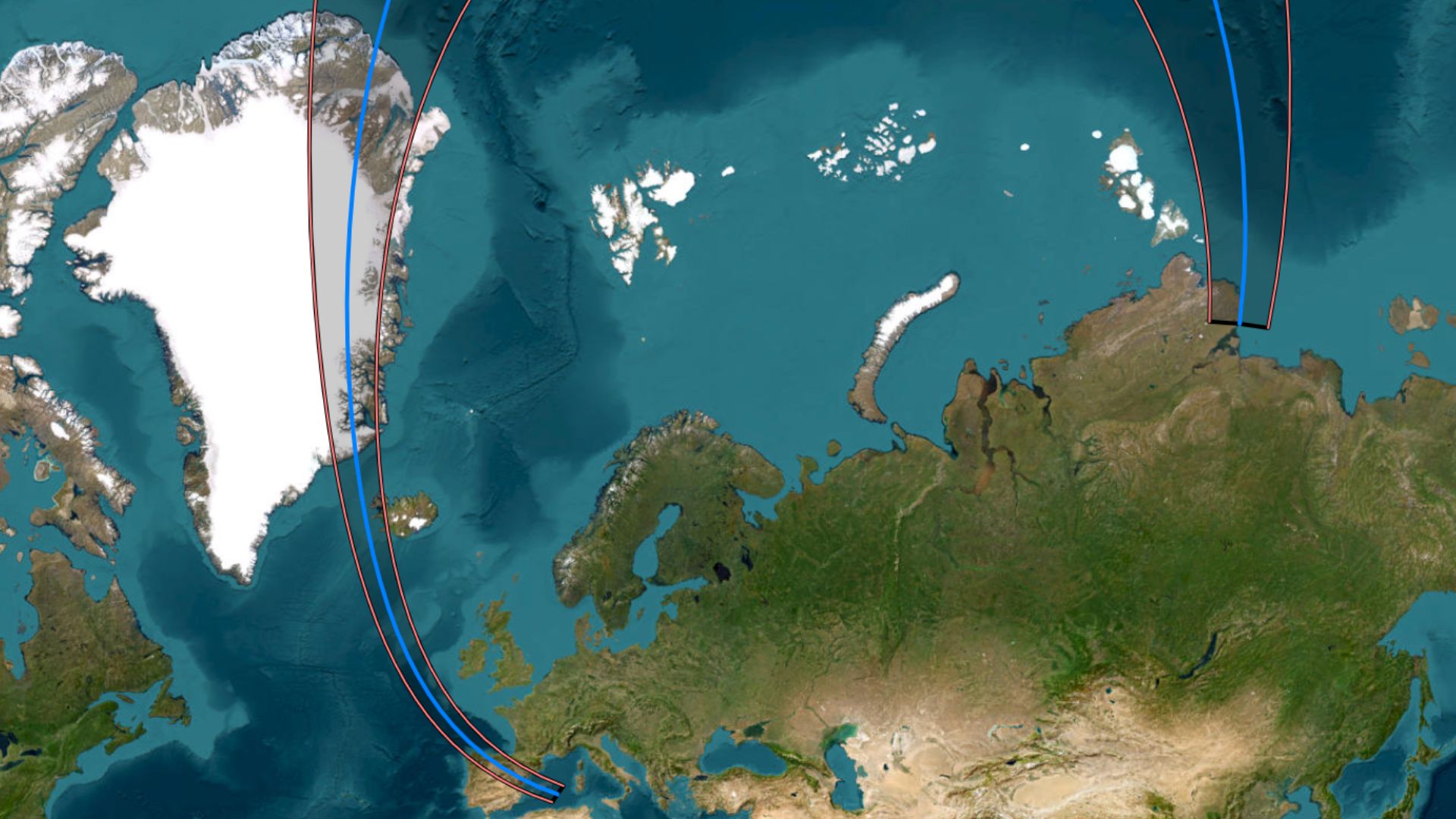
How to watch
Wherever you plan to watch from, remember that it is never safe to look directly at the sun without proper eye protection. Certified solar eclipse glasses or a solar filter fitted to telescopes, binoculars and cameras must be used throughout the partial phases. Only during the brief period of totality, when the moon completely blocks the sun, can you safely remove your eclipse glasses and look directly at the eclipse.
We will also be livestreaming the eclipse here on Space.com; details will be released closer to the time.
Want to know exactly where the eclipse will be visible and how long totality will last at different locations? Check out our complete guide to where to see the Aug. 12, 2026 total solar eclipse, including detailed maps, timings and viewing advice.




 Bengali (Bangladesh) ·
  English (United States) ·