

FRASCATI, Italy — Observing Earth from space provides a much-needed insight into the evolution of our planet's health. This is particularly important in the face of climate change, as environmental degradation, food insecurity and extreme weather events can all reveal themselves in stark images taken from high above our planet's surface.
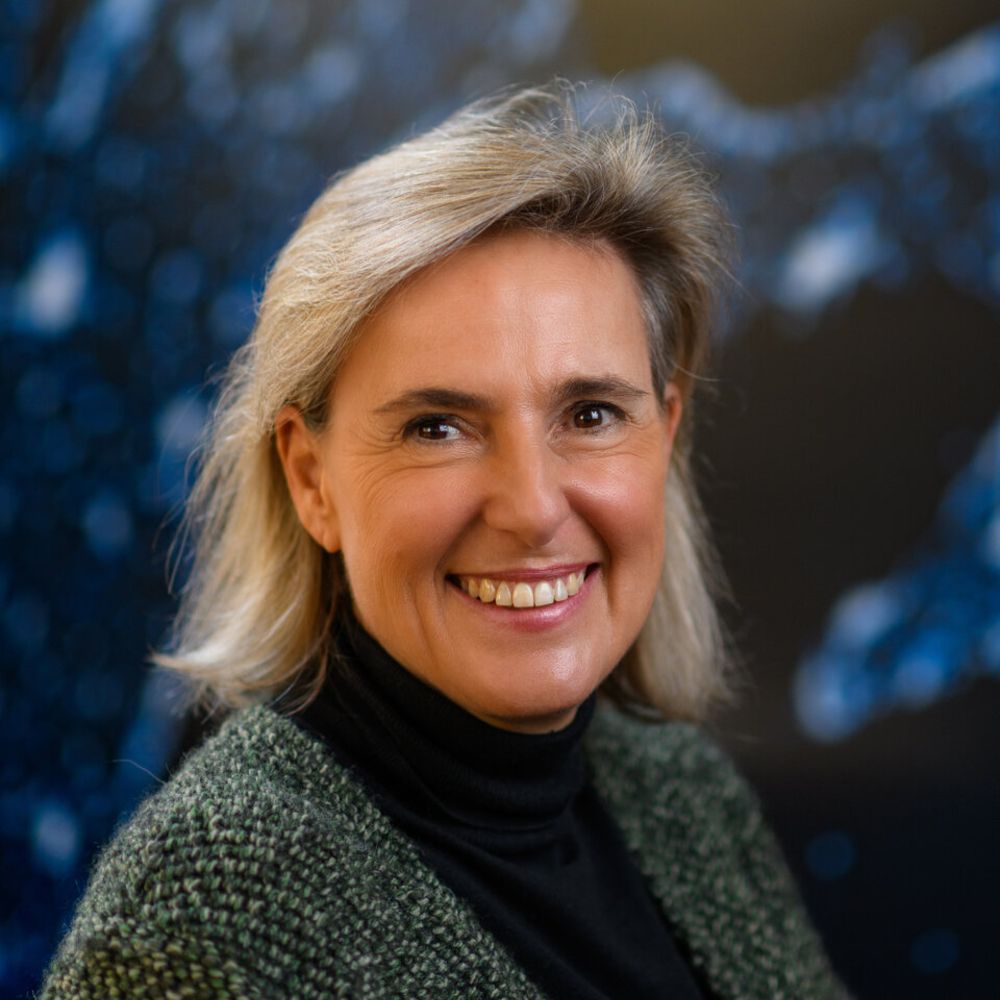
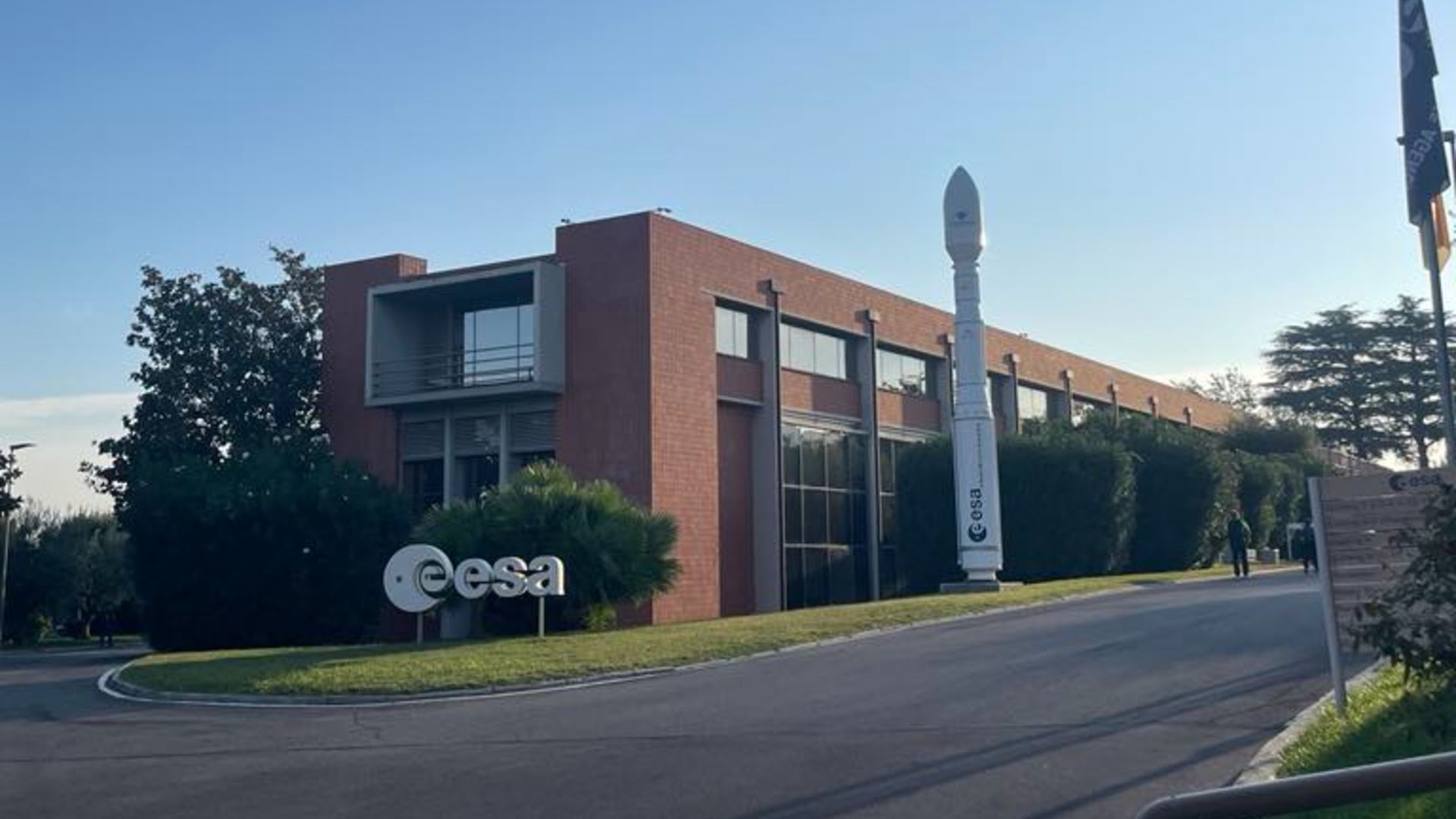
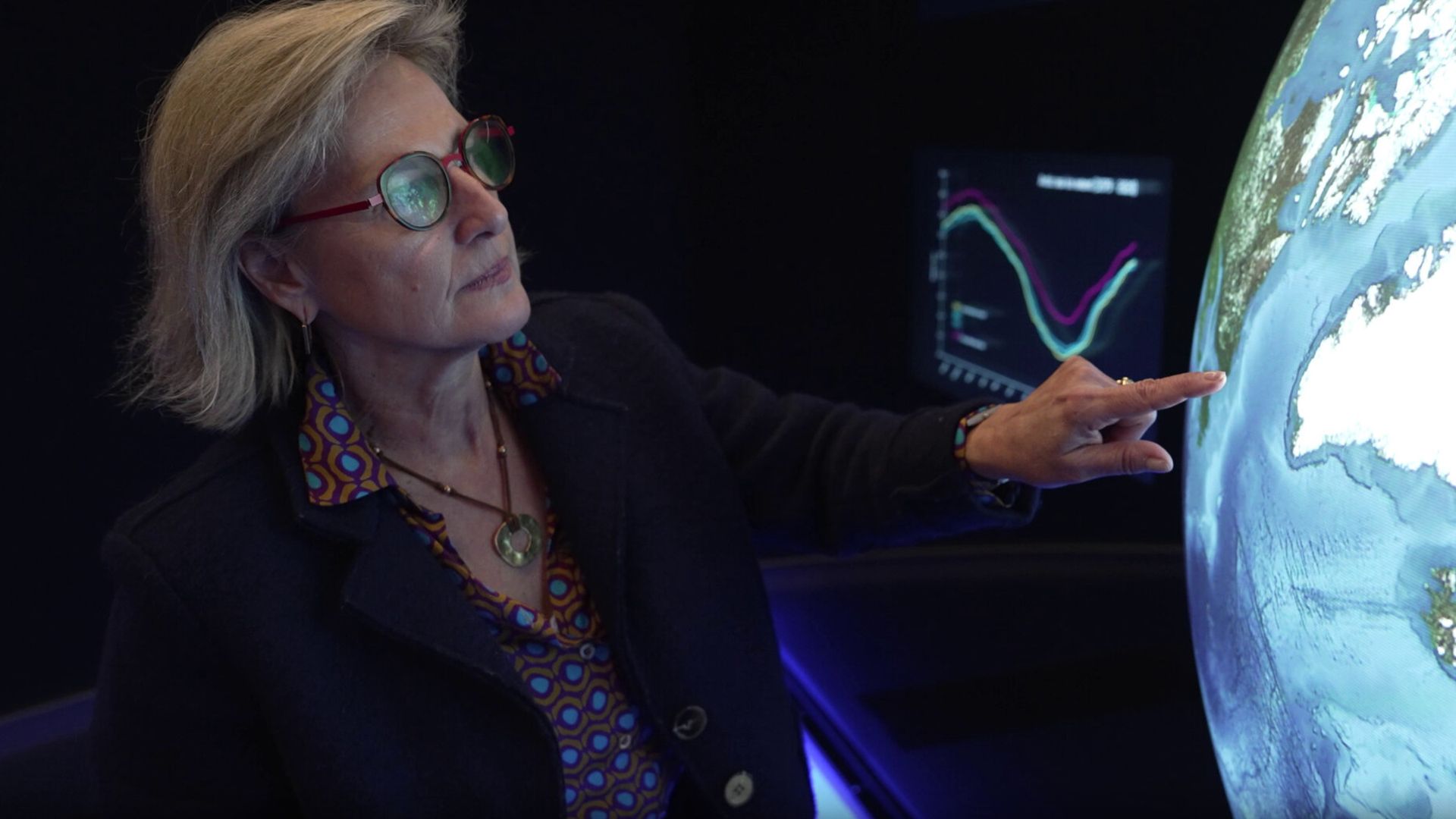
Simonetta Cheli is the director of Earth observation programs at the European Space Agency (ESA) and the head of the European Space Research Institute (ESRIN) in Frascati, Italy. With nearly 40 years of experience in the field, she is one of the world's leading experts on Earth observation.
Live Science spoke with Cheli on a recent visit to ESRIN to talk about why Earth observation is so important, how NASA budget cuts and political changes have altered the picture, and why private space satellites risk our ability to view the planet clearly.
Live Science spoke with Cheli on a recent visit to ESRIN to talk about why Earth observation is so important, how NASA budget cuts and political changes have altered the picture, and why private space satellites risk our ability to view the planet clearly. She also discussed how new supercomputers, like ESRIN's newly operational Space HPC, are helping to process vast amounts of data like never before — and shared her favorite recent satellite snap of our planet
Harry Baker: Why is observing Earth from space so important?
Simonetta Cheli: It's important because we need to know today what is the state of our planet, if it's healthy or if it's in danger, if it's stressed or not.
It's important to have objective information on many different variables, such as deforestation, the quality of the air that we breathe, the evolution of the oceans or the melting of ice masses. Basically, we need to be aware of what the situation is on Earth today, so we can preserve it tomorrow.
HB: How has ESA's Earth observation program changed throughout your career?
SC: When I started at ESA [in 1988], we were relying on missions from partners, including the Americans and Japanese. We didn't have our own missions.
We launched the first mission [ERS-1] in 1991. Today, just here at ESRIN, we manage over 20 missions and are planning more than 40 more. We have also launched three different missions in the last three weeks — one to look at how oceanography impacts extreme weather events [International Report for an Innovative Defence of Earth]; one to monitor the fluorescence and health status of vegetation [Fluorescence Explorer]; and one to measure temperature on land and sea [Sentinel-3C], which was a super useful thing this summer.
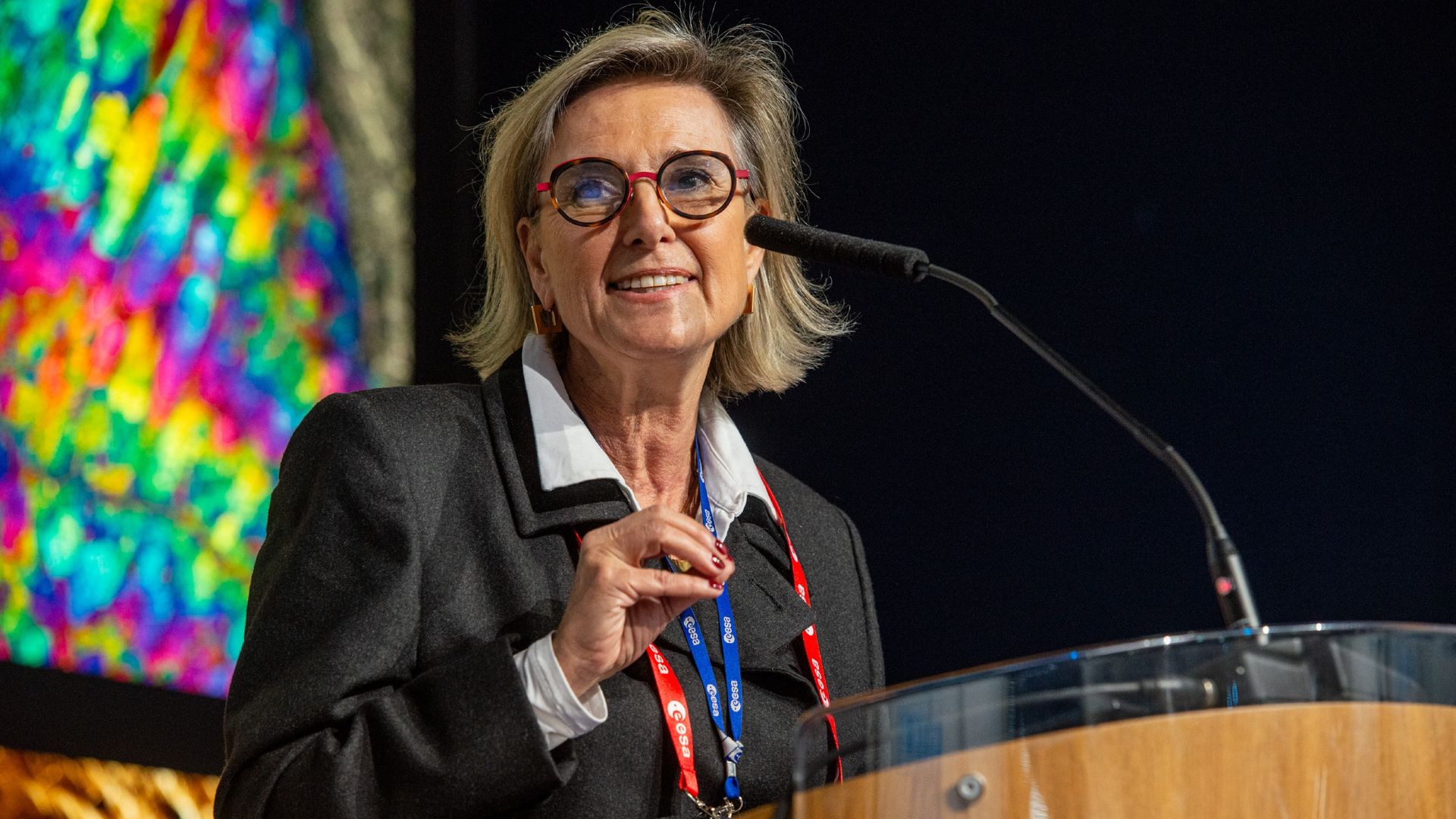
Europe is now a leading power in this domain worldwide. We have evolved a lot.
HB: How important is it to cooperate with other countries when observing our planet from above?
SC: Well, I must say, in ESA, it's in the DNA of our work. ESA includes 23 countries today, so we work together daily. We also work very closely with other commercial partners and the European Union, as well as international partners like NASA, Brazil, India and Africa. So this is part of our job, and very much also in the domain I'm managing.
We used to go to the climate conferences together. We are not anymore.
Simonetta Cheli, ESA
To tackle climate and environmental stability, you cannot just do things alone at the national level. You have to share data and work with everybody in the world, where you have to have common objectives. For example, what happens to Greenland affects everybody on Earth, not just the people who live there. So the collaboration, I think, is very much inherent in our daily job at ESA and between our partners.
HB: Given the recent cuts to NASA's funding, including its Earth observation budget, does ESA feel a bigger responsibility to step up and fill the gap?
SC: I think we certainly have a bigger opportunity in the sense that today, with the systems we have and the satellites we have and the missions we have, even before the political context. For example, we were already leading the U.S. with data on emissions.
We have a very good working-level collaboration with our American partners. This is somehow preserved, although politically it is, of course, more delicate. We used to go to the climate conferences together. We are not anymore.
HB: ESA just launched the latest batch of satellites in the IRIDE constellation (an Italian funded network of Earth-observing spacecraft designed and operated by ESA). What makes these satellites so special? And how are they helping your research?
SC: We launched the latest eight [satellites] last night! (The IRIDE satellites launched on Oct. 1, the day before this interview took place.)
Sixty-eight satellites are planned overall in this constellation, and we have launched quite a few [39] already, and plan to launch some more before the end of the year.
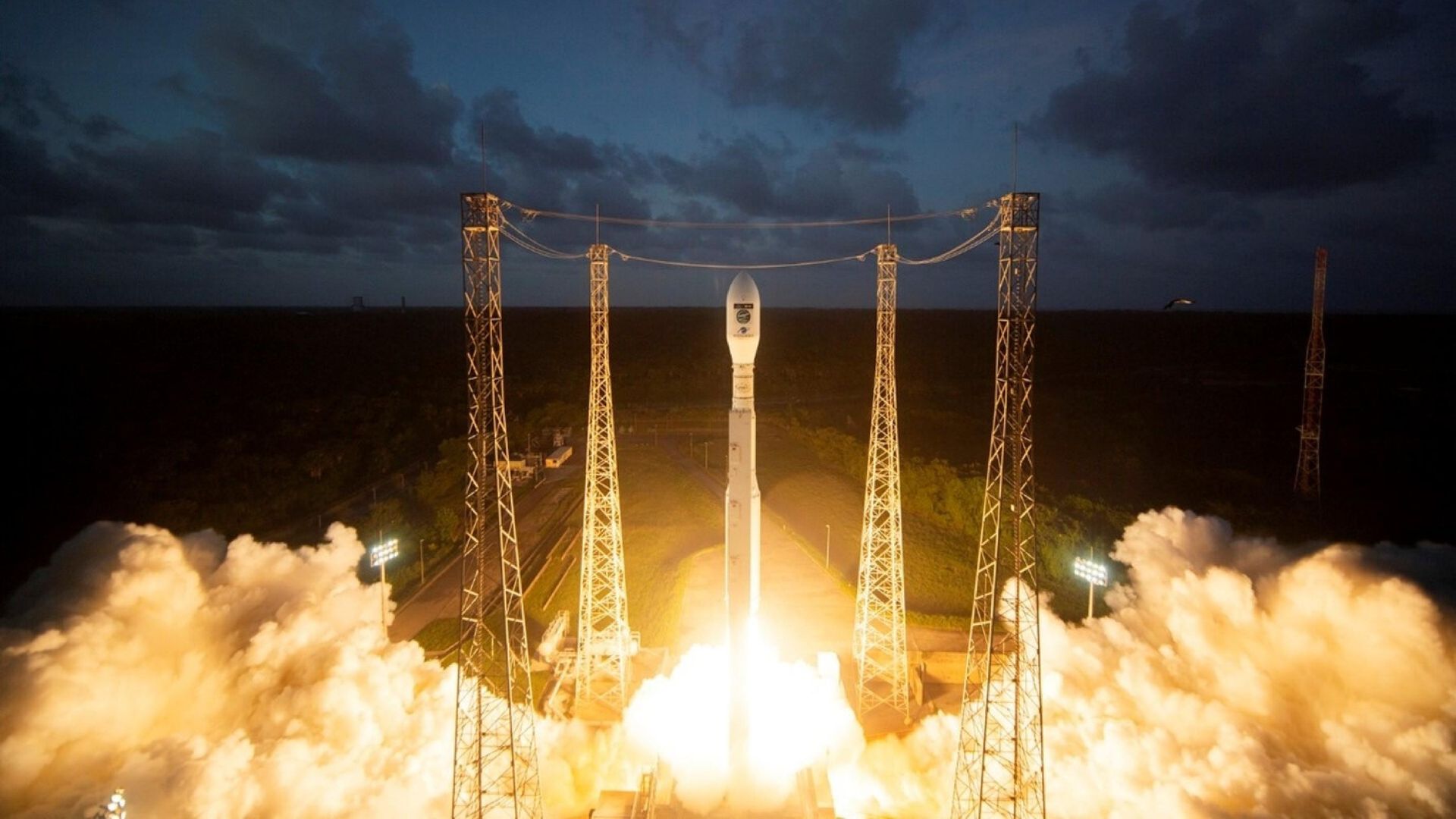
The network will collect a lot of data from the optical radar spectrum that will support different user needs: for example, in the civil protection area, in coastal erosion monitoring, in coast guard operations and in environmental stress analysis. And so this system will certainly be a big contribution to the wider European Earth observation setup.
HB: The number of private satellites, like in SpaceX's Starlink constellation, is increasing fast. Are you worried about the impacts that this might have on your scientific spacecraft?
SC: We are worried because we see that the anti-collision maneuvers are increasing and increasing. When my mission manager tells me we have to move the satellite because there is a risk of collision with another satellite, we have to go check with ESO [European Southern Observatory] in Germany, and then the operations center moves the satellite. And the number [of times we've done this] has certainly increased in the last four or five years due to the increased number of satellites up there.
For the moment, the technical collaboration with partners is going quite well. So when we see someone else's satellite, we actually try to organize things as best we can, and technically it's working well. But what we need for the future is a clear framework at the legal level, which is engaging everybody.
"Everybody" in space is no longer only the institutional partners; it's not just the space agencies of the world that should engage. Today, you have private actors, like Starlink, and if they don't engage in the same rules, you risk having a delicate situation. But this is something that we are discussing daily, and we're tackling.
HB: The whole point of Earth observation is to protect our planet. How do you feel about some of the negative impacts of launching satellites, such as exhaust plumes, metal pollution and space junk?
SC: There is a very strong objective linked to sustainability at ESA. It is not just about using the data to better preserve our planet; it's also about being sustainable in the daily work we do.
This is linked to, for example, trying to have a space debris policy; trying to have enough propellant on board of the satellites that we build to make sure that once they finish their lifetime, they come back with a re-entry assist and they don't stay there in orbit. And the same is true in the launcher domain, where there's a very strong effort from our partners in French Guiana [where ESA's only active launch site is located] to lessen our impact as much as possible on the environment with the launch setup.
There's a really dedicated team doing all this.
HB: How will AI systems and advanced computers, like Space HPC, help researchers process data? And what sort of things could that help you do?
SC: We have today a wealth of data that is continually increasing. Just in the Copernicus program [Europe's biggest Earth observation initiative], we receive 500 terabytes of data per day.
We also have big volumes of data in the archives here at ESRIN from science missions of international partners, including Japan, India, the U.S. and others. This "heritage data" guarantees that archival data of missions that have ended are preserved, which is super important.
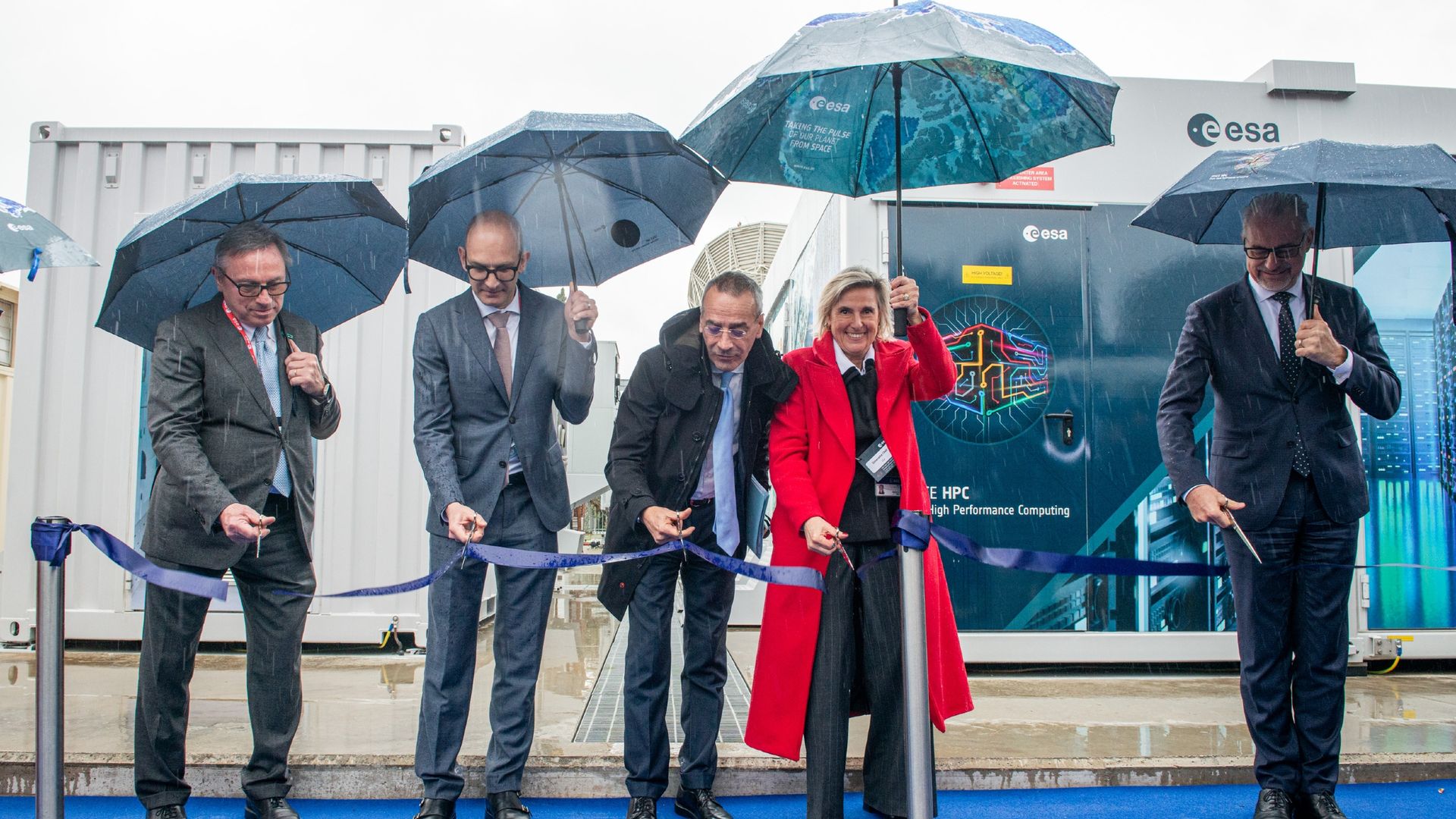
So instruments like SpaceHPC, which have high computing capability, help us a lot to process those datasets faster.
HB: What is your favorite satellite photo of Earth?
SC: I have too many favorite satellite photos, I must say. But this summer, the one I really found striking was a thermal image of Europe's heatwaves because, in that image, you see that the temperature on land and on sea was increasing so much.
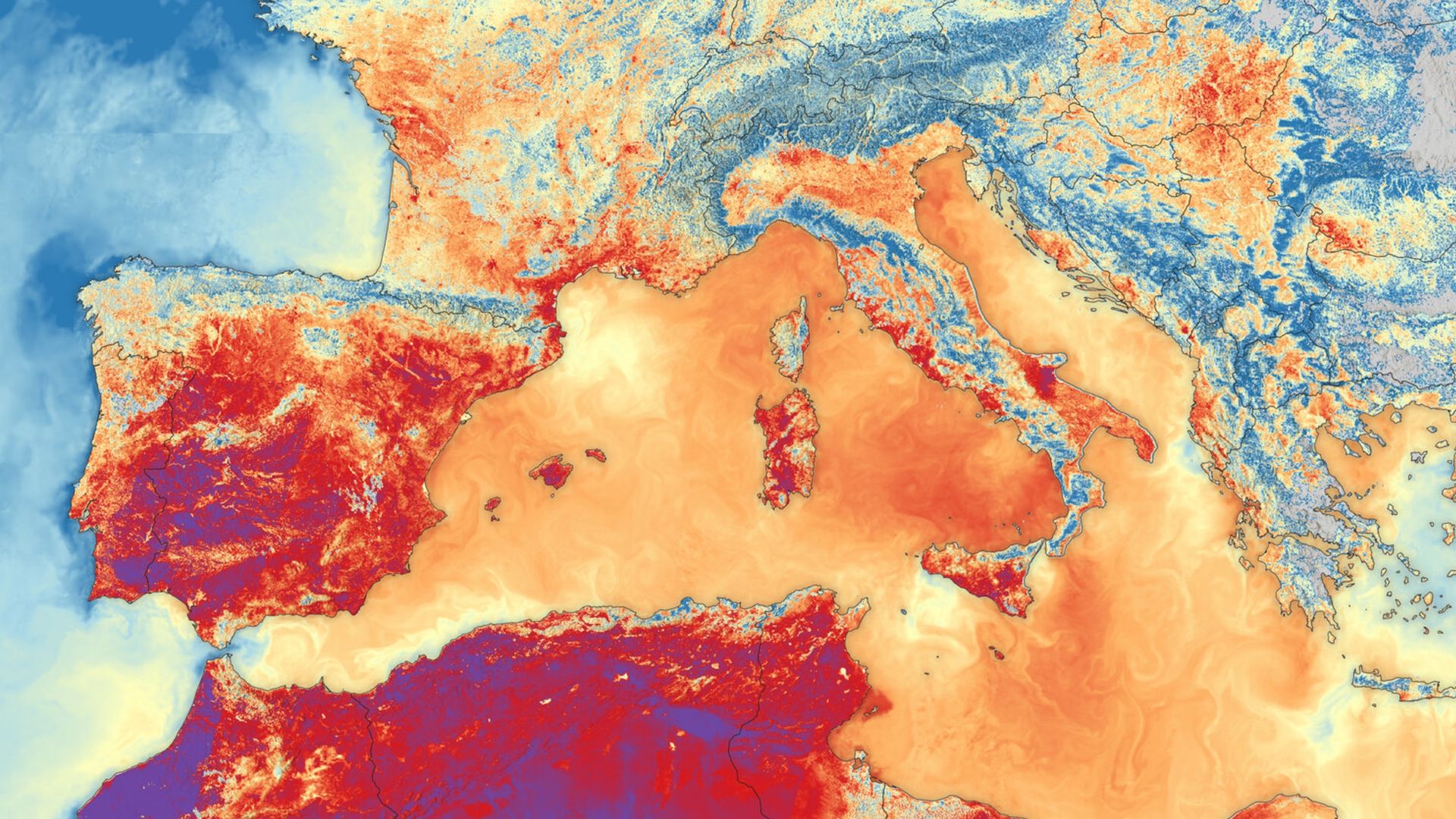
It was captured by Sentinel-3B [a predecessor of the recently launched Sentinel-3C], and you see the red in the sea, and you see the red on the land, and I think it gives the feeling of the heat wave that we've all been living through this summer. We had, I would say, the hottest summer ever.
But it makes me feel that we can do a lot about it. It makes me feel that we have tools and certainly information capabilities to support, help, and also raise awareness about this topic.
So right now that is a favorite, but there are so many [other photos].
This interview has been condensed and edited for clarity.


 Bengali (Bangladesh) ·
 English (United States) ·