

 WUKA/ Boots
We hope you love the products we recommend! All of them were independently selected by our editors. Just so you know, HuffPost UK may collect a share of sales or other compensation from the links on this page if you decide to shop from them. Oh, and FYI — prices are accurate and items in stock as of time of publication.
We can all remember our first period. No matter how much prep you have, it always comes as a bit of a shock to see blood coming out of a body part for the first time.
On top of the overall weirdness of your body changing, the way periods are spoken about at school barely scratches the surface of the issue.
Then there’s the embarrassment of going to school, the comparison of when you got it in relation to your friends, and knowing what period products to buy and wear.
While you might assume things have moved on considerably from when we were at school, for a lot of teens, the unknown of periods is still awkward and scary. In fact, Plan UK found that 48% of girls in the UK feel embarrassed by their period, while 49% have missed an entire day of school as a result.
But early periods don’t have to be a stressful experience, especially not now that we have more options of what to wear during our period than we did even a decade ago.
Whether your kid has just got their period, or is approaching that age, here’s how to talk to them about periods and the best period wear to shop now.
The best period products at a glance
WUKA Teen Period Two-Tone SwimsuitWUKA Teen Period Starter KitModibodi Teen Underwear Period Kit With 2 Pack Hipster BoyshortModibodi Teen SmileyWorld Hipster Boyshort Modibodi Teen Hipster Boyleg 3 PackWhat age should you talk to teens about periods?
Girls can get their periods as young as eight, so it can help to talk to them about menstruation before then, according to Ruby Raut, CEO and founder of WUKA, which recently launched WUKA Talks, an education programme for families.
“Parents should start conversations much earlier than most expect, ideally from the age of five or six, by introducing the idea that bodies change as part of growing up,” she says.
“By the time children are eight to ten, they should have a clearer understanding of what a period is and what it might feel like, especially as many girls are starting their periods earlier than anticipated.”
Talking to children about periods from a younger age can help them become familiar with the topic and avoid confusion or anxiety around the time their period starts, Raut explains.
“Early, age-appropriate conversations help ensure that when a child’s first period arrives, it feels expected rather than frightening,” she adds.
How to talk to kids about periods
We’re so used to the idea of ‘the talk’, whether that’s about periods, sex, or anything body-related.
But these conversations should be ongoing, Raut advises.
“Parents should approach conversations about periods as ongoing, everyday discussions rather than a one-off talk, using simple, calm and matter-of-fact language,” she says.
While these talks should avoid creating unnecessary stress, they should also prepare children for some of the less wanted side-effects of periods.
“It is important to frame periods as a normal biological process that happens to over half the world’s population, avoiding language that creates fear or embarrassment,” Raut explains.
“Being honest about the range of experiences, from feeling completely fine to experiencing cramps or tiredness, helps set realistic expectations without overwhelming teenagers.”
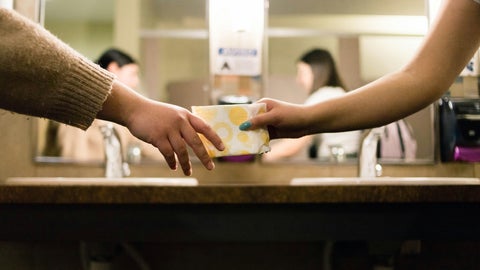
Parents can also normalise periods by keeping their own products visible, Raut advises, and speaking openly about their own personal experiences.
“The essentials are clarity, consistency and creating a safe space where teenagers feel comfortable asking questions without judgment,” she says.
What type of teen period products are available?
Thankfully, we now have a far wider range of period products available than when we were young.
Period products are expensive – 40% of girls in the UK have had to use toilet roll because they can’t afford sanitary products.
But disposable products like pads and tampons are no longer the only options, explains Raut.
“There are several options for teen period care, including pads, tampons, menstrual cups and period underwear, and it is important to introduce these in a practical, non-intimidating way,” she explains.
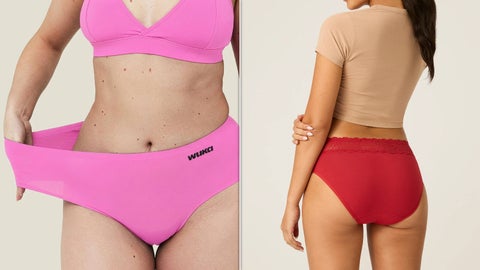
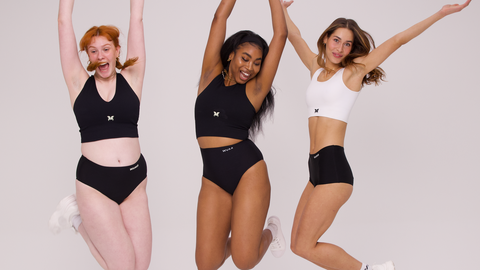
“For many teenagers, especially those just starting, period underwear can be the easiest option as it feels like regular underwear, requires no insertion and involves minimal learning. At the same time, pads are also accessible but need to be changed regularly.”
While tampons and period cups are also available, they might require more guidance than pads and pants, according to Raut.
No matter what products you choose, it’s important to show kids how to use them, Raut says.
“Parents can support their children by showing them the products, explaining how each one works, and walking through simple real-life scenarios, such as what to do if a period starts at school.
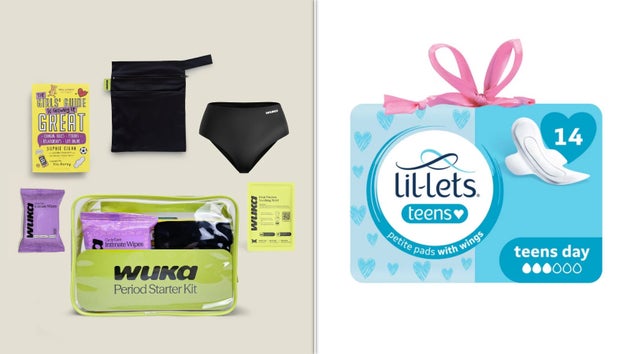
“Preparing a small starter kit with essentials like spare underwear, a discreet bag and wipes can also help build confidence and reduce anxiety.”



 Bengali (Bangladesh) ·
  English (United States) ·