

In a recent video, surgeon, author, and medical myth debunker Dr Karan Rajan said that the portfolio diet could “reduce your [low-density lipoprotein] LDL cholesterol as much as a statin”.
Statins are medications designed to lower a person’s LDL, or “bad”, cholesterol levels, thus reducing their risk of heart disease and stroke.
A 2003 study found that the portfolio reduced LDL cholesterol by almost 29%. In other words, it seemed about as good as low-dose statins (those which reduce LDL cholesterol by 30% or less) at lowering “bad” cholesterol.
The British Heart Foundation cautioned that statins may carry unique benefits and better-proven outcomes outside of just lowering LDL cholesterol. If you’ve been prescribed statins, keep taking them as long as your doctor advises.
But if you’re trying to keep your LDL levels healthy in general, some research suggests the portfolio diet can reduce “bad” cholesterol by as much as 30%.
What is the portfolio diet?
The diet, which was invented in the early 2000s by Dr. David J.A. Jenkin, is designed to combine several LDL cholesterol-reducing foods into a single plan.
Speaking to Harvard Health, dietitian Andrea Glen – who was involved in 2023 research that showed sticking strictly to the Portfolio diet was linked to a 14% lower risk of heart disease – said: “A lot of different foods can lower LDL cholesterol, but only by a little bit – about 5% to 10%.
“The idea behind the portfolio diet was to combine many of these foods together to get a larger reduction.”
How can I follow a portfolio diet?
The portfolio diet focuses on four main components:
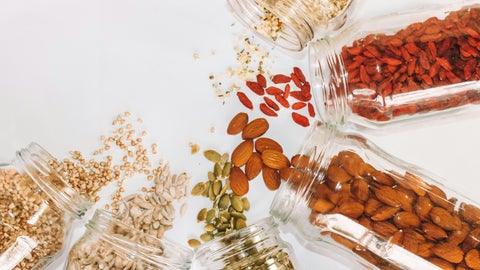
Plant protein, especially soy protein, found in tofu, edamame beans, lentils, and tempeh.Consuming these has been linked to a 4-6% LDL cholesterol reduction, and the portfolio diet asks you to aim for least 35g a day.Plant sterols, like those found in minimally processed olive, sunflower, and rapeseed oils and fortified products e.g. some margarines, milks, and yoghurts which say they help to lower cholesterol.
A 2014 review of studies found that eating up to 3.3g a day of plant sterols a day lowered participants’ LDL cholesterol levels by 6-12% after four weeks, though consuming more did not lead to better results. The portfolio diet suggests 2g of plant sterols a day, which the British Heart Foundation says you probably won’t get from oils, fruits, veg, and grain alone: reach fof fortified foods for the most effective does. Tree nuts, like almonds, Brazil nuts, hazelnuts, cashews, macadamia nuts, walnuts, and pistachios.
These could help to reduce LDL cholesterol by anywhere from 3-19%. The portfolio diet asks you to eat a handful, or 42g, of tree nuts a day.Soluble fiber, which you can get from fruits, vegetables, whole grains, and legumes (e.g. black beans, oats, Brussels sprouts, barely, sweet potatoes, carrots, avocado, and soft fruit, like apples and pears).
Getting enough soluble fibre has been linked to 5-11 lower LDL cholesterol level points. The portfolio diet recommends 18g a day.
Taking psyllium husk can help if you’re struggling to reach your soluble fibre goals, while (as we mentioned) plant sterol-fortified yoghurts, spreads, and milk products are probably the best way to help you meet that target.





 Bengali (Bangladesh) ·
  English (United States) ·