

While John Harvey was working as a veterinarian in Devon, England, his clinic looked for ways to lower its carbon footprint. They installed energy-efficient light bulbs. This got Harvey thinking: What about the animals? How much did pets impact the planet?
Take their food. Dogs and cats eat a meat-based diet. Raising livestock for meat uses a lot of land, water and energy. It also contributes to climate change by producing greenhouse gases. Harvey suspected pet food would have a large carbon footprint, but he couldn’t find much data on it. So in 2024, Harvey started studying how different types of dog food affect the planet. Now, he’s a researcher at the University of Edinburgh in Scotland and the University of Exeter in England.
Explainer: CO2 and other greenhouse gases
Outdoor dogs and cats may also hunt or scare local wildlife. And many other pets — reptiles, frogs, birds and fish — are taken from the wild for sale as pets. This could harm wild populations and the ecosystems they come from.
But, in many homes, pets are an important part of the family. They can boost our well-being and bring joy. Harvey has found ways to both love our pets and care for the planet. Now, he and other scientists share science-based tips for pet owners seeking to shrink the environmental pawprint of their pets’ foods, poop and origins.
Chow down chowhounds
Dogs are super popular pets. In the United States alone, there are close to 90 million pet canines. What dogs eat is their “biggest single impact” on the planet, Harvey says. He is part of a team that analyzed nearly 1,000 types of dog food. Their goal: to calculate the greenhouse gas emissions linked with making each.
Wet and raw dog foods had the highest emissions. Wet food’s footprint was high because it comes in metal cans, which take a lot of energy and resources to make. Raw dog food contains more meat than other types of foods. It also needs energy to keep it cold.
The type of meat we feed dogs also really matters. This includes the animal it comes from, such as chicken, fish or beef. But also “you can make great dog food out of trimmings of meat,” Harvey says. These are the parts often not used in human food, such as liver and kidney. Using meat parts that would otherwise be thrown out means using fewer livestock — and their associated resources.
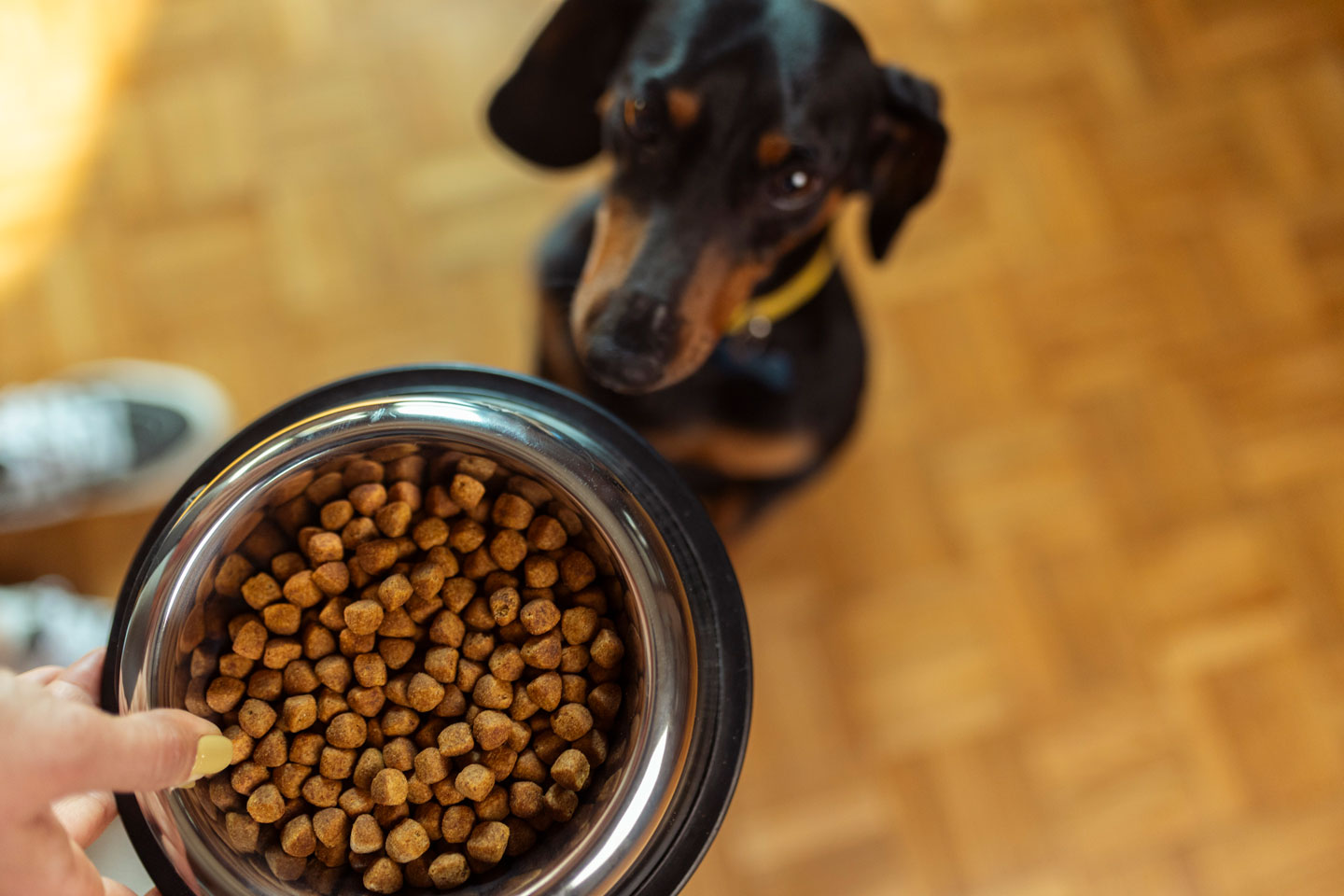 Researchers calculated the greenhouse gas emissions linked to making nearly 1,000 kinds of dog food. The one with the biggest eco-“pawprint” released a whopping 65 times more emissions than the “greenest” food. Some of the most climate-friendly options were dry foods without beef or lamb and that weren’t grain-free.Lajst/iStock/Getty Images Plus
One surprise: The dog food with the largest footprint produced a whopping 65 times the greenhouse-gas emissions of the food with the smallest footprint. (Compare this with foods that people eat. A high-meat diet produces 2.5 times the emissions of a plant-based diet.) Harvey’s team shared those findings this January in the Journal of Cleaner Production.
That means that with dog food, there “is a pretty big opportunity to make a difference,” Harvey reports.
Here are some tips. Choose dry food. Skip the lamb and beef. Don’t feed your dog human-grade meat or grain-free food. The extra meat in grain-free food isn’t needed for a dog’s health, Harvey says. Be careful not to overfeed, which Harvey notes is unhealthy for both your dog and the planet. And when choosing a new dog, consider a small one; they’ll eat less and have a smaller overall footprint.
Over time, peoples’ choices may lead breeders to produce more small dogs.
Poop patrol
With a pooch, it’s not just what goes in but also what comes out. Poop left outdoors can pollute the land and water, notes Emily Bryson. She’s an environmental scientist at Central Queensland University in Wayville, Australia. Nutrients in fresh poop can leach into water. And dog poop may also contain disease-causing germs or parasites.
Responsible dog owners pick up the pet wastes and throw it away. Making those bags spews climate-warming greenhouse gases, as does the decay of poop in landfills.
But Bryson has a solution.
“Dog poo, in itself, is a valuable resource,” she says. “It just needs to be treated to be made safe.” She studied how composting can transform nutrients in poop into forms that plants can use.
Most city-scale compost programs don’t allow dog poop, Bryson found. So she focused her research on home composting. Dog poop decomposes well, she found. Pathogens died and nutrients became available in a form plants can use as a fertilizer. In the end, the poop became valuable.
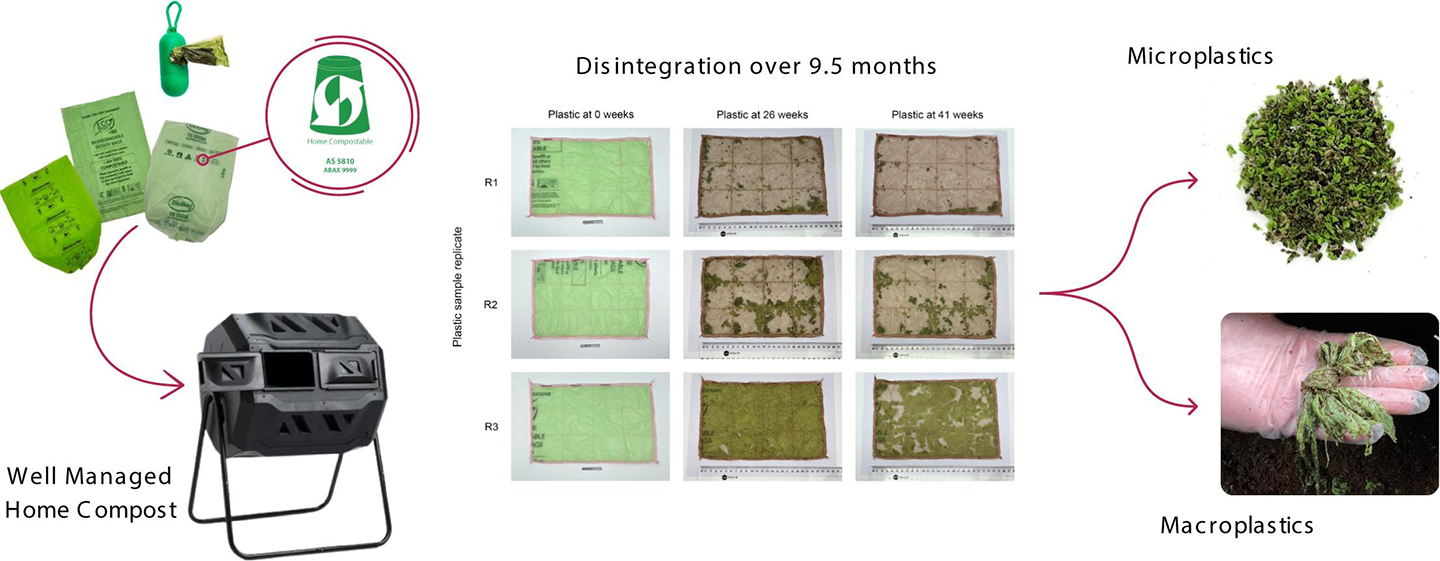 Researchers tested the breakdown of compostable bags for dog poop in home compost (left). Over 9.5 months, the bags did not fully degrade (middle). Instead, the bags broke down into a mass of polluting microplastics (right).Bryson et al/Waste Management 2026 (CC BY-NC-ND 4.0)
Getting dog poop into a compost container takes some creativity. Even compostable bags break down into microplastics, Bryson’s team found. And compostable bags are usually made from fossil fuel-based plastic. Instead of a bag, scoop poop with a tool straight into the bin. Or, Bryson suggests, put it into any paper product that will fully break down.
For instance, at some sites in New York City, people use newspaper to pick up and toss poo into a compost tumbler. The finished compost is used to fertilize park plantings.
Cat quandaries
Some 76 million pet cats live in the United States. As with dog food, dry cat foods — and those without beef and lamb — will be greener for the planet. Cats eat less than most dogs, so their diet’s carbon pawprint is smaller.
But cats have a bigger impact on other animals. Environmental scientist Loren Fardell tracked how outdoor cats affect wildlife. While working at the University of Sydney, Australia, her team set up infrared cameras in backyards and near open areas, such as parks. These cameras showed that wildlife avoided spots cats had visited that day and even the day before.
Why? Outdoor cats leave a trail of scents in their urine, feces and shed fur, Fardell explains. Smells of a potential predator can stress birds and small mammals. These creatures could end up traveling farther and staying more vigilant to survive.
Cats also kill — a lot! They kill up to 4 billion birds and 20 billion mammals each year in the United States. Globally, they’ve also been linked to the extinction of 63 species, including birds, reptiles and mammals.
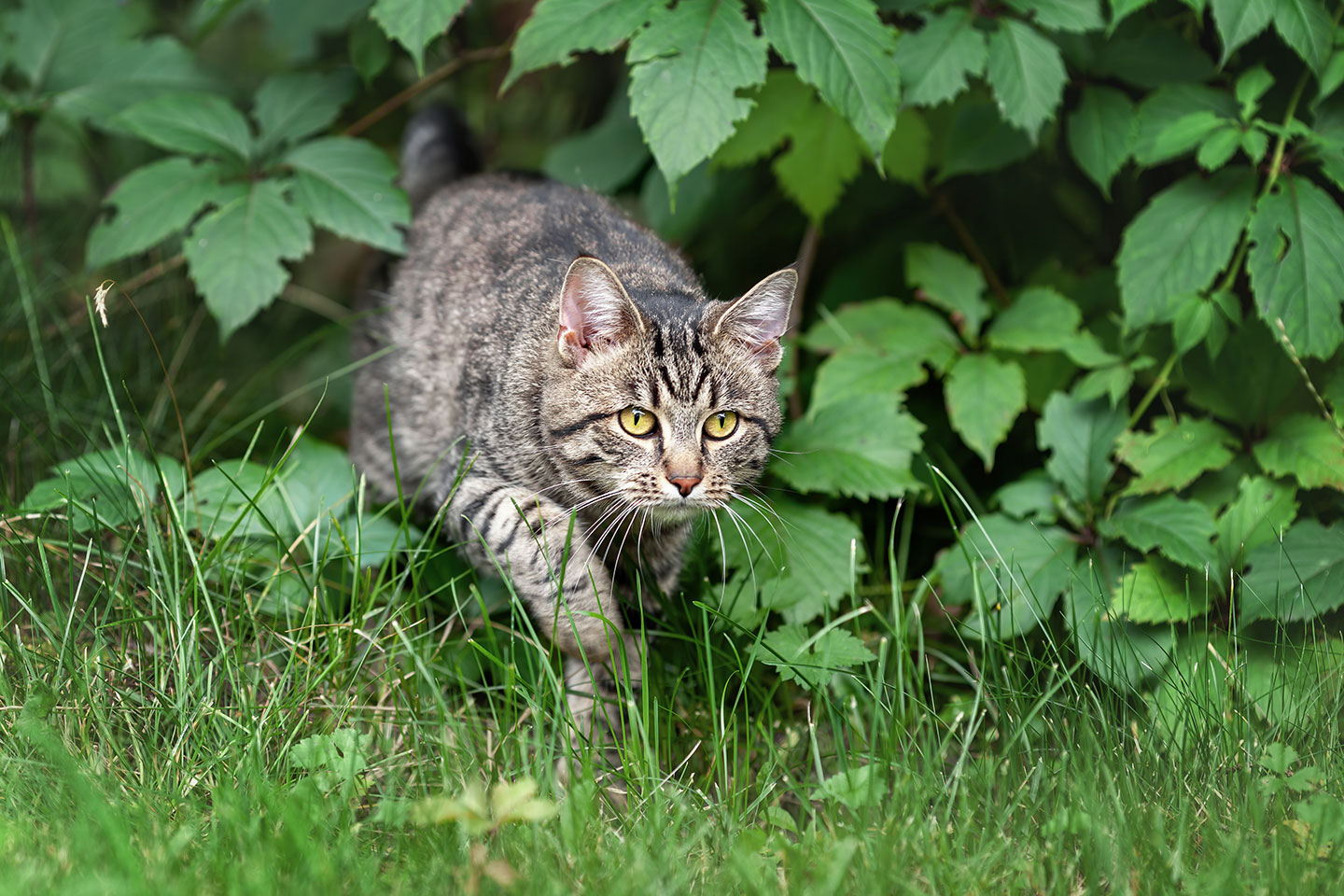 Even the smell of a cat can affect wildlife. The scent felines leave behind in backyards and parks stresses out birds and other animals, which can affect how effectively they get food or look for mates.Irina Nedikova/iStock/Getty Images Plus
Wildlife living near people already face stress from noise, lights, cars and habitat loss, Fardell points out. So it’s important to keep cats indoors, she says. Or, use fully enclosed outdoor cat runs. This also keeps cats safe from disease, predators, cars or getting lost.
Indoor kitties use litter boxes. Companies mine the absorbent clay used to make for kitty litter. This can destroy natural habitats. So researchers are looking to make litter more sustainable.
Scientists with the U.S. Department of Agriculture found discarded organic material, such as soybean hulls, were a good alternative to clay. And some companies sell kitty litter made from other natural products, such as discarded olive pits.
Never flush cat poop down the toilet. It can contain parasites that can survive wastewater treatment and later infect and kill wild animals, such as dolphins.
Caring for exotic critters
When Alice Hughes was a kid, she kept frogs, leopard geckos and a corn snake. Now she’s a zoologist at the University of Melbourne in Australia. Her research focuses on the impact of wild-caught pets, including reptiles.
Some 2.4 million U.S. households nurture pet reptiles. Their biggest impact will trace to whether they were wild caught or bred in captivity. Taking animals from the wild can weaken populations or even cause extinctions.
Hughes realized little effort had been made to track the impact of collecting wild animals for sale elsewhere. Laws to protect wildlife were largely set up for species known to be threatened with extinction, such as elephants and red pandas. Few laws existed to protect critters collected for sale as pets.
For example, Indonesia exports eight million Tokay geckos a year. Most come from the wild, Hughes says. “What is that doing to wild populations, not just geckos but all the other species in the food web?” No one knows, she says, “because we don’t have the data to monitor that [impact].”
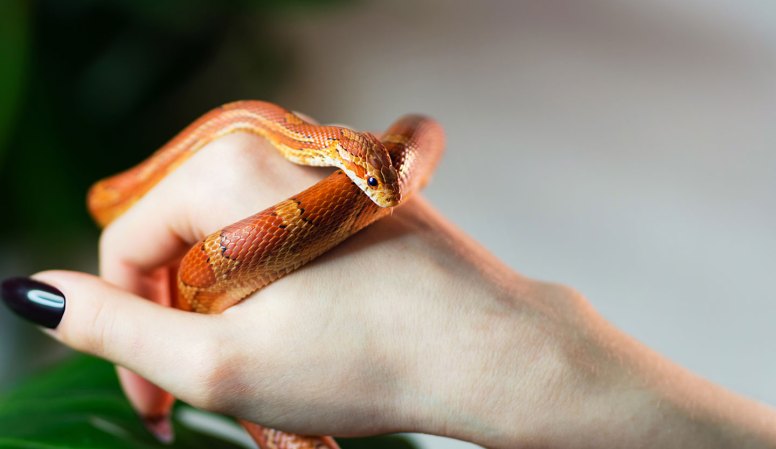 Some reptiles breed easily in captivity, such as this corn snake. Buying captive-bred reptiles won’t harm wild populations, which might suffer as people collect individuals for sale as pets.Vagengeym_Elena/iStock/Getty Images Plus
Collection of wild animals for sale as pets has already wiped out wild populations of several species, one 2023 study found. Another study found that when a species is captured for sale to pet owners, its populations in the wild can drop by up to 62 percent.
And this problem is only getting worse. Influencers showing off wild, or exotic, pets on TikTok and YouTube have made exotic reptile pets more popular, Hughes says. “Everyone sees that they’re cool. They don’t take up much space. And so,” she says, “you have this growing demand.”
Hughes found nearly half of all known species of reptiles are in the pet trade, most with no protection.
Another problem: Some people may change their mind and not want their exotic pets any more. If set free, the animals might harm local wildlife. This has happened with hundreds of species. Asian lionfish released from a U.S. aquarium, for instance, are now eating North American ocean dwellers. And pet Burmese pythons released in Florida are now gobbling up native wildlife, including opossums, bobcats and raccoons.
Do you have a science question? We can help!
Submit your question here, and we might answer it an upcoming issue of Science News Explores
Collectors gotta catch ‘em all
Just like reptiles and fish, amphibians face threats from collectors looking to sell them into the pet trade.
Amphibian populations are even more at risk than reptiles because they’re harder to keep alive during transport, says Hughes. Also, as collectors travel between sites they can spread diseases — such as the deadly chytrid fungus — to previously healthy populations.
Invertebrates are pretty clever, but are they conscious?
Even spiders are vulnerable. They’re “really popular pets,” says Hughes. “Videos of dancing, jumping spiders on [social media] have increased the demand for [them as pets].” Hughes found around 100 species being sold as pets that scientists had not yet described.
Some, such as tarantulas, have long lives and small ranges. This means that if a collector catches too many tarantulas from one area, the local population could go extinct. There’s a misconception that invertebrates breed rapidly and have short lives. That’s not true for all, she says.
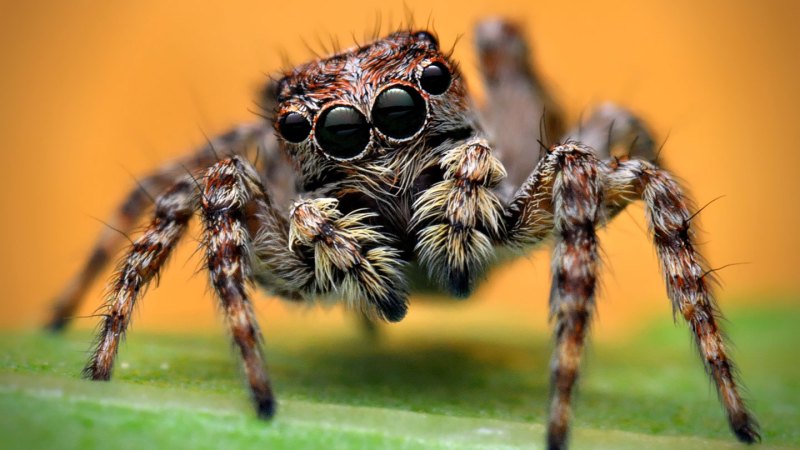 Social media posts featuring jumping spiders, such as this one, have popularized the arthropods as pets.xbn83/Moment/Getty Images Plus
Fish face many of the same problems. Even in countries with rules about reporting fish imports, no one really knows how many fish are coming in, Hughes notes. Importers may list “tropical fish,” which would not reveal whether they are transporting a highly endangered species, she says.
Collectors are not thinking about protecting species in the wild. They’re feeding “that Pokémon mentality,” says Hughes, “to catch them all.” She’s seen species of large jumping spiders and cave geckos enter the pet trade just months after first being described as a newfound species by scientists.
Finding fantastic beasts
Online pet stores make access to all sorts of creatures easy. Some animals there have been bred for the pet trade. But many others are hard to breed in captivity or are cheaper to collect from the wild. Stores often list these as “field collected.”
Sellers of field-collected species have no way to tell if their business harms native populations. That’s why “captive-bred animals are better,” Hughes says. Corn snakes and bearded dragons, for instance, breed easily in captivity. And sales of captive-bred animals won’t harm wild populations.
Another advantage: Captive-bred animals tend to have better temperaments, Hughes says, so you’re less likely to get bitten by them. They’re also less likely to have parasites or diseases, she says.
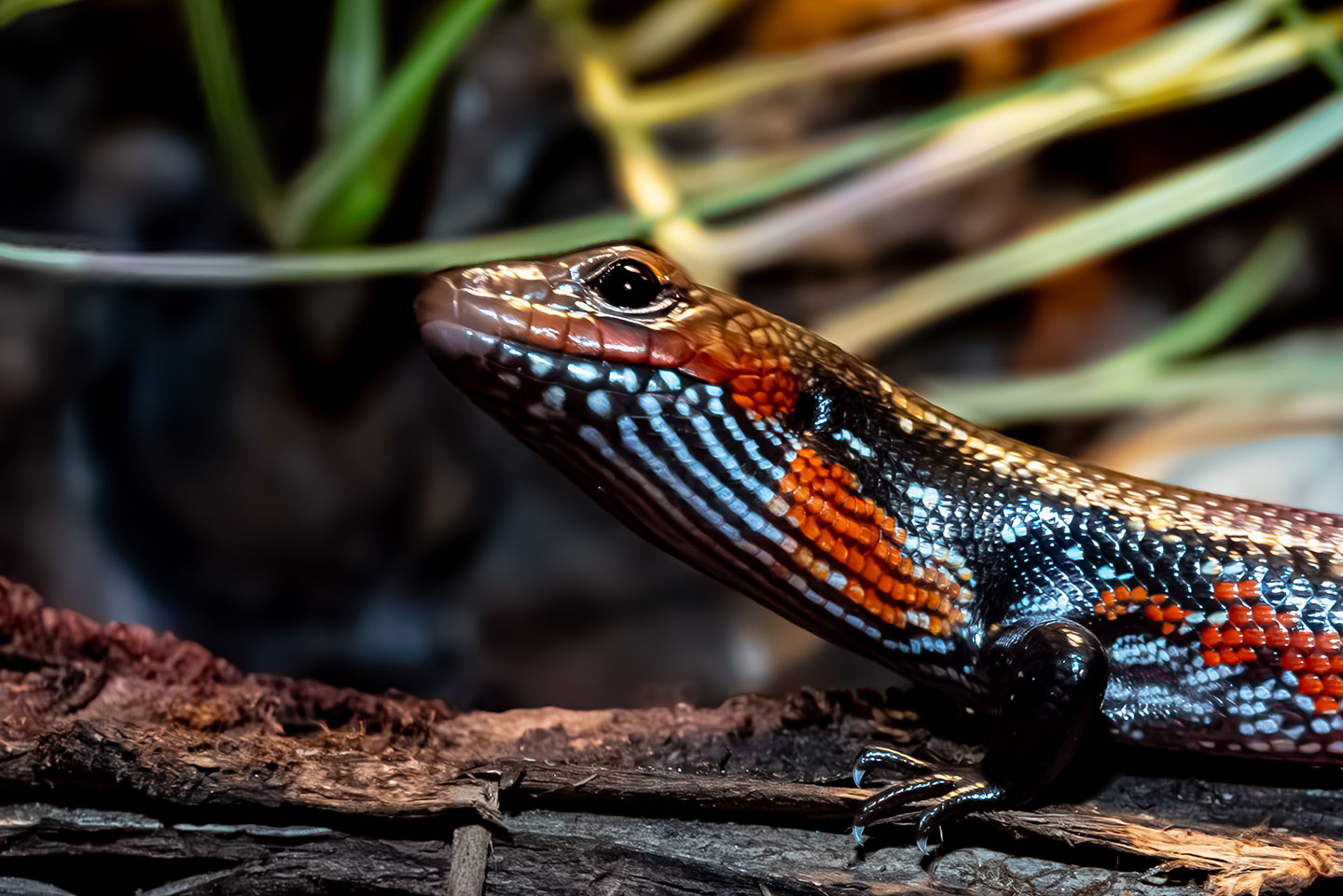 Species such as this beautiful African fire skink do not breed easily in captivity. So when sold as pets, they invariably had been collected in the wild. In general, wild collection can shrink local animal populations, which may even go extinct. This can harm the ecosystems the creatures had been part of. Allen Szykula/iStock/Getty Images Plus
A pet store should be able to tell you where animals were bred. And reputable breeders often provide some proof, such as photos of animal eggs on their websites.
Protections exist for some wild birds, Hughes says. Because of the fear of bird flu, there are stricter regulations for importing birds than for importing other creatures into the United States and Europe. This has reduced sales of wild birds.
Lots of other small creatures make good, eco-friendly pets. Pocket pets, such as rats, hamsters or gerbils, are easy to breed and have a tiny footprint on the planet. Over a million U.S. households keep such pets.
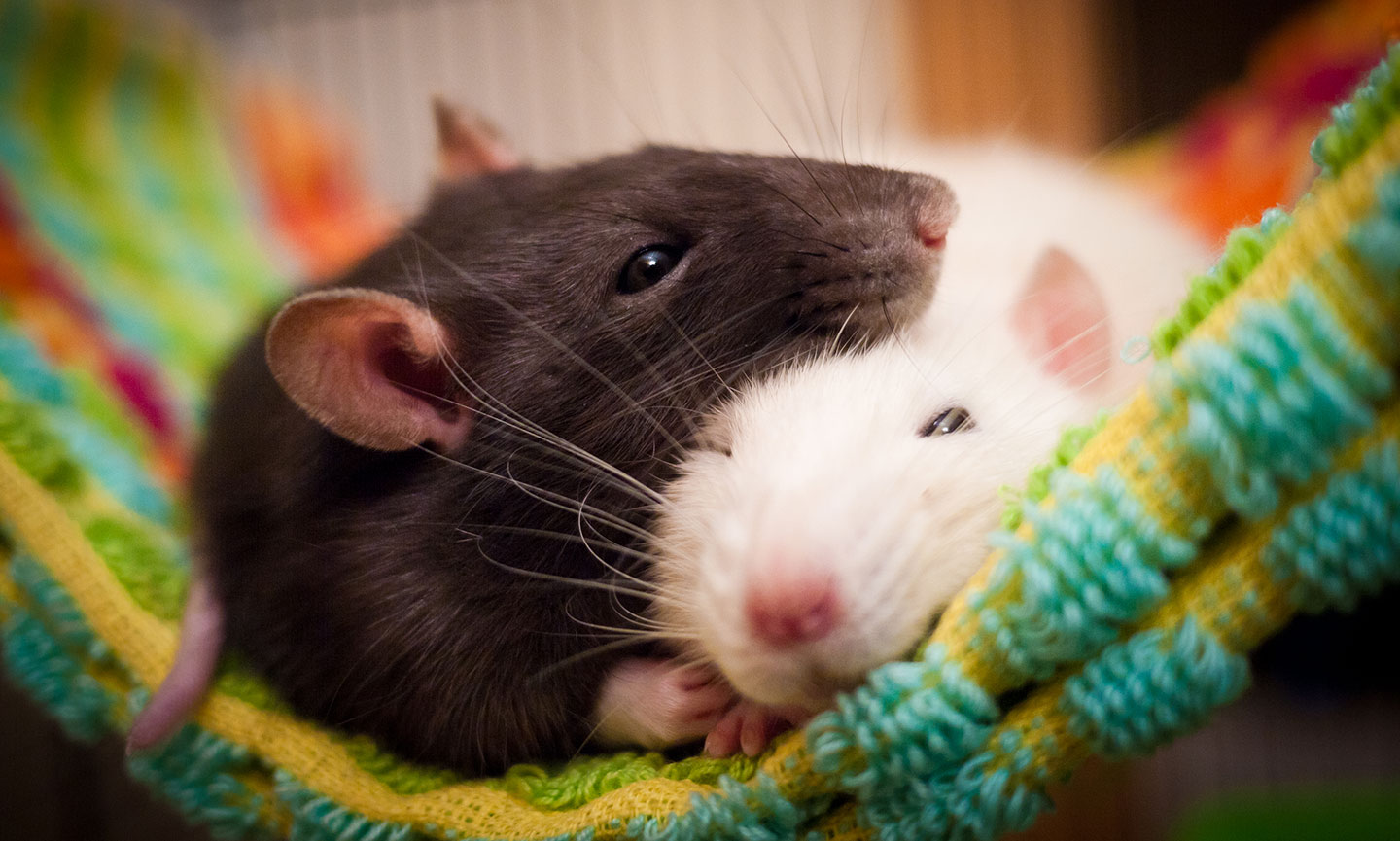 These two cuddly rats, like other pocket pets (including guinea pigs, hamsters or mice), eat a vegetarian diet and have a small eco-pawprint. Chris Scuffins/Moment/Collection Moment
Some people may enjoy a temporary pet borrowed from the outdoors. Yards and parks contain common insects and invertebrates that crawl, flit and fly.
Hughes recommends trying a pet caterpillar. You can tell what it eats based on where you find it. Take a few leaves inside and watch it spin a cocoon and undergo metamorphosis.
Slugs and snails can be fun too, but be sure to wash your hands after touching them, she advises. They can have parasites. Or set up your own worm farm and watch the critters burrow. All you need is a clear jar and soil.
Whatever pets you choose, remember to “treat them with respect. Don’t be rough with them,” Hughes says.
For Harvey, pets are really important. “They bring massive joy to a lot of people,” he says. Now, for the health of the planet, he hopes we find ways to make pet ownership more sustainable.




 Bengali (Bangladesh) ·
  English (United States) ·