
 2 hours ago
6
2 hours ago
6 
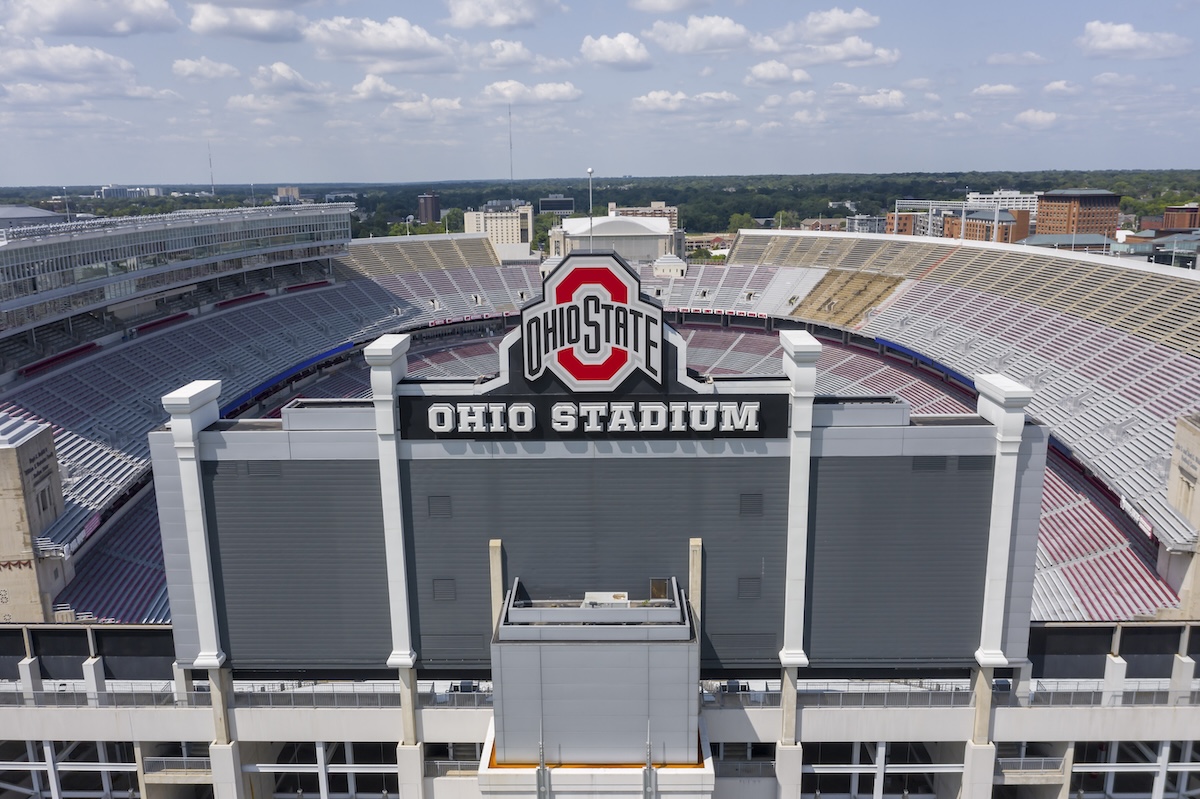
The country's two largest faculty unions are fighting three-year degrees as Massachusetts, Virginia and Ohio race to build them — even though the four-year norm was arbitrary to begin with.
The two largest faculty unions in the country are drawing a line against three-year bachelor's degrees, just as more states moves to make them real.
The American Association of University Professors (AAUP) and the American Federation of Teachers (AFT) issued a joint statement opposing accelerated degrees after Massachusetts approved its first pilot programs. The pushback lands the same week Virginia and Ohio announced a partnership to design their own shorter pathways.
It follows a trend of over 60 colleges and university systems working on building three year degree programs.
Would you like to save this?
Why It Matters
A bachelor's degree in the U.S. typically requires about 120 credit hours — a number with surprisingly arbitrary roots. The standard traces back to the Carnegie Unit, created in 1906 by the Carnegie Foundation, which tied college funding and faculty pensions to a fixed measure of seat time rather than actual learning. Within a few years nearly every American college had adopted it, and the 120-credit, four-year degree became the default.
That history matters because the four-year length was never sacred. In fact, the "original" liberal arts colleges, including Oxford and Cambridge, award most undergraduate degrees in three years. Much of Europe runs on a three-year bachelor's degrees.
The American four-year model is a convention we selected 100 years ago, not a law of learning.
The Details
Massachusetts' higher education board approved the state's first three-year programs at two private schools. Merrimack College is piloting 96-credit applied degrees in business administration, communications, criminal justice and psychology. Suffolk University is testing a 94-credit applied program in healthcare administration and innovation.
Virginia, working with Ohio, plans to build a blueprint for 90-credit degrees through an initiative called "Scaling College in 3," led by Jobs for the Future. Ten Ohio universities are participating, including Ohio State, Cleveland State and Ohio University.
The groups aim to propose two programs by spring 2028. Both states currently require at least 120 credit hours.
What They're Saying
In a joint statement, AAUP President Todd Wolfson and AFT President Randi Weingarten called the approvals a threat to academic integrity, arguing they substitute "a stripped-down curriculum that prioritizes speed over essential intellectual development" for a full education.
They argued the cuts target the wrong problem. "Compressing or reducing the curriculum threatens to narrow students' education at precisely the moment when society needs graduates with stronger critical thinking, communication skills, scientific literacy, and civic understanding," they said.
Instead of shorter degrees, the unions want expanded Pell Grants, TRIO and other financial aid programs to bring down cost.
Supporters counter that the math is hard to ignore. "Three-year degrees will make it more affordable for students to graduate and get the skills they need to succeed in today's workforce," Massachusetts Gov. Maura Healey said in a statement.
How This Connects
The idea of a three-year bachelors degree is becoming more and more popular. A March report from the American Association of Collegiate Registrars and Admissions Officers found at least 70 institutions offer three-year degrees or are weighing them, and The College Investor has tracked the count climbing toward 60 colleges actively pursuing them — including the California State University system, the nation's largest public system, across all 22 campuses.
Cutting a year can reduce total degree cost by roughly 25%, which at a school charging $30,000-plus a year can mean $30,000 or more in direct savings.
Continue to watch whether accreditors keep clearing programs and whether public flagships in Virginia and Ohio follow the private-school pilots. The U.S. Department of Education has already counted three-year degrees among its higher education "victories," signaling federal momentum that the faculty unions will keep fighting.
Don't Miss These Other Stories:
Editor: Colin Graves
The post Faculty Unions Oppose 3-Year Degrees As Massachusetts, Virginia And Ohio Push Ahead appeared first on The College Investor.





 Bengali (Bangladesh) ·
  English (United States) ·