
 5 days ago
3
5 days ago
3 
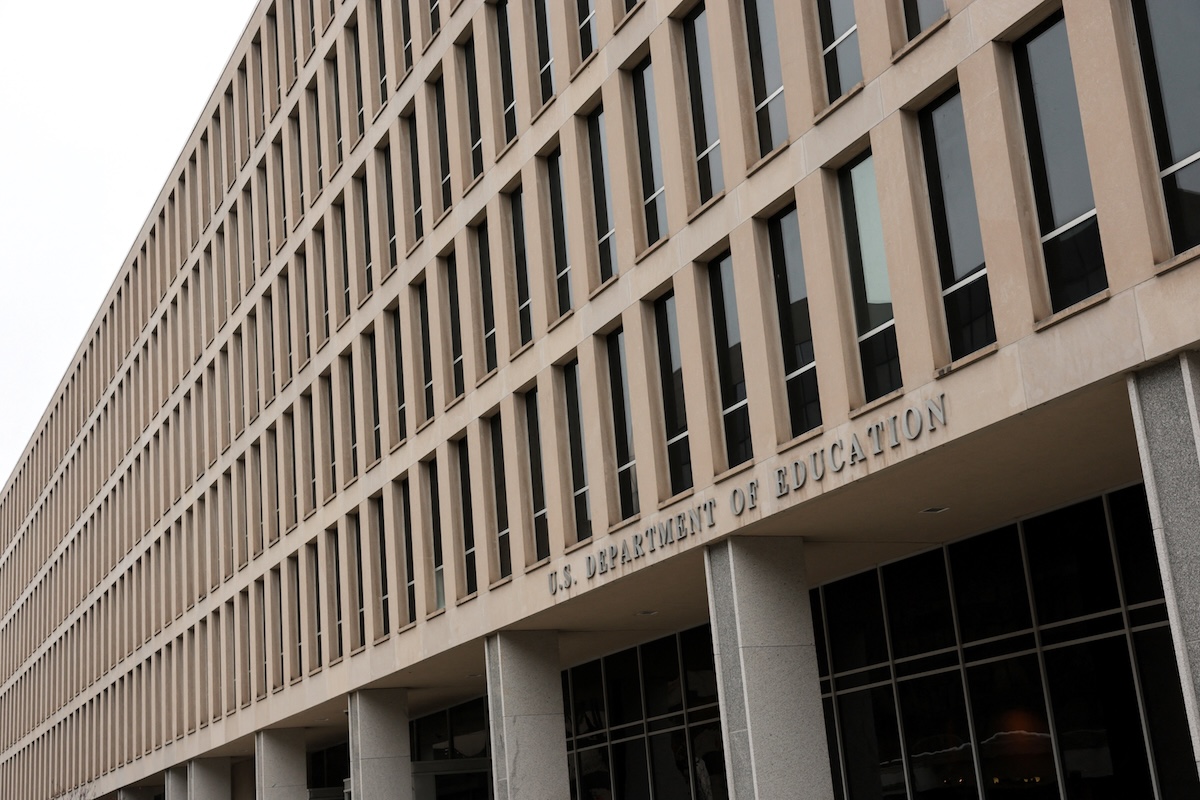
The Department of Education released a 24-question FAQ this week explaining how colleges must reduce annual federal student loan limits for students enrolled less than full-time.
The document spells out the Schedule of Reductions (the math behind the cuts required by the One Big Beautiful Bill Act) and answers questions financial aid offices have been asking since ED published the final rule on May 1, 2026.
The reductions apply to any loan period that begins on or after July 1, 2026.
Would you like to save this?
Why It Matters
Part-time students can no longer borrow the full annual loan amount, even at high-cost schools where they previously could. The Schedule of Reductions cuts a borrower's annual loan limit in direct proportion to enrollment intensity, rounded to the nearest whole percent.
The FAQ's one main example: a freshman enrolled in 12 credits against a 24-credit academic year gets 50% of the $5,500 limit, or $2,750.
That formula now applies to millions of borrowers as part of the changes that took effect July 1, 2026.
The Details
Who's covered: Every less-than-full-time borrower (undergraduate, graduate, and professional) including Grad PLUS borrowers who kept eligibility under the interim exception. Parent PLUS loans are exempt.Grad PLUS order of operations: Schools reduce the Direct Unsubsidized Loan first, then calculate the Grad PLUS limit from the remaining cost of attendance, then reduce that amount under the schedule as well.No double-prorating: Loans already prorated under existing rules (undergraduate programs with a remaining period shorter than an academic year) don't get a second reduction, since enrollment hours are already built into that calculation.Borrower requests: A student who asks for less than the reduced limit gets the lower amount. A student who asks for more is capped at the reduced limit.Systems: The Common Origination and Disbursement (COD) system now collects a disbursement-level Enrollment Intensity field, required for all new Direct Loan disbursements starting with the 2026-27 award year.How This Connects
The Schedule of Reductions is one piece of OBBBA's borrowing overhaul, which also ends new Grad PLUS loans, sets a $257,500 lifetime borrowing cap that includes prior Grad PLUS balances, and caps graduate borrowing at levels that could nearly double private student loan volume.
The new graduate borrowing limits are also being challenged in court, with 23 states suing over the graduate loan caps. However, there's no similar challenge for the undergraduate limits.
ED says it will update the FAQ periodically, marking new answers as "NEW," and is posting resources on its OBBBA information page.
Watch for more worked examples (the document includes just one full calculation) and for how schools apply the rules to spring 2027 disbursements as the multi-year rollout of federal loan changes continues.
Don't Miss These Other Stories:
Editor: Colin Graves
The post Department Of Education Releases Rules For Cutting Part-Time Students’ Loan Limits appeared first on The College Investor.





 Bengali (Bangladesh) ·
  English (United States) ·