

You certainly can't accuse Remedy Entertainment of playing it safe and sticking to what they know.
2019's Control was a third-person shooter, last year's multiplayer spin-off, FBC: Firebreak, was a first-person shooter, and now this year's direct follow-up, Control Resonant, is a melee-focused action game. Despite the genre flip, though, it's undeniably Control — a freaky sci-fi horror mash-up that's dripping with atmosphere.
We played 40 minutes of Control Resonant at Summer Games Fest, and spoke with lead level designer Anne-Marie Grönroos about the new enemy designs, architecture, and sci-fi influences. Here's what we learned about one of this year's most anticipated upcoming sci-fi games.
"Control Resonant" has a new protagonist, but we're keeping things in the family as we take the reins of Dylan Faden, troubled brother of "Control" protagonist Jesse. Dylan Faden wakes up inside the Oldest House — a paranormal, space-defying skyscraper in the center of New York that acts as the headquarters for the Federal Bureau of Control (FBC).
Jesse promptly stabs Dylan, who wakes up surrounded by blood, death, and the massacred bodies of his FBC jailers. With no idea what's going on, Dylan flees the FBC to find that the Hiss — otherworldly crimson monsters from another dimension — have overrun Manhattan.
(Image credit: Remedy)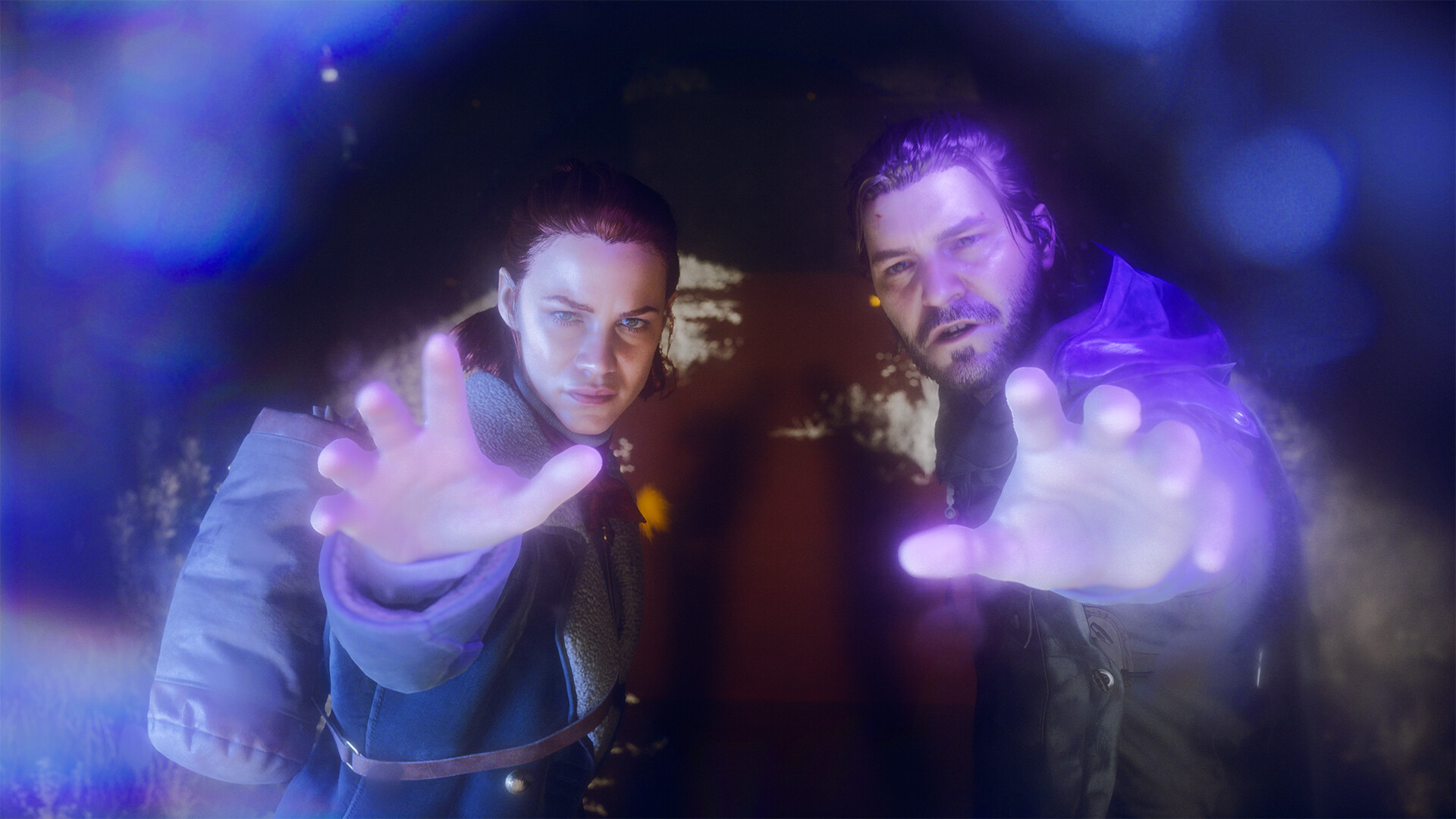
To fight these monsters, Dylan wields a unique weapon called the Aberrant (which just so happens to be the bar that Jesse stabbed him with). Much like Jesse's Service Weapon in the original, Aberrant can morph into multiple kinds of weapons, such as dual swords, an axe, and a scythe.
As a third-person action game (or spectacle fighter), Control Resonant feels like a toned-down version of Devil May Cry. It's just a bit slower and a bit more reserved, but it's still exhilarating to pull off combos and beat the snot out of the Hiss.
Combat is usually locked into arenas, locking you into an encounter until you've killed the Hiss. Larger enemies need to be prioritised, as the smaller Hiss will keep respawning until they're destroyed.
(Image credit: Remedy)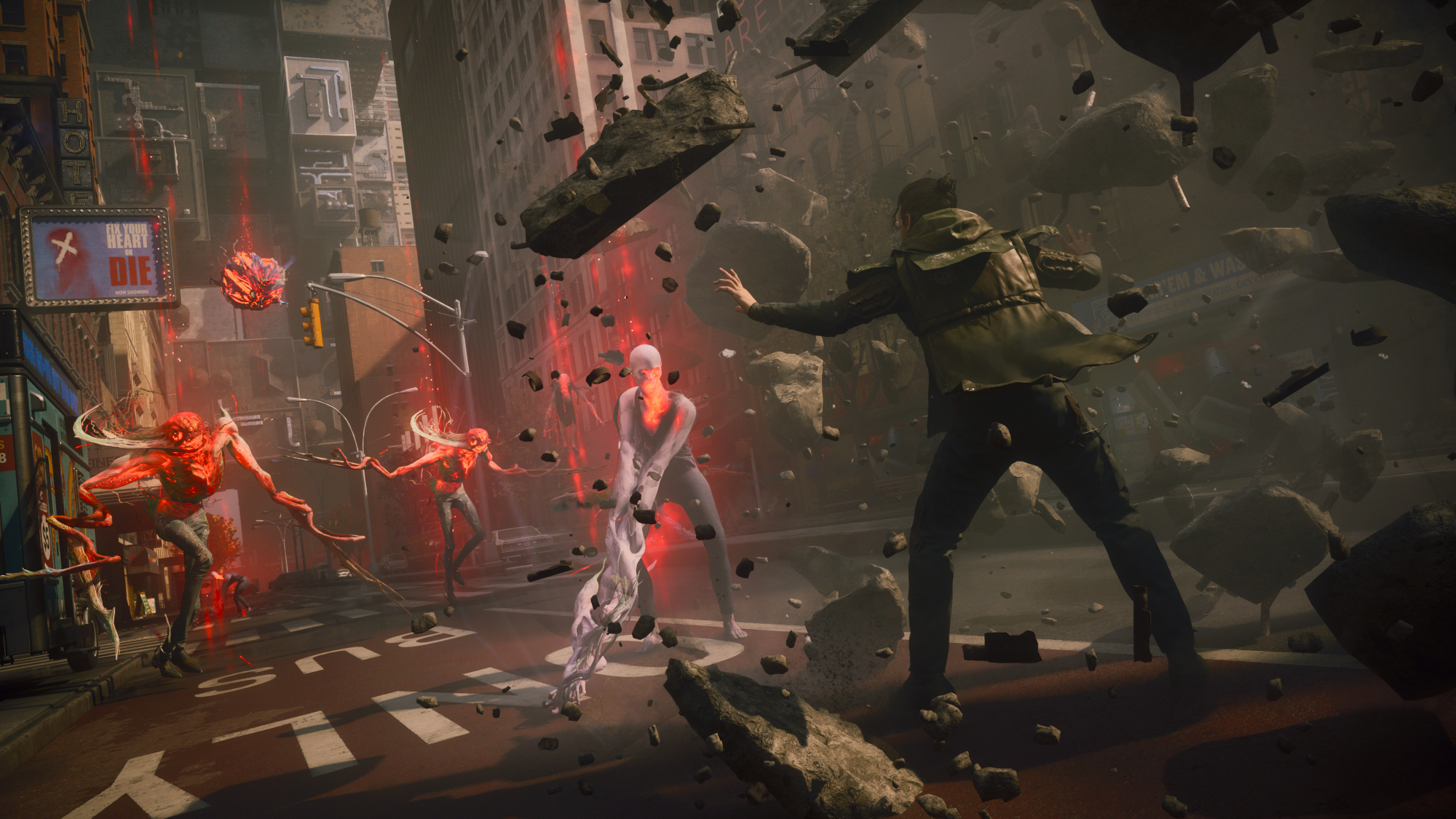
The Hiss are even more grotesque than I remembered from the first game; an observation that Grönroos was happy to confirm. "The enemies are a lot more mutated than they were in the first game," he notes. “They aren't just dudes shooting guns at you. A lot less human and more monstrous."
While Jesse was confined to the Oldest House, Dylan now has the freedom to roam Manhattan to find his sister. The first game's aesthetic was defined by the Brutalist architecture of FBC's surreal headquarters, and while you’ll certainly see that style here in place, Resonant pulls from a much wider pool.
"The further away you get from either the Oldest house or the Field Office, the less and less of that you'll see," explains Grönroos. "But when you see Brutalist architecture, that's also a sign that the FBC has a pretty strong presence here."
(Image credit: Remedy)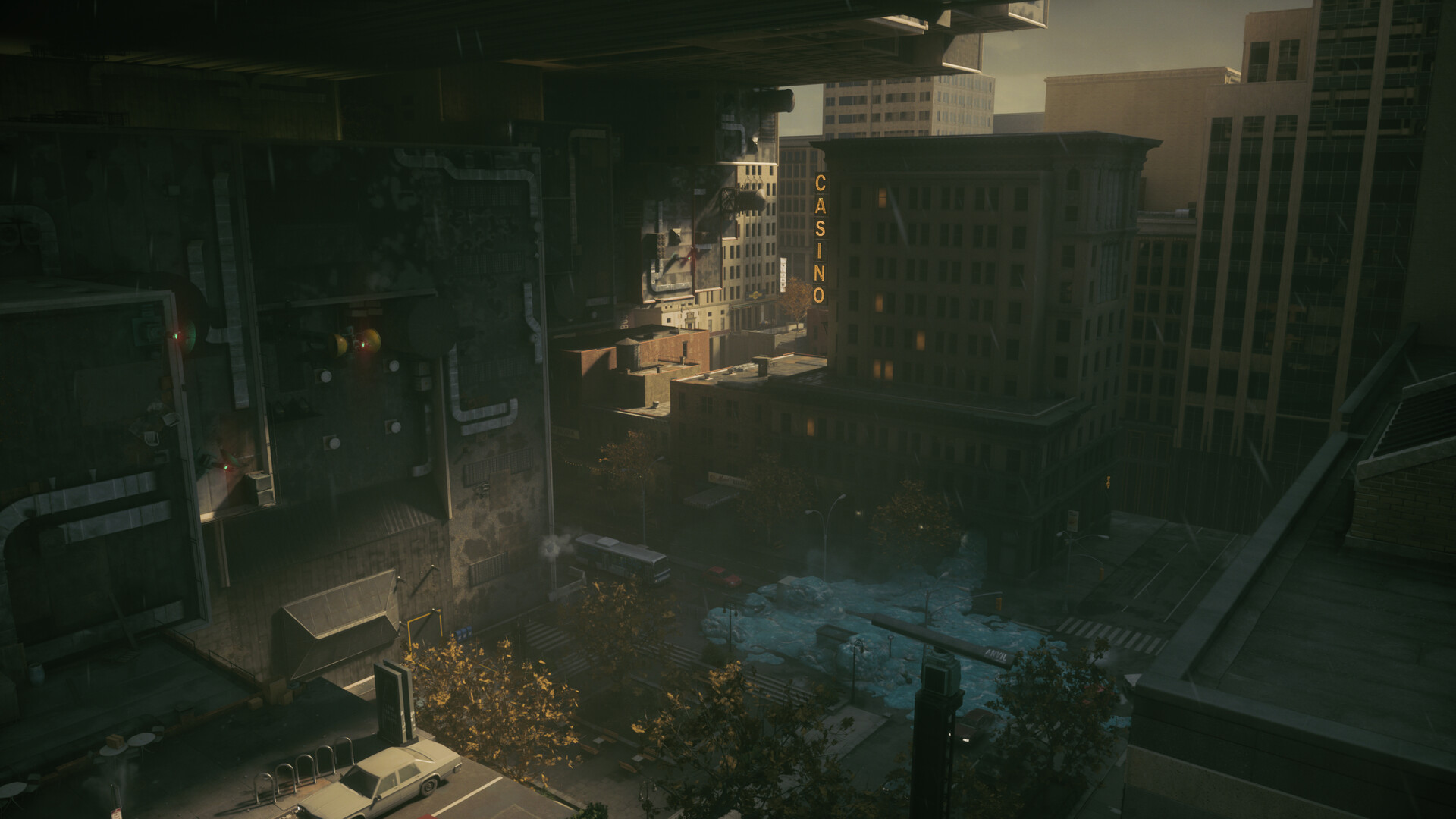
Manhattan has been well explored in video games — from Insomniac's Spider-Man and Tom Clancy's The Division through to "inspired by" titles like GTA IV — but Control Resonant's version of New York is a much more self-contained, streamlined version of the city that never sleeps.
Instead of an open world, we get a more linear platforming experience as Dylan navigates the rooftops like platforms, climbing, dashing, and double-jumping his way through the twisted landscape. This, combined with the psychedelic colors and trippy atmosphere, creates a uniquely surreal vibe that we really dig.
The Control universe is rife with sci-fi influences, with the fictional SCP Foundation sitting at the heart. The FBC investigates Altered World Events, where supernatural forces descend into reality and warp it. These lead directly to the creation of Altered Items, which are just objects infused with paranormal powers. It's all dressed up in a sort of 60s and 70s retrofuturism aesthetic, reflecting the space age and rise of media like Star Wars.
(Image credit: Remedy)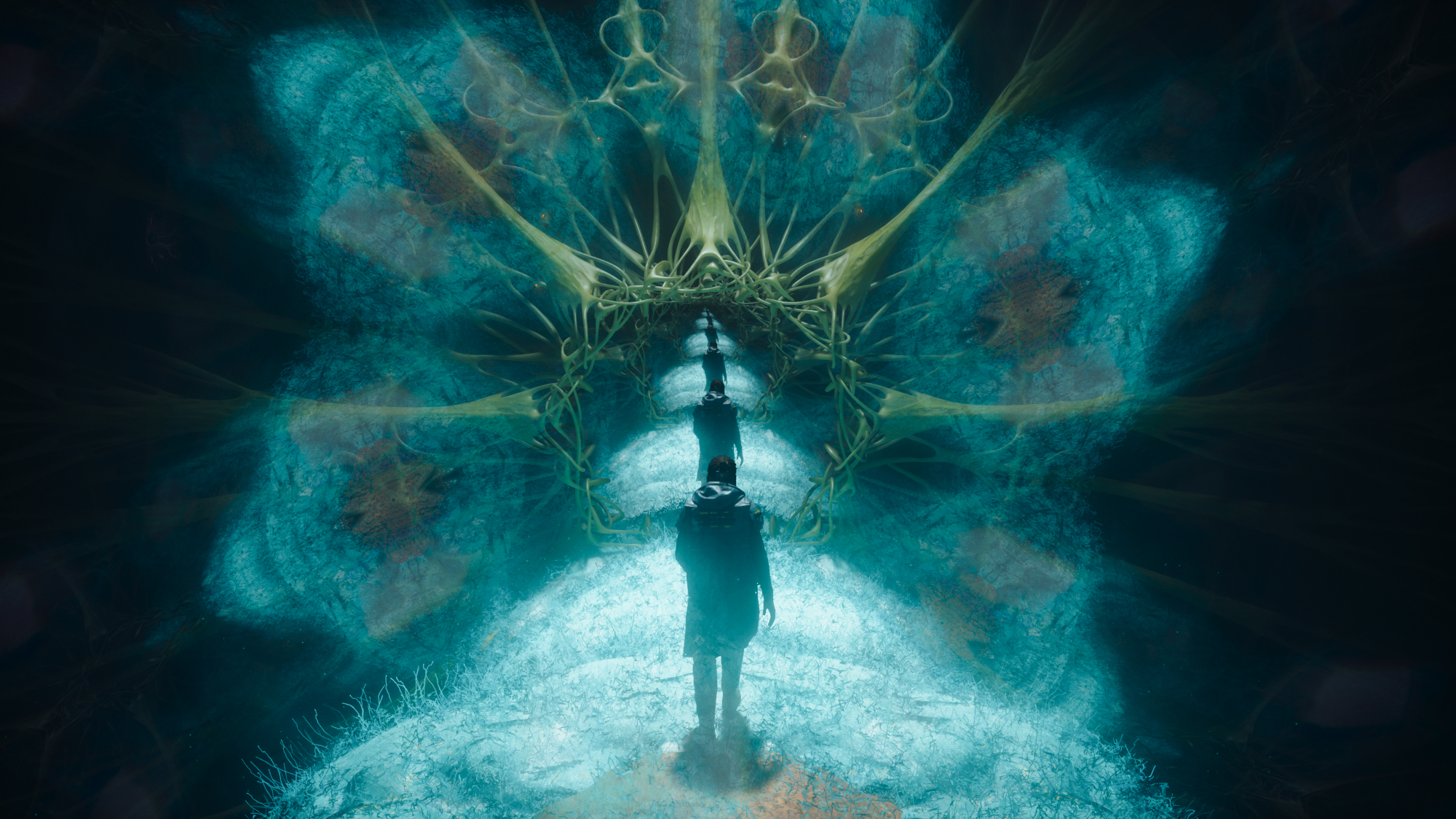
Beyond those obvious touchstones, though, there are surprising influences for this latest game. During our interview, Director Mikael Kasurinen mentioned Neon Genesis Evangelion as an influence for Control Resonant, with Grönroos adding that it heavily impacted the geometrical patterning in the game. "We also always have Inception as a reference. When you look at the city environments, this is the most Inception that we can get."
My demo ended with me facing off in a boss fight against a giant floating head with its jaw missing. Throughout the fight, it kept trying to sling rocks at me while keeping its distance, but I was able to keep up with its pace. Eventually, I managed to take it down, and then was taken to The Gap, a mysterious hub area where Dylan could upgrade his abilities.
He has plenty of upgrades to choose from, such as being able to telekinetically throw rocks, use them to form a shield, or conjure up this Aberrant into other weapons like a whip and hammer. I took a quick peek at each of the weapons and skill trees, and it seems like the combo system will definitely get more intricate later on.
(Image credit: Remedy)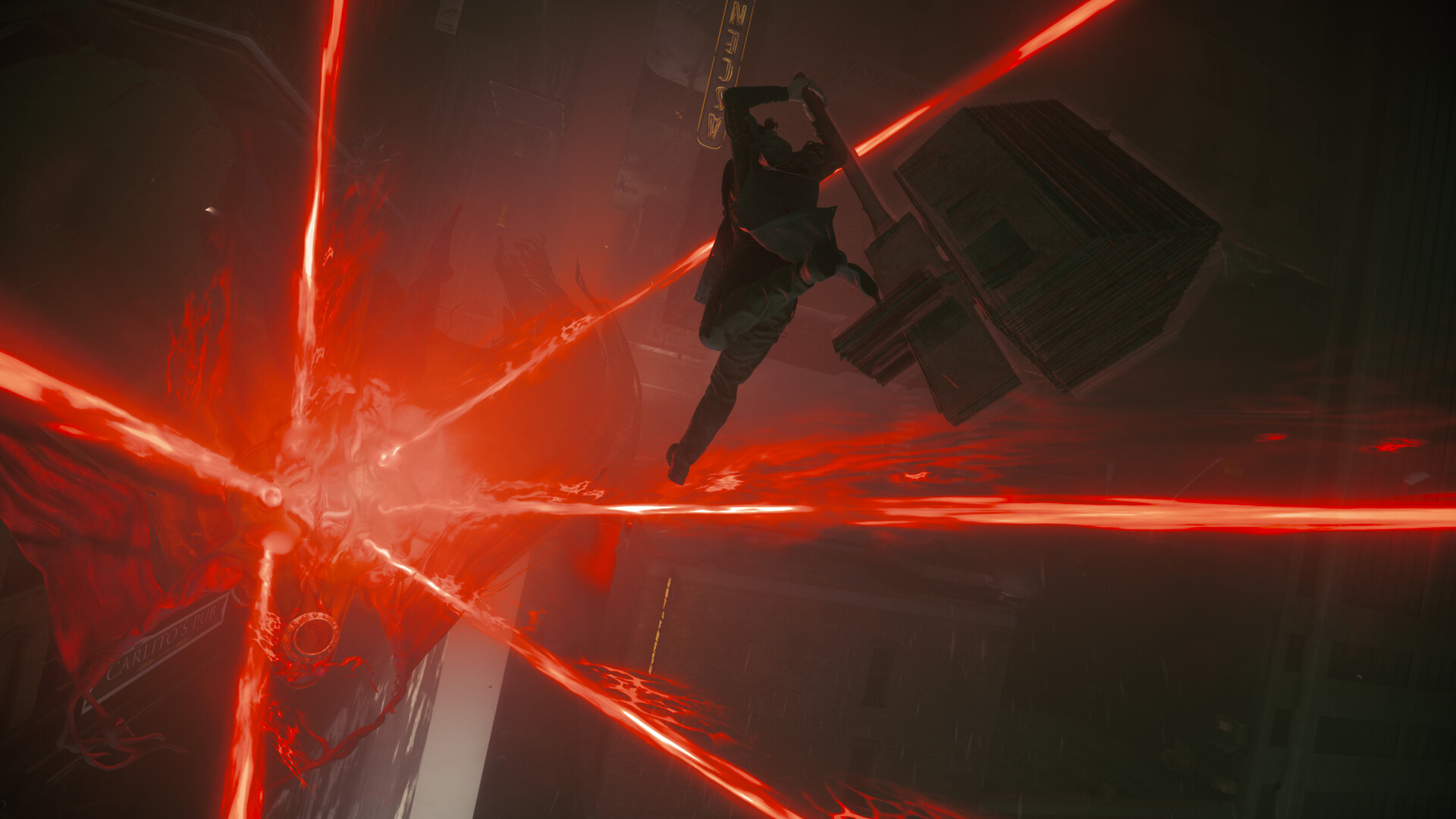
There's a huge amount of variety in how to mix and match different weapons to dictate the pace and flow of battle. You can start your combo with a flurry of quick attacks from dual swords, and then come crashing down with a slow but mighty hammer at the end.
The action feels so different from the gunplay of the first game, and yet eerily familiar. Control Resonant also takes a page from Kingdom Hearts' playbook with flashy finishers. Dylan has access to a variety of them, our favorite being using the giant hammer to smash the Hiss into pieces.
Grönroos said that the biggest lesson that Remedy learned throughout developing its recent games, from Control, Alan Wake 2, FBC: Firebreak, and now Control, is giving players more freedom and agency. "Before Control, we used to just make these linear games," she explained. "Control was actually our first game where you could even backtrack, and Alan Wake 2 took that a little bit further, and now Control Resonant as well."
(Image credit: Remedy)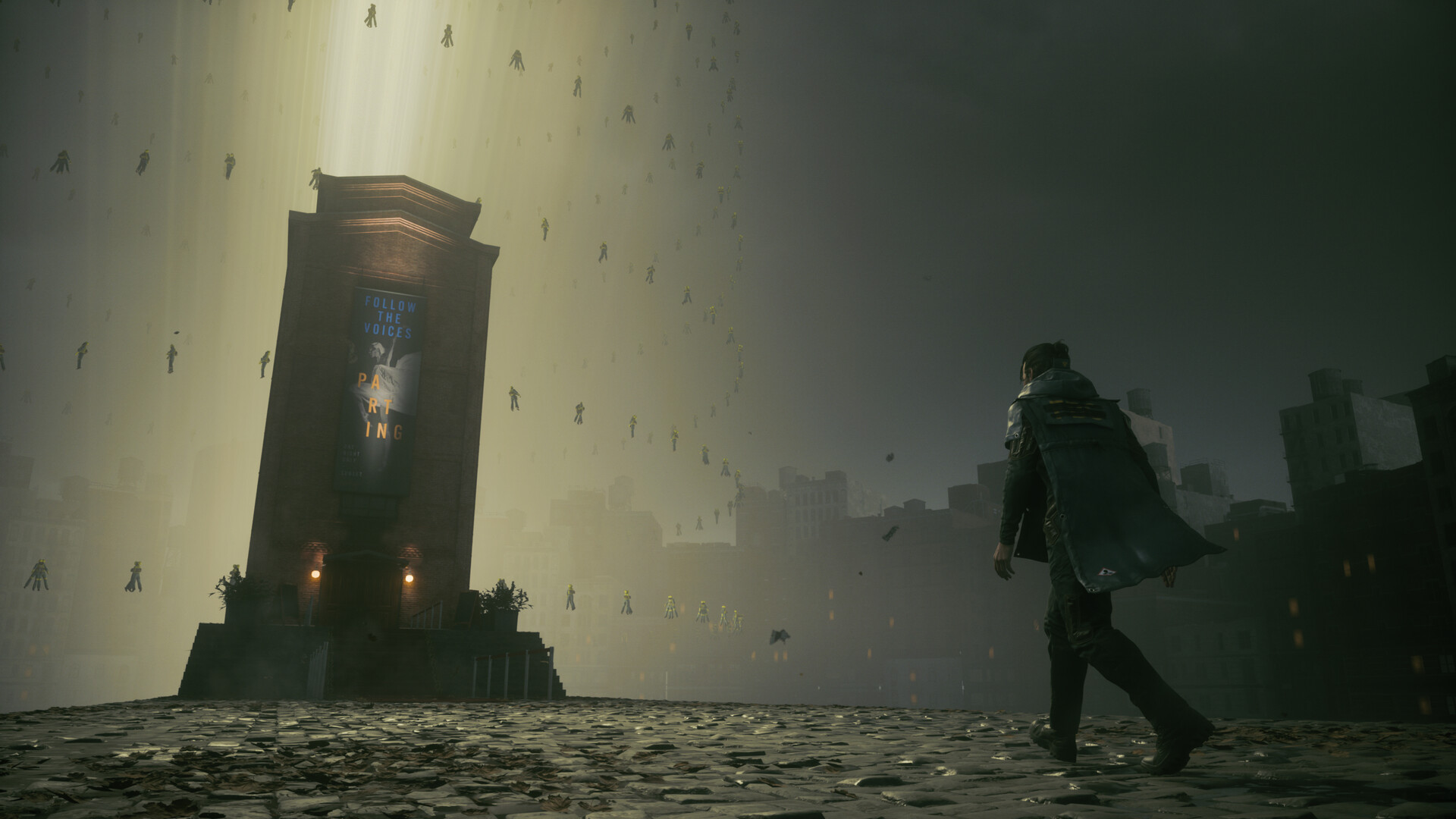
One of the highlights of the first Control game was the Ashtray Maze, a level where players had to fight against waves of enemies as they ran through a kaleidoscope of constantly shifting rooms and layouts. It was an adrenaline-fueled combat gauntlet that was equally exciting as it was fantastical. Grönroos was one of the minds behind designing it.
Can we expect something similar in Control Resonant? "There are definitely surprises," teases Grönroos. "Of course, I can't say what they are, but I think what made the Ashtray Maze really work was how unexpected it was. So I think there's stuff like in Control Resonant that's like that for sure."
Control Resonant launches on September 24 for PC, PS5, and Xbox Series X|S.




 Bengali (Bangladesh) ·
  English (United States) ·