

I have been dreaming of doing research in space as an astronaut my whole life, but for some reason, the thought of working underwater made me nervous. I’ve known for a long time that astronauts train underwater to simulate different scenarios they’re likely to experience in space. Diving was never an issue for me, either — I even made it as far as becoming a certified rescue diver. So what was the problem?
This summer, I led a simulated space mission in an underwater habitat called the Jules’ Undersea Lab. It is a research station that is located 22 feet (6.7 meters) underwater near Key Largo, Florida. You have to scuba dive to get in and out of the station. To become an aquanaut, you have to stay underwater for at least 24 hours in a so-called state of saturation.
I had been preparing for many years for this aquanaut experience, both as a scientist and as an analog astronaut. An analog astronaut is someone who takes part in a simulated space mission, where they live and work in conditions similar to those that astronauts on the International Space Station (ISS) experience today, or will one day experience on the moon and Mars.
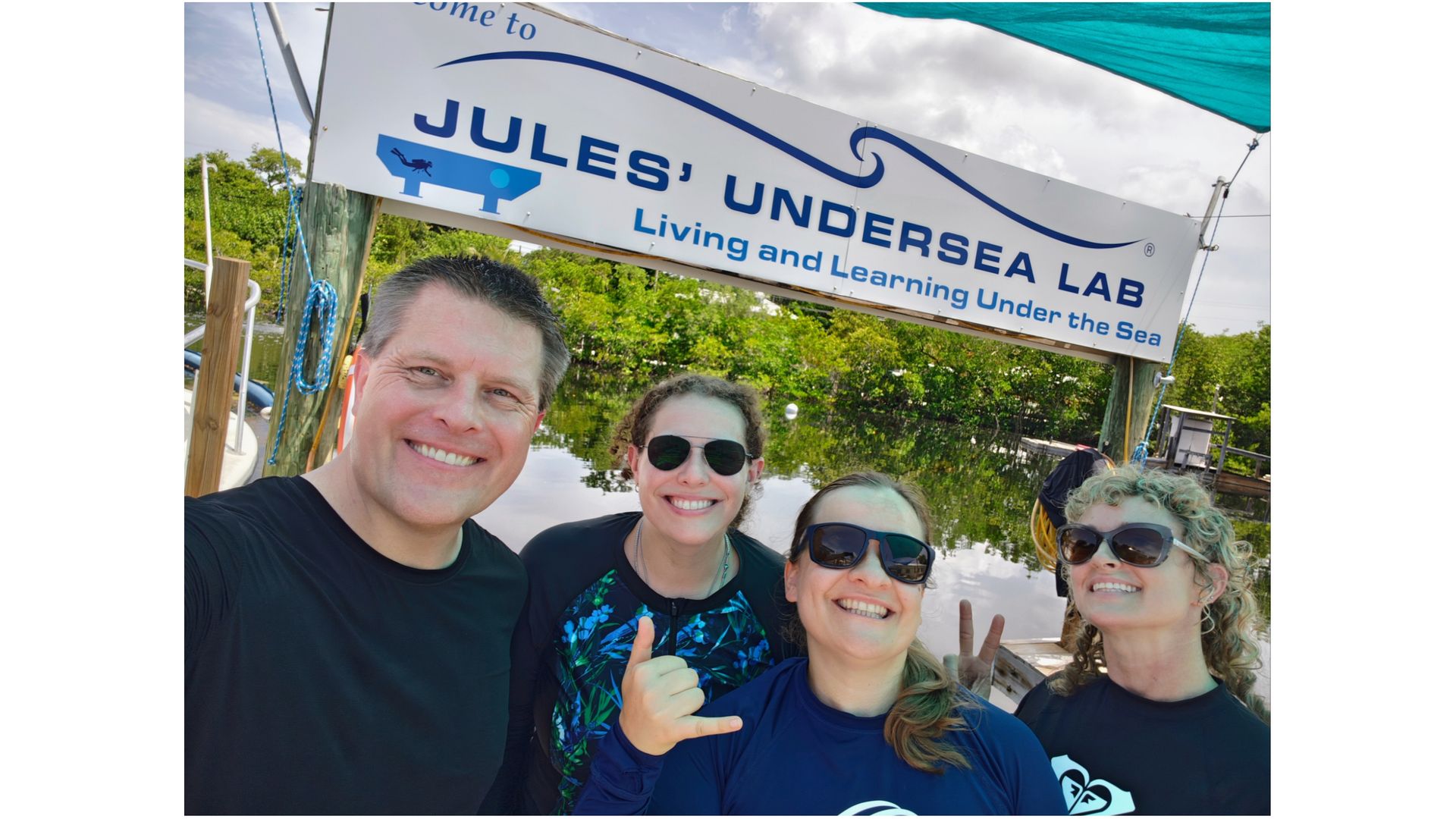
I’m no stranger to simulated space missions, either; I have been the Commander of almost 40 such missions in different facilities around the world. Almost all of those missions were on land, though, which made them substantially safer than a mission underwater. The risks of something going wrong during a simulated spacewalk or even during basic maintenance activities underwater are significantly higher than during standard analog missions on land.
Despite knowing all of that, a mission underwater was something I definitely wanted to experience to improve my skills as a leader, researcher and diver. However, the closer I got to the start of the mission, the more worried I became. My brain went through all the terrible scenarios that could occur during the mission while I was preparing for it — from someone’s gear malfunctioning during a spacewalk underwater to storms forcing us to evacuate in the middle of the night. Perhaps I still had some trauma from watching "The Abyss" by James Cameron as a child 😉.
Our mission was symbolically called SEA STAR, and I spent over a year organizing it. It took some time to get the right team and research projects together, as well as the necessary funding. My goal was to lead a mission simulating what astronauts go through on the ISS, both in terms of the diverse projects they work on and the challenges they face living in space. Only for us the deadly environment surrounding us wasn’t space, but water.
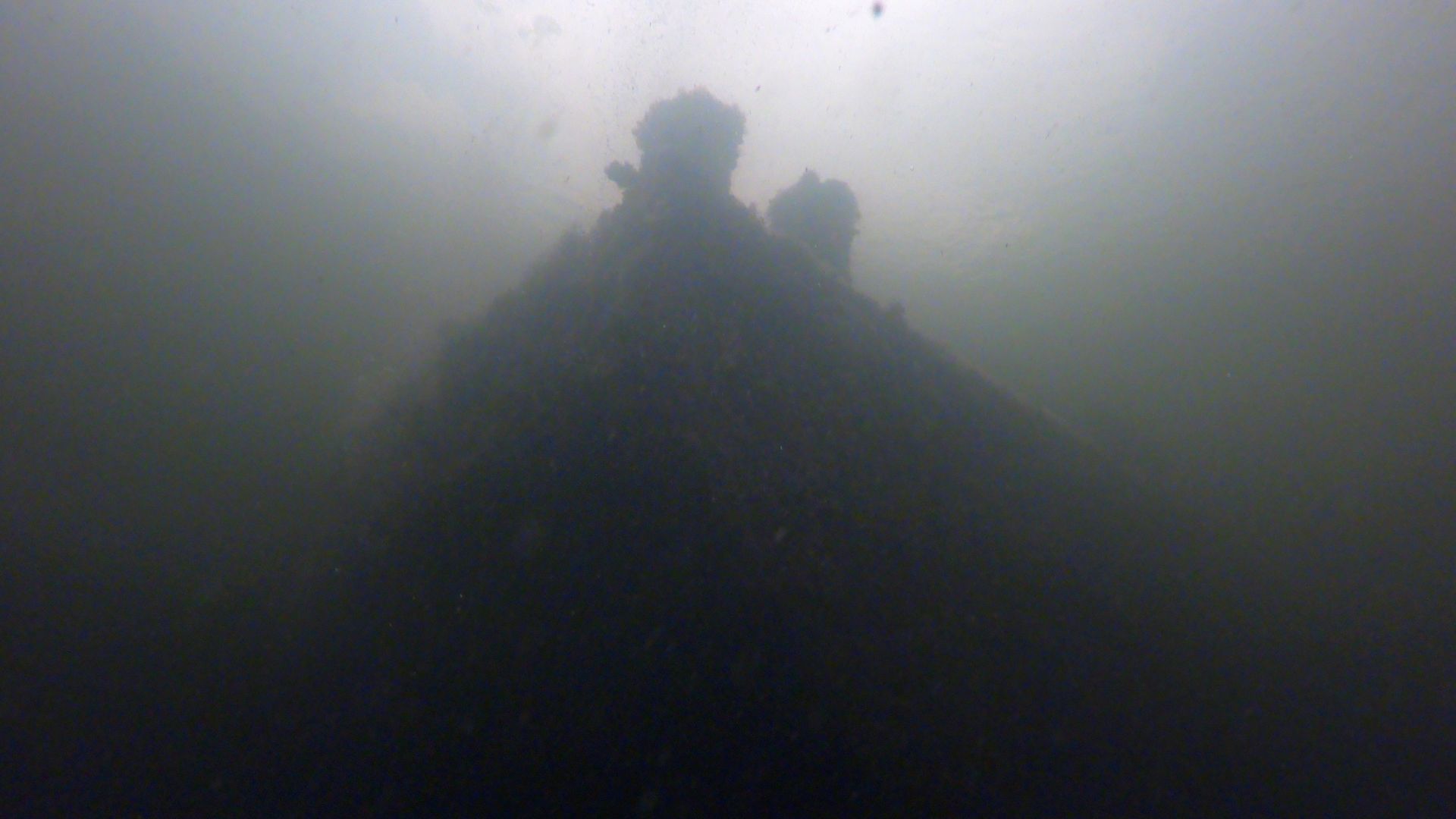
Since the health and safety of the crew is at higher risk during underwater missions, the team has to adhere to more strict procedures than they would need to during a simulated space mission on land. That, in turn, makes the mission feel more similar to an astronaut’s mission in space. The underwater environment also allowed us to perform neutral buoyancy experiments during simulated spacewalks, as well as scientific research focused on the effects of high atmospheric pressures on humans.
Our SEA STAR crew was composed of experienced analog astronauts and divers. Paul Bakken, an experimental engineer, was our Executive Officer responsible for most of the mission’s logistics. The Health and Safety Officer was Dr. Brandy Nunez, who performed microgreens research on top of overseeing the wellbeing of the crew. Our team’s Mission Specialist was Jenn Pint, who is an industrial safety expert. She was in charge of a project focused on developing a taxonomy for analyzing environmental and crew interaction factors in a space analog environment, in collaboration with Interstellar Performance Labs.
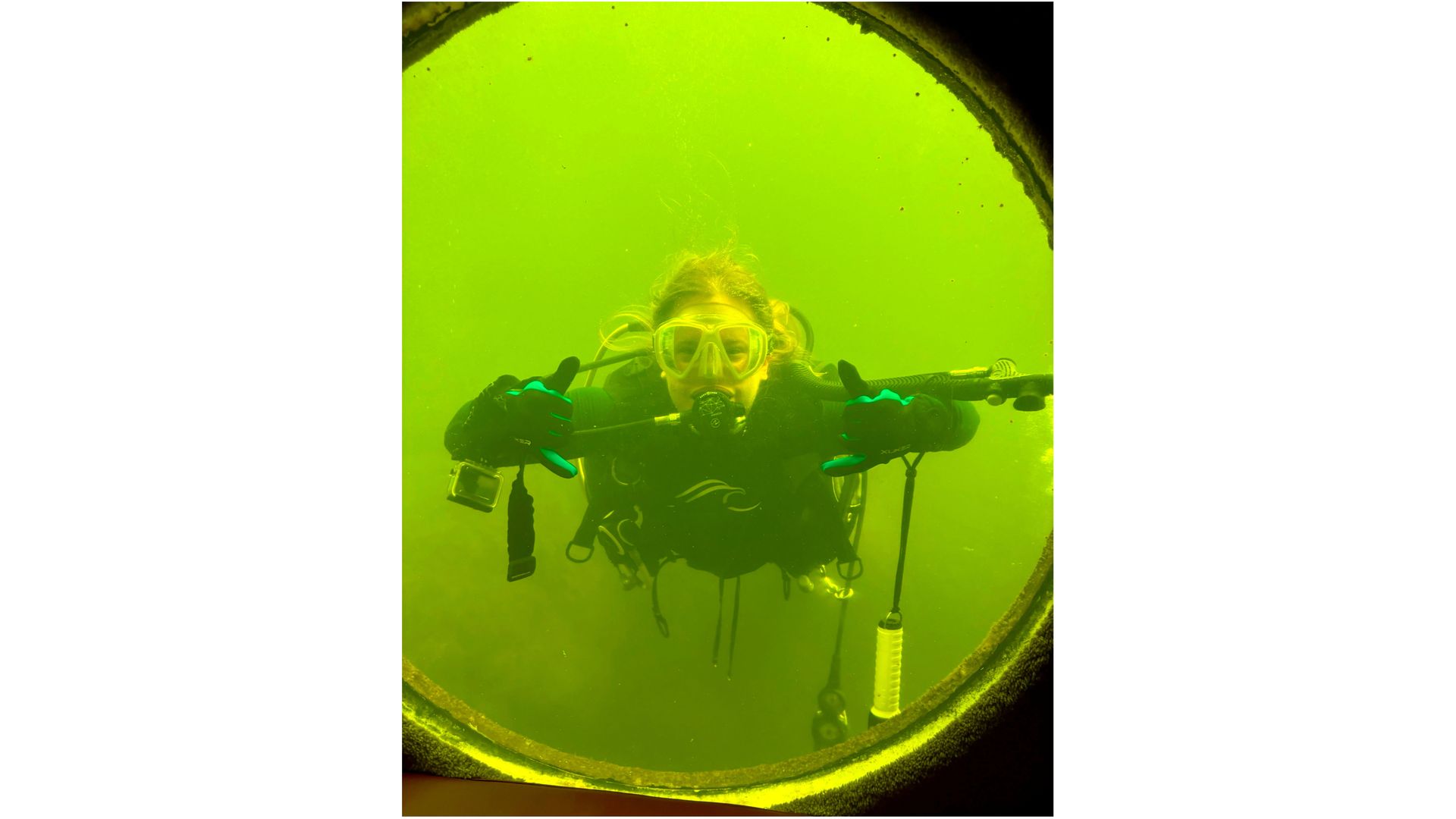
As the Commander of the crew, my main responsibilities were to make sure the crew was safe, in good health and spirits, getting along well and on top of their work. I worked with Paul to plan the mission’s schedule and to tweak it as needed — for instance, when we faced unexpected problems or some things were taking longer than planned. I also brought several research and educational projects with me on the mission, which I performed on top of my Commander duties.
Even though I was a bit concerned about the risks of the aquanaut mission before it started, I trusted my crew. I knew that we would find a way to problem-solve and face the challenges that would come our way, just like astronauts do in space. I was also looking forward to all of the interesting experiments that we had planned for the mission, which ranged from cognitive research under pressure to testing environmental student sensors.
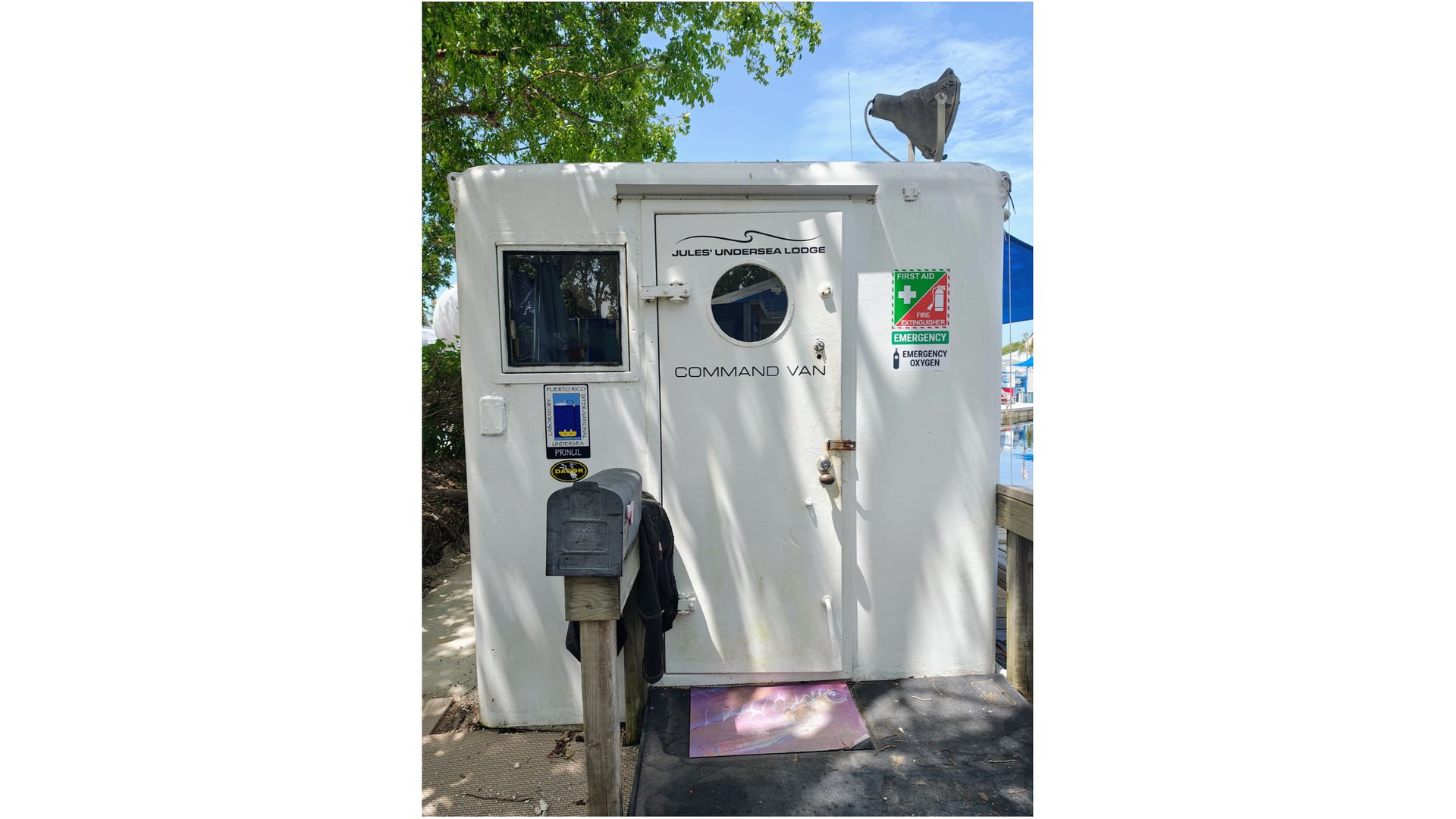
In the end, I mostly had to trust myself that I had what it takes to not only perform this mission, but also to lead it. As I put on my scuba gear, before diving underwater for five days, I focused on the positive aspects of the mission. The nervous voices in my head made themselves heard a couple of times while I entered the water. Nevertheless, I was completely calm by the time I took my last breath of Earth air. I just waved at our collaborators on land, submerged myself and started our intense “space,” a.k.a. underwater, mission.
You can follow Dr. Michaela Musilova at her website and on social media: @astro_michaela (Instagram, TikTok and Threads), @Dr. Michaela Musilova (Facebook) and @astro-michaela.bsky.social (Bluesky).




 Bengali (Bangladesh) ·
 English (United States) ·