

What You Should Know:
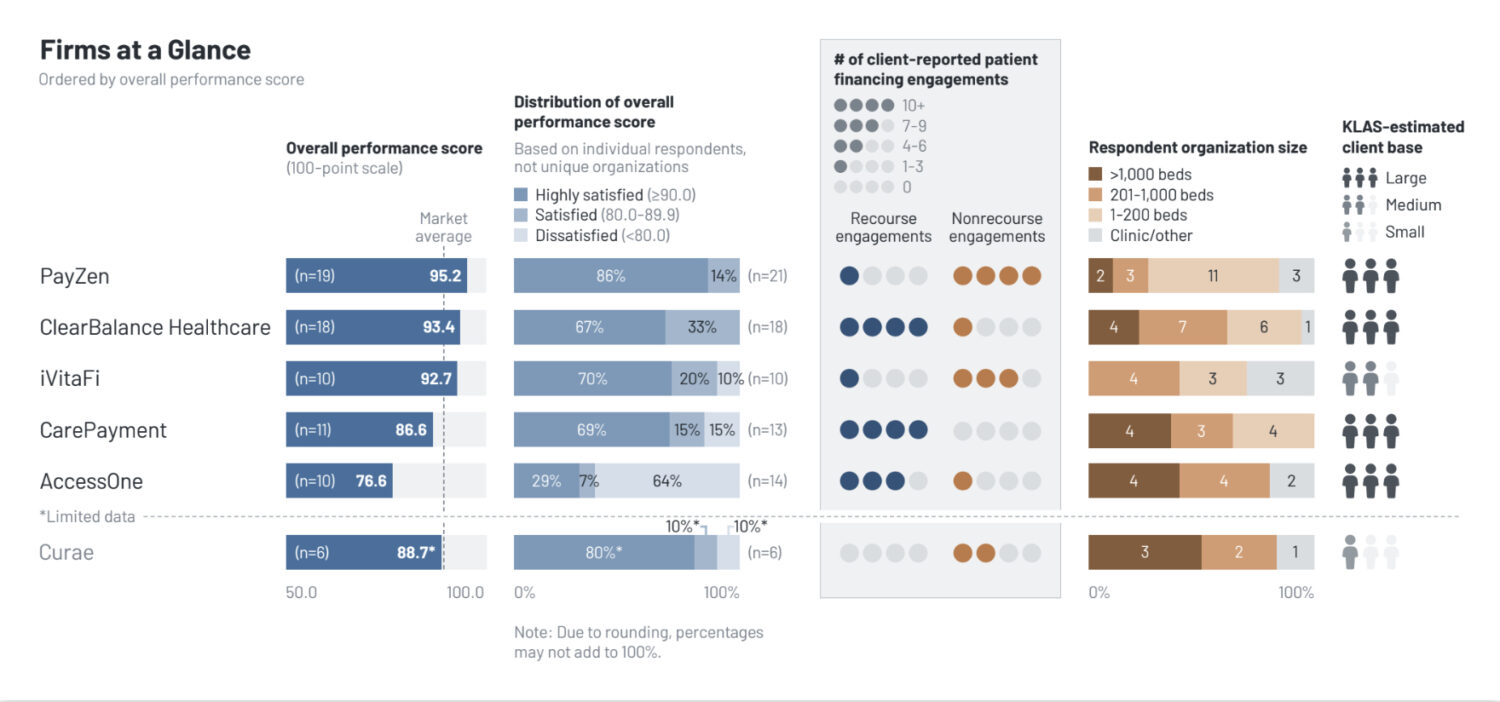
– KLAS Report: According to the newly released Patient Financing Services 2026 report by KLAS, the industry is undergoing a critical structural shift in how these third-party programs are modeled—and one startup is capitalizing on the transition better than anyone else.
– The Market Shift: Patient financing services are third-party solutions that give patients flexibility to pay their healthcare costs over time, simultaneously shifting long-term receivables and potential financial risk away from the healthcare organization.
– Recourse vs. Nonrecourse: The market is divided into two primary models. In recourse financing, the healthcare organization retains the financial risk if a patient defaults, but enjoys lower program fees and broader patient eligibility. In nonrecourse financing, the third-party firm assumes the full risk of patient nonpayment.
Understanding the Two Primary Models
Organizations typically choose between recourse and nonrecourse financing based on their risk appetite, financial goals, and operational capacity.
Recourse Financing
In this model, the healthcare organization retains the financial responsibility if a patient defaults; unpaid balances eventually shift back to the provider.
Key Advantage: Generally features lower program fees and less restrictive patient eligibility criteria.Primary Decision Factor: Chosen by organizations prioritizing a better ROI and broader patient access.Nonrecourse Financing
The financing firm assumes the full risk of patient nonpayment, meaning the healthcare organization is not obligated to reimburse the firm if a patient defaults.
Key Advantage: Offers risk transfer and accounting finality, providing predictable cash flow.Primary Decision Factor: Favored by organizations seeking operational simplicity and those dissatisfied with prior recourse models.




 Bengali (Bangladesh) ·
  English (United States) ·