
 1 hour ago
5
1 hour ago
5 
This publication is sponsored and written by a third party. Coindoo does not endorse or assume responsibility for the content, accuracy, quality, advertising, products, or any other materials on this page.
The structural limits of traditional linear block architectures have become a major source of performance friction across the decentralized finance sector. Standard proof of work and proof of stake networks can struggle to maintain consistent performance when transaction volume increases sharply during sudden market events. This technological limitation may cause higher transaction failure rates and pricing pressure for users who require fast settlement finality.
Market participants reviewing current crypto infrastructure are increasingly looking beyond legacy consensus chains. The search has shifted toward non-linear distributed ledgers that utilize advanced database structures to support horizontal scaling and faster transaction processing.
Linear Block Bottlenecks and Failure Rates
Linear blockchains require validator nodes across the global network to verify transactions in a sequential line. This architectural setup means that as more users enter the ecosystem, the processing queue can grow longer, causing network congestion. During periods of heavy market activity, gas fees may rise as users attempt to outbid each other for limited block space. This operational inefficiency makes some standard networks less practical for enterprise-grade applications, encouraging institutions and developers to review alternative consensus frameworks that process data through parallel pathways.

For allocators analyzing current crypto infrastructure, avoiding these linear bottlenecks is an important factor in capital deployment. A network that struggles during peak trading hours may face limitations when supporting a global financial ecosystem. The constant need for secondary-layer patches and complex routing solutions highlights the structural challenges present in some legacy chain designs. Moving past these limitations requires a foundational upgrade, replacing the single-file block structure with a more scalable approach to decentralized data management.
Concurrent Processing Via Directed Acyclic Graphs
BlockDAG establishes a different technological benchmark by deploying its Directed Acyclic Graph architecture to support a 5,000 TPS baseline. Unlike traditional linear models, DAG technology utilizes concurrent block processing, allowing multiple transaction pathways to resolve simultaneously. This structural design aims to help the network process higher transaction volume without compromising ledger security or inflating network fees. The activation of this high-speed engine provides decentralized application developers with a framework for processing large-scale enterprise data and financial settlements.
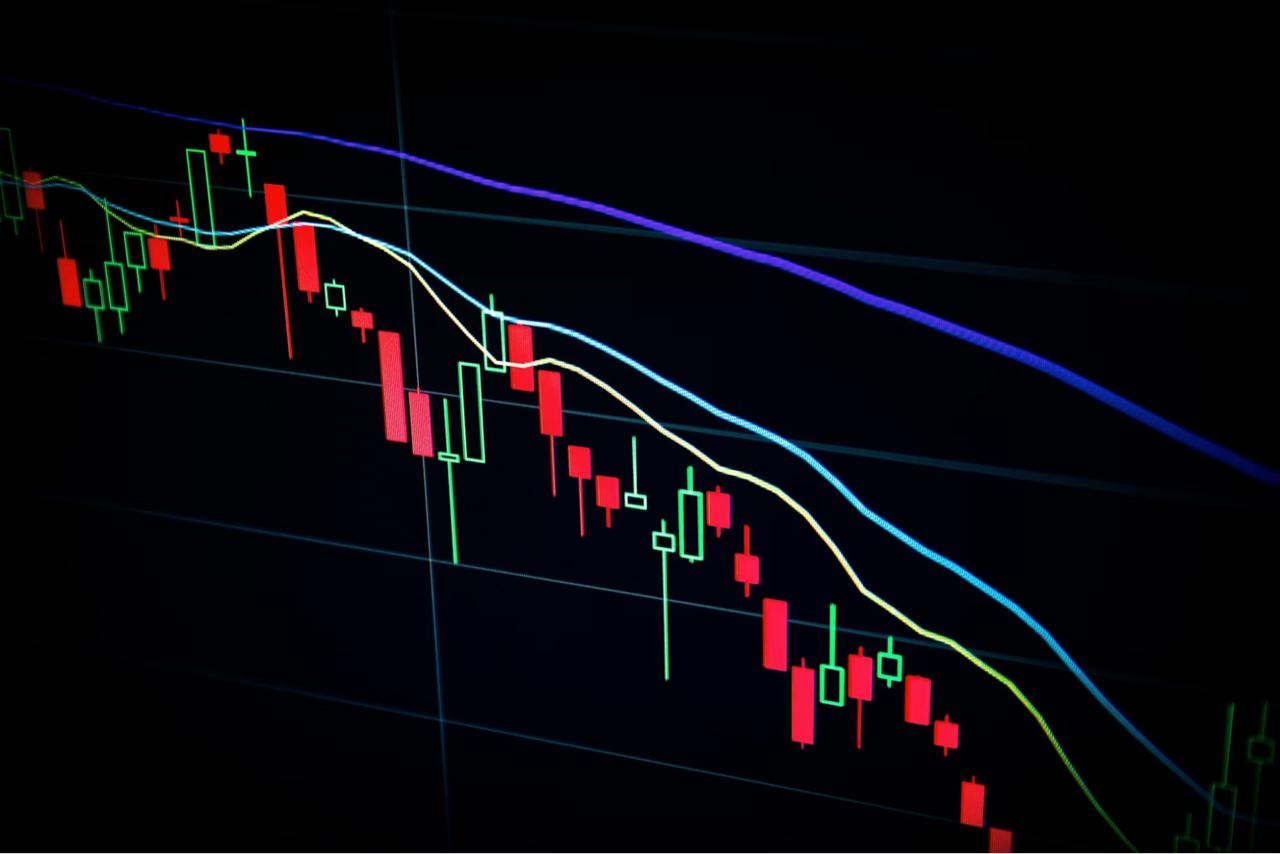
Operating at 5,000 transactions per second is designed to help the network reduce the congestion issues affecting older systems. This makes the platform part of current discussions among developers reviewing high-volume scalability. The core engineering team has focused on bridging rapid transaction finality with network decentralization. By utilizing parallel block confirmation, the ledger can handle thousands of independent smart contracts simultaneously, reducing the lag that can affect user experience on standard linear blockchains.
Reviewing the Current Legacy Sale and Buyback Structure
The mainnet performance validation is paired with a current promotional event on the native platform dashboard. Market participants reviewing BlockDAG can bypass traditional public exchanges and access a Legacy Sale entry rate of $0.00000044 per token. Each direct swap registration is tied to a listed corporate buyback level of $0.10 under the project’s stated terms, creating a defined program structure for eligible participants to review.

This listed buyback level allows participants to compare the project’s dashboard-based program with more volatile secondary market conditions. Because the dashboard operates within a limited program allocation, participation depends on availability, eligibility, execution, and the project’s stated terms. Buyers reviewing the $0.00000044 rate should account for liquidity, adoption, market conditions, and the project’s ability to complete its program mechanics.
Final Say
Traditional sequential block processing faces challenges when meeting the scalability demands of modern decentralized finance applications. BlockDAG provides a different technological solution by replacing linear chain design with a 5,000 TPS Directed Acyclic Graph network. This engineering milestone is paired with a structured program model, including a listed $0.10 stablecoin buyback level for eligible entries secured at the foundation tier.
For capital allocators reviewing current crypto infrastructure, BlockDAG presents a combination of DAG-based scalability, dashboard-based participation, and structured buyback terms. Future outcomes will depend on eligibility, execution, liquidity, adoption, broader market conditions, and the project’s ability to complete its stated program terms.

Presale: https://purchase.blockdag.network
Website: https://blockdag.network
Telegram: https://t.me/blockDAGnetworkOfficial
Discord: https://discord.gg/Q7BxghMVyu
This publication is sponsored and written by a third party. Coindoo does not endorse or assume responsibility for the content, accuracy, quality, advertising, products, or any other materials on this page. Readers are encouraged to conduct their own research before engaging in any cryptocurrency-related actions. Coindoo will not be liable, directly or indirectly, for any damages or losses resulting from the use of or reliance on any content, goods, or services mentioned.
The post Concurrent Block Processing Explains How BlockDAG Architecture Differs From Linear Blockchains appeared first on Coindoo.




 Bengali (Bangladesh) ·
  English (United States) ·