

The Artemis II astronauts have safely returned from their historic voyage around the moon.
On April 10, their Orion spacecraft entered Earth’s atmosphere at more than 38,000 kilometers per hour (24,000 miles per hour). At that speed, friction caused the outside of the capsule to heat up to nearly 2,800° Celsius (5,100° Fahrenheit). A special heat shield on the spacecraft protected the astronauts inside.
Upon reaching an altitude of about 7 kilometers (4 miles), the capsule let loose 11 parachutes. These slowed the spacecraft to about 30 kilometers per hour (19 miles per hour), before it splashed down off the coast of San Diego, Calif.
After disembarking, the astronauts were taken back to NASA mission control in Houston, Texas.
Throughout their journey, the Artemis II astronauts made history. They became the first people to visit the moon in more than 50 years. They got unmatched views of the lunar farside. They set a new record for the farthest that humans have traveled from Earth. And they became the first people to see a solar eclipse from the moon.
It was, to say the least, a pretty epic trip. The crew recorded themselves making observations that scientists will now use to study Earth’s celestial sidekick in better detail. And like any good travelers, the astronauts snapped photos of the sights — lots and lots of them. Those images now offer those of us on the ground at least a small taste of what it’s like to see a part of the night sky up close and personal.
Here are some of Science News Explores’ favorite Artemis II photos.
Group hug
 NASA
NASA
 NASA
NASA
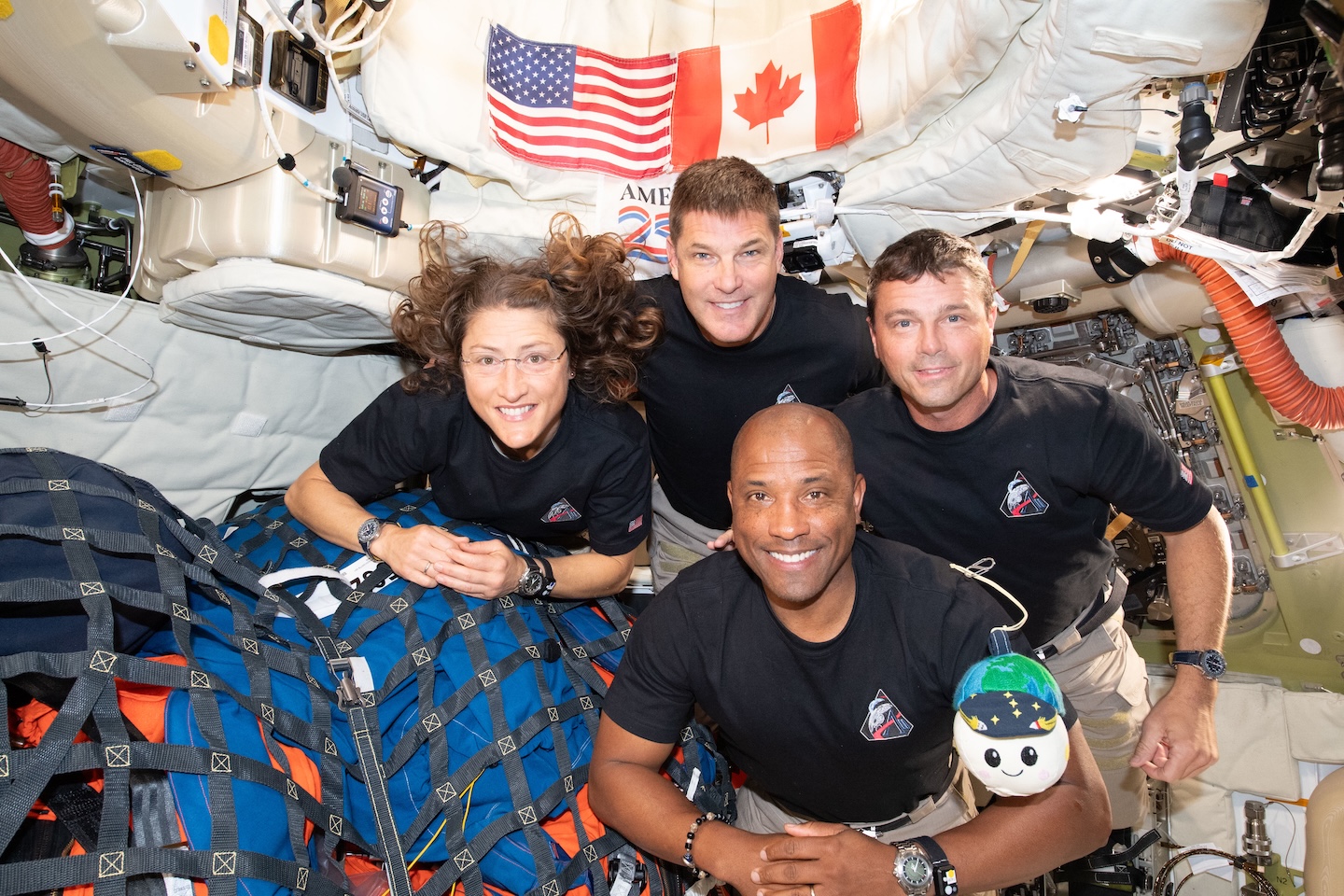
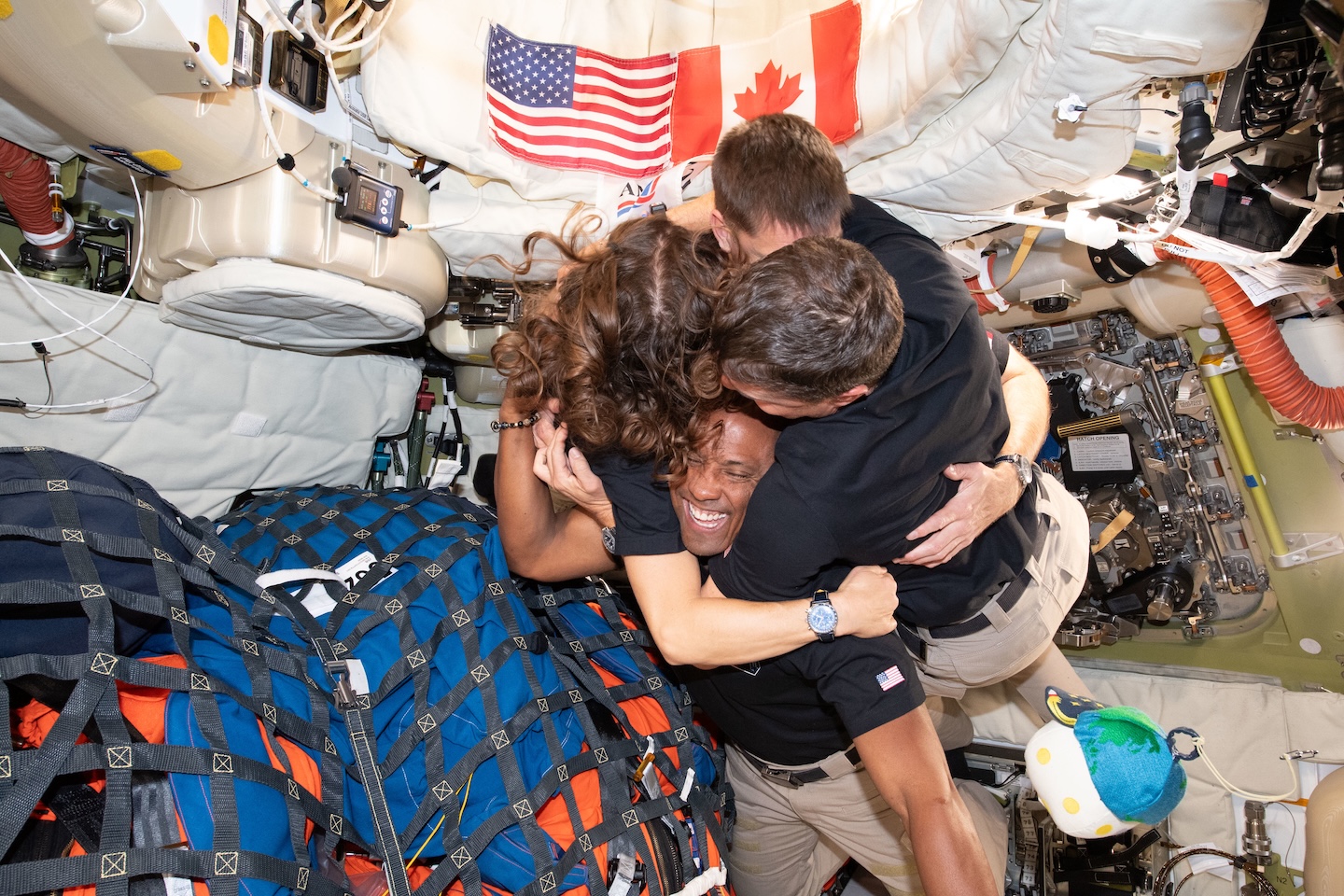
Meet your intrepid explorers! The Artemis II astronauts took these April 7 selfies while aboard the Orion spacecraft. The crew included (clockwise from left in both photos): Mission Specialist Christina Koch, Mission Specialist Jeremy Hansen, Commander Reid Wiseman and Pilot Victor Glover. Koch is the first woman and Glover is the first person of color to visit the moon.
Home sweet home
 NASA
NASA
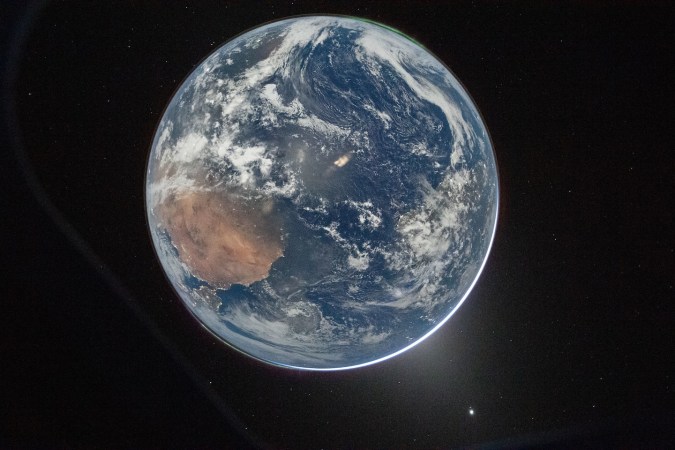
Wiseman captured this photo as the crew departed Earth for the moon. You can see both the northern and southern lights. (They’re visible as thin bands of greenish light wrapping around the curvature of Earth at the bottom left and top right of the planet. You might have to zoom in to see them.) Africa and a bit of Europe are visible on the left side of the globe. You can also see light peeking out around the bottom right of Earth, due to our planet passing in front of the sun. Venus pops out at the bottom right of the photo.
Two crescents
 NASA
NASA
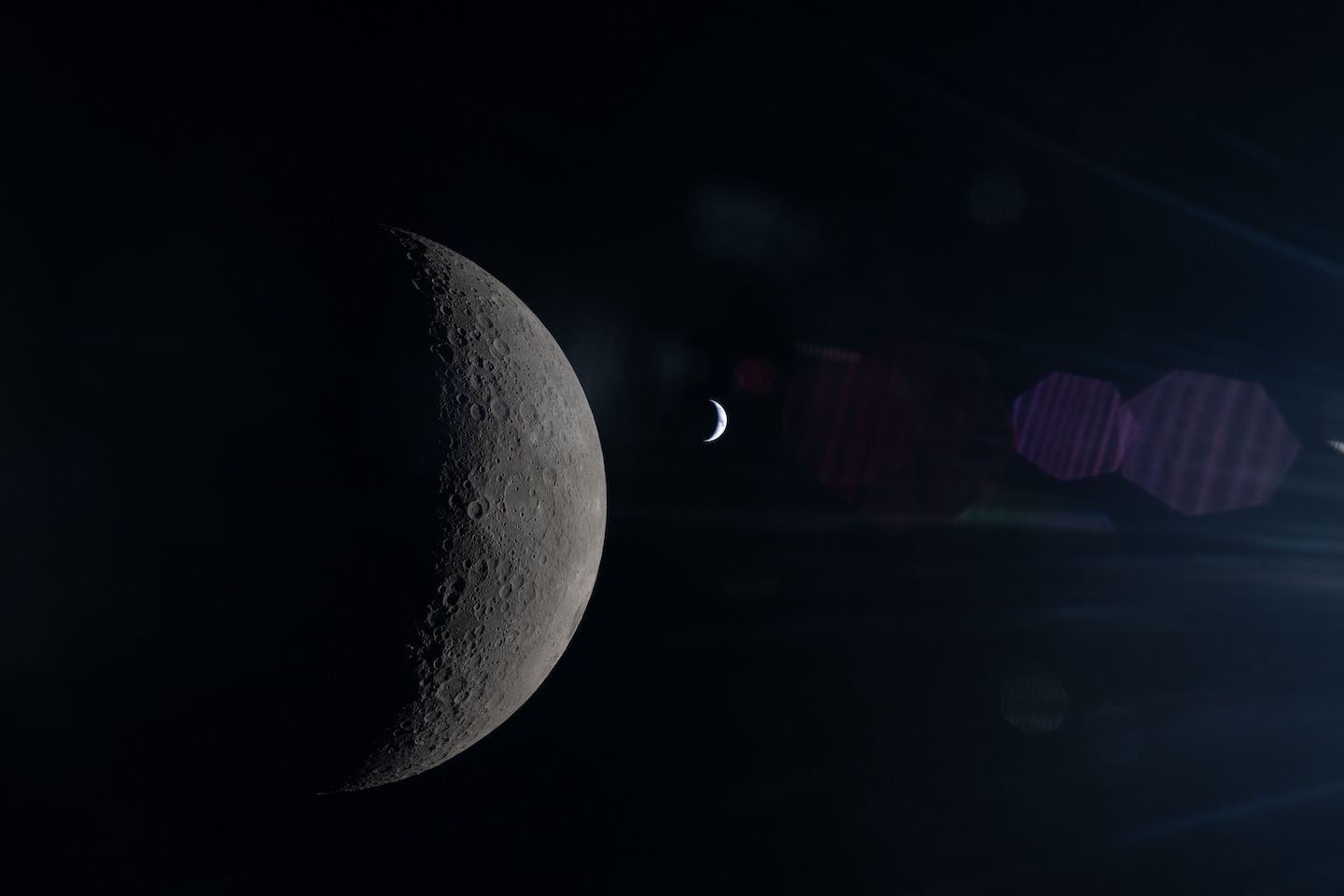
This photo, taken on April 6, shows the farside of the moon in the foreground and Earth in the background. The sun partially lit both, creating a pair of crescents. The Artemis II mission offered unmatched views of the moon’s mysterious farside, which always faces away from Earth.
The lunar Grand Canyon
 NASA
NASA
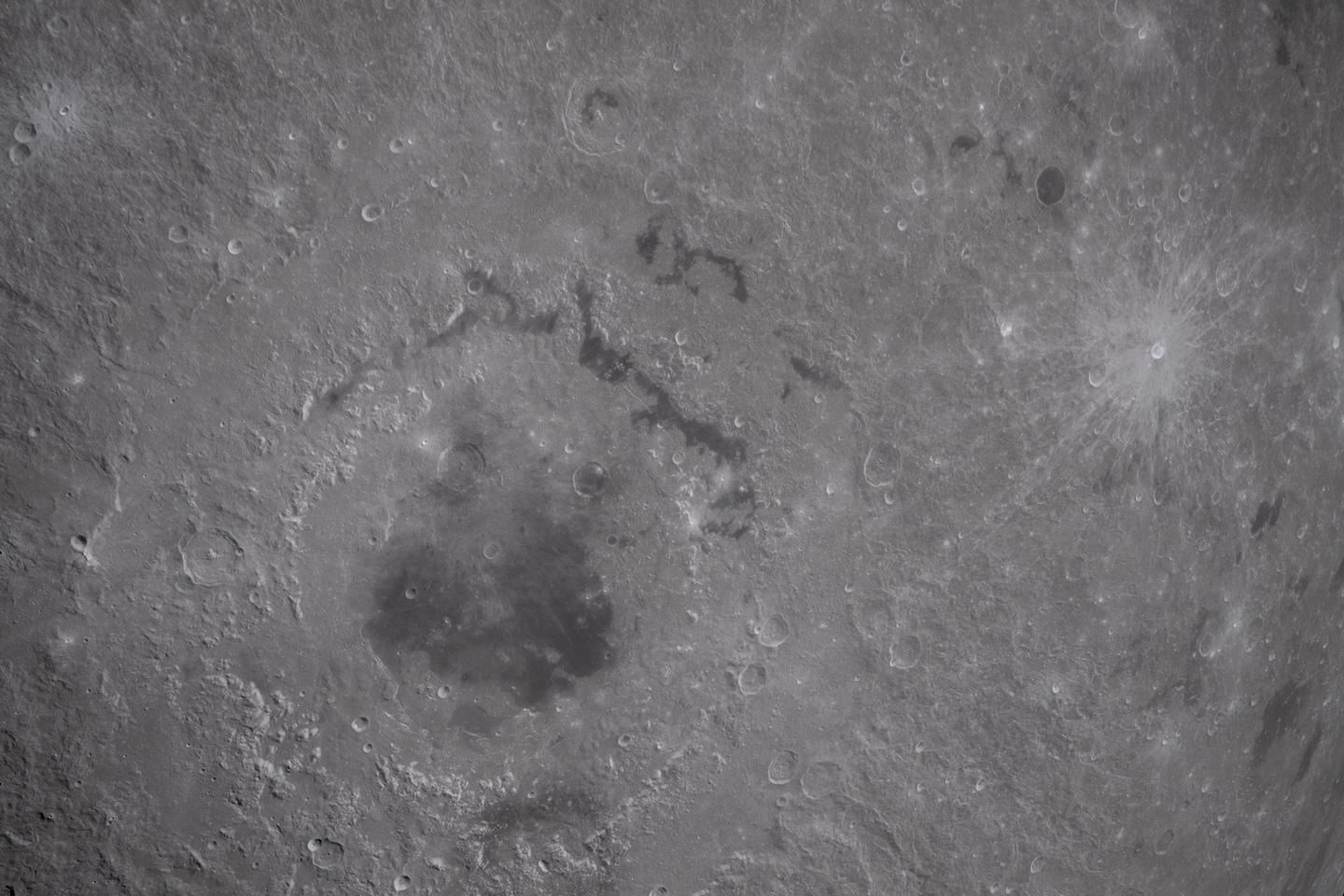
This April 6 photo shows Orientale Basin, a roughly 965-kilometer-wide (600-mile-wide) crater. It lies on the border between the near and far sides of the moon. Until the Artemis II mission, this formation — known as the “Grand Canyon of the moon” — had never before been seen by human eyes.
Our spectacular galaxy
 NASA
NASA
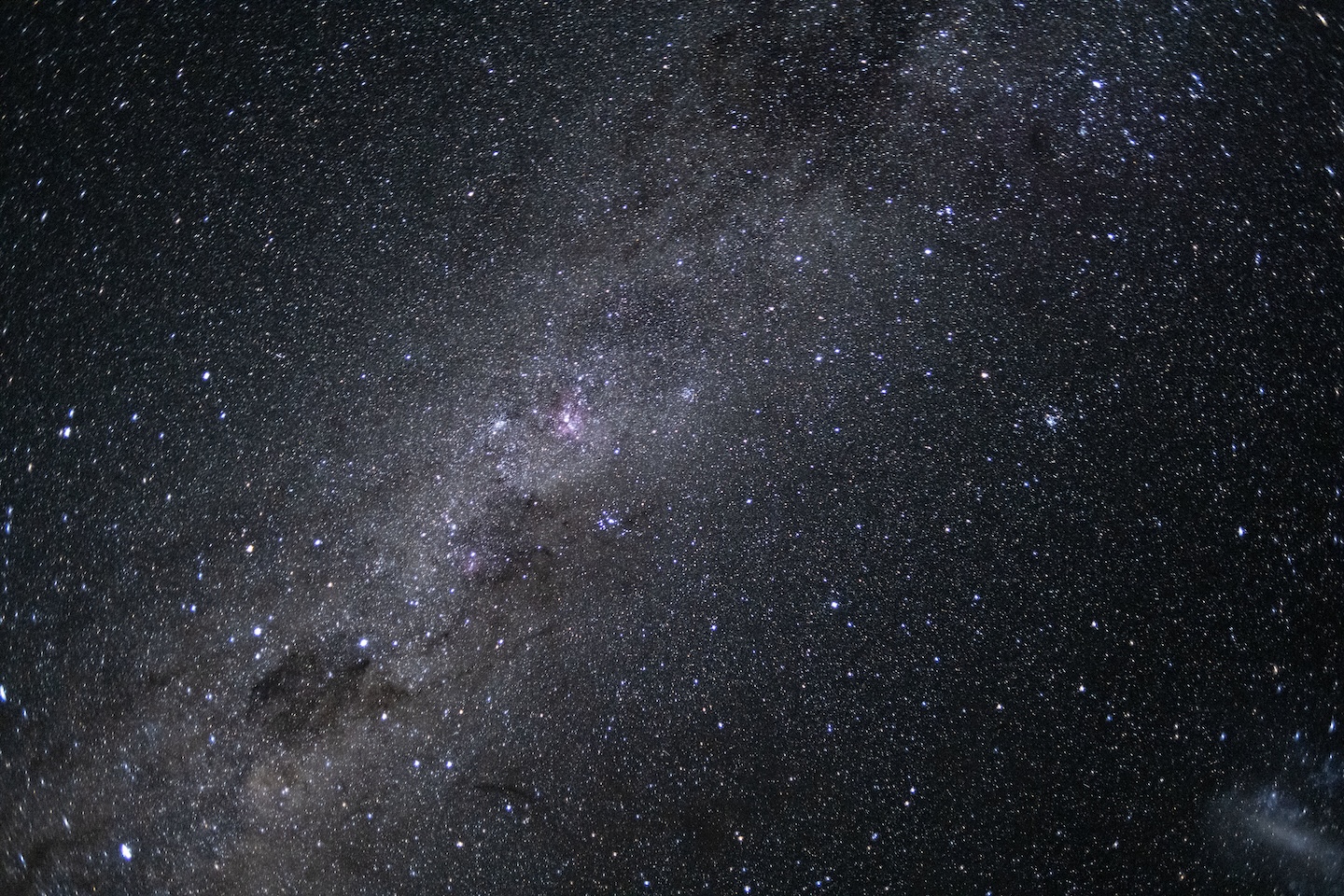
This April 7 photo captures the disk of our Milky Way galaxy stretching across the heavens. Light pollution can make it difficult to see this disk on Earth. But in the darkness of deep space, the elegant structure of our home galaxy jumps out in vibrant, speckled detail.
Eclipse eeriness
 NASA
NASA
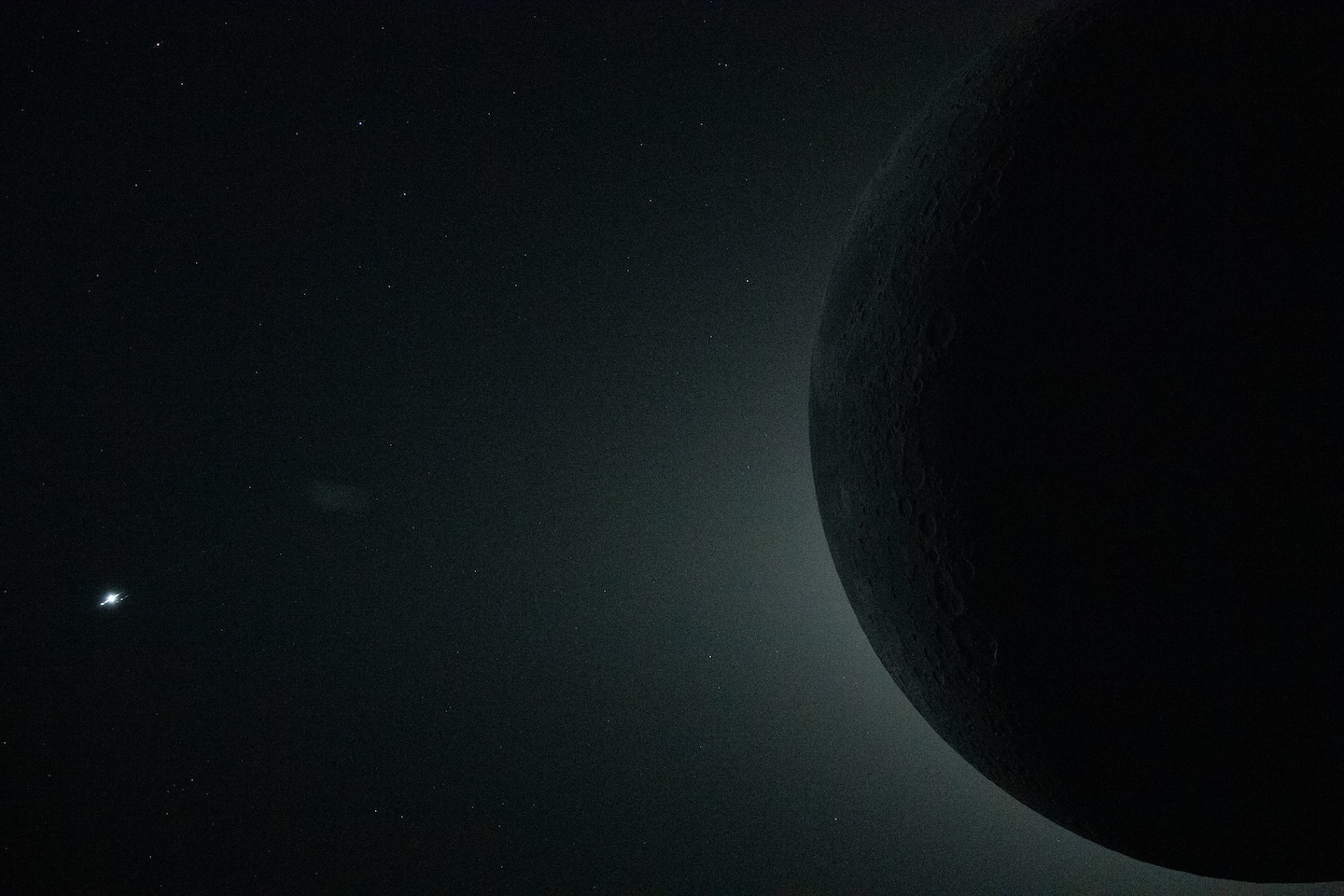
As their lunar flyby ended on April 6, the astronauts pointed their spacecraft so that the moon blocked the sun. During the resulting total solar eclipse (pictured), Venus stands out as a bright point of light to the far left.
The terminator
 NASA
NASA
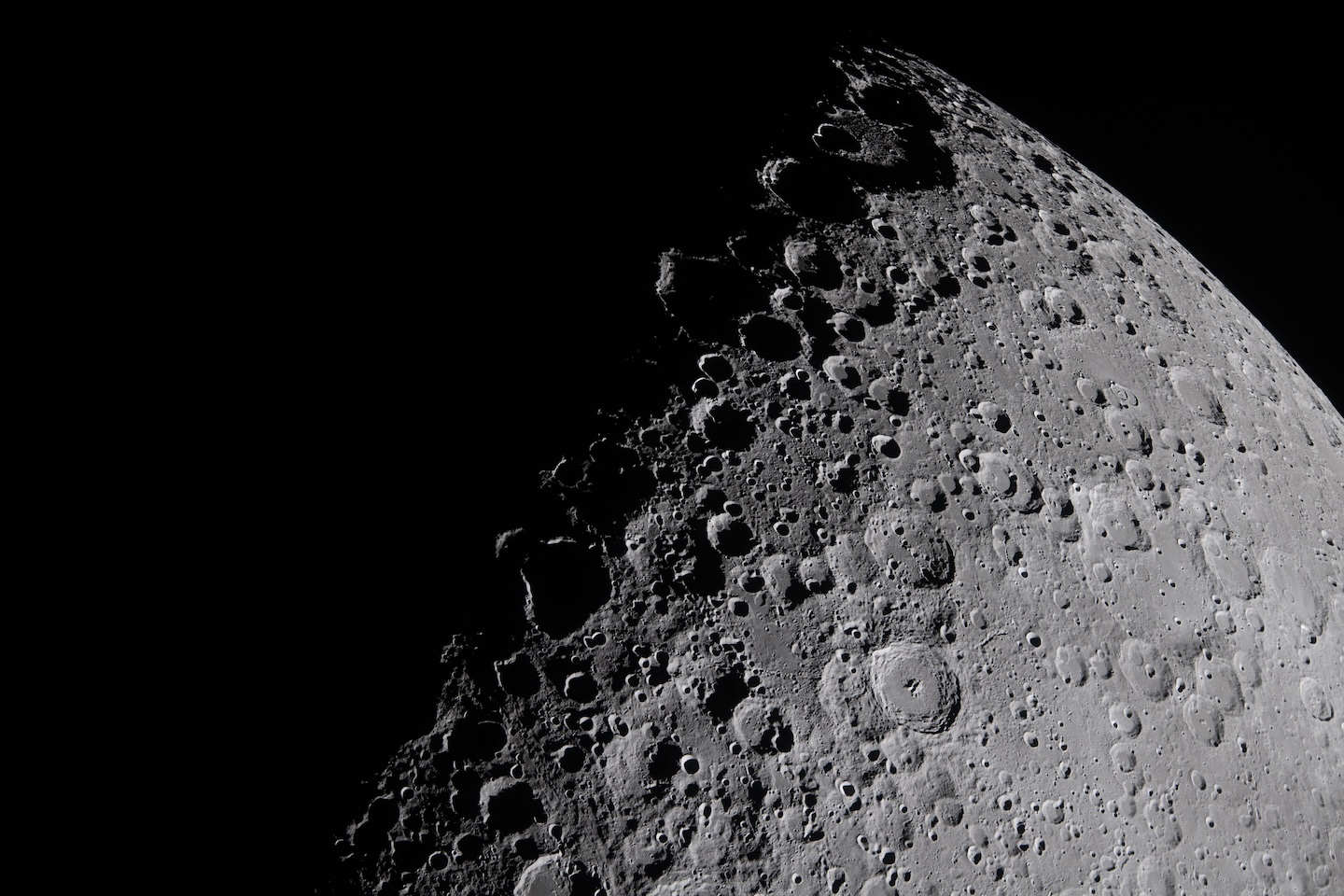
Sunlight casts bold shadows across the moon’s pockmarked surface on April 6 at the terminator — the border between its dark and light sides. Pilot Victor Glover was especially taken with that terminator, calling it “just fantastic,” with “little islands of terrain out there that are completely surrounded by darkness.”
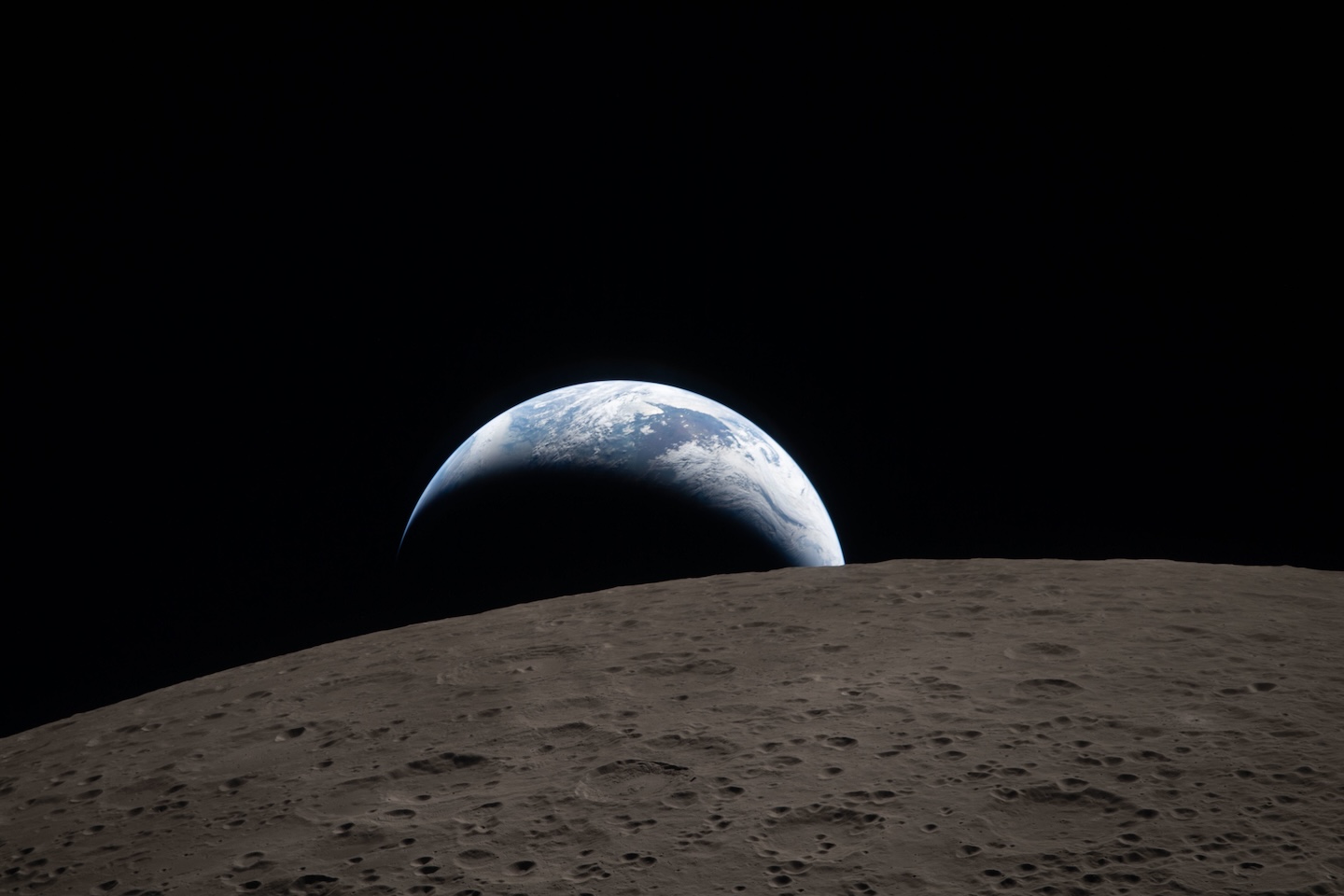
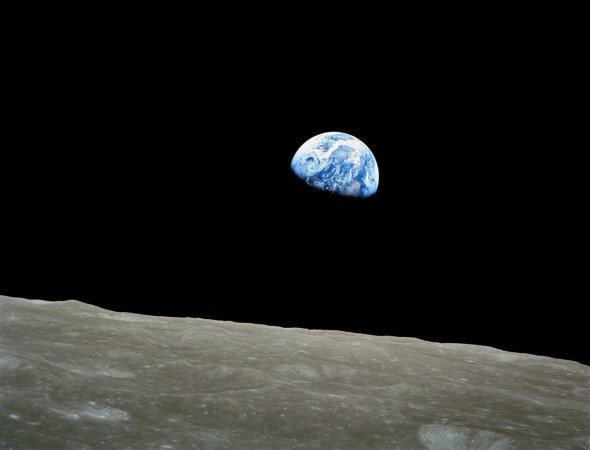
Earthrise, Earthset
 NASA
NASA
 NASA/William Anders, Wikimedia Commons (Public Domain)
On April 6, Artemis II captured an image of Earth setting behind the moon (left). This “Earthset” image purposely echoes a photo taken in 1968 by Apollo 8 astronaut William Anders (right). Now known as “Earthrise,” it’s become one of the most famous photos in history.




 Bengali (Bangladesh) ·
  English (United States) ·