
 3 days ago
1
3 days ago
1 

“You need credit history to get credit” — Canada’s most maddening catch-22, and one that every newcomer eventually hits face-first.
Learn about credit cards for Canadian newcomers and how they can help establish your credit history after moving to Canada.
You came to Canada with big plans, important papers, and the thrill of starting a new chapter in your life. You open a bank account, get your Social Insurance Number, and start to get used to your new life. Then you apply for your first credit card, and all of a sudden, you realize something you didn’t expect.
Related: How to build credit in Canada as a permanent resident
Your financial history from back home doesn’t carry over. Even if you managed money responsibly for years, Canadian lenders can’t see that record. In their system, you’re starting fresh.
That’s when secured credit cards come in. They are made just for times like this. You put down a deposit that you can get back, which becomes your credit limit. After that, you can use the card like any other card. Every time you make a payment on time, it gets reported to Canada’s credit bureaus. This helps you build your credit history over time.
With consistent use, many newcomers can move to a regular credit card within about a year. At that point, you may qualify for better limits, rewards, and stronger borrowing options.
This guide is here to make things simple. We have examined the most popular secured credit cards available to newcomers in Canada. We compared them based on deposits, fees, features, and everyday usability. This way, you can choose with confidence.
What exactly is a secured credit card?
Unlike a regular (unsecured) card, a secured card requires you to put down a cash deposit — typically $50 to $1000. That deposit becomes your credit limit. The bank takes zero risk, so approval is nearly guaranteed even with zero Canadian credit history.
The magic is in the monthly reporting: every time you pay your bill on time, that positive behaviour gets recorded with Equifax and TransUnion. After about six months, you have an actual credit score.
After 12–18 months of responsible use, most issuers will let you “graduate” to an unsecured card and return your deposit in full.
Our Top Picks for 2026
The Best Secured Cards for Newcomers
There are several reliable options available across Canada. We evaluated each card on: minimum deposit, annual fee, rewards, credit bureau reporting, interest rate, and newcomer accessibility. Each one offers different benefits depending on your situation, income, and financial goals.
Neo Mastercard has the best secured credit card in the country.
Neo Secured Mastercard
If there’s one card that has genuinely changed the game for newcomers, it’s the Neo Secured Mastercard. Most secured cards are like bare-minimum instruments of credit-building purgatory — you deposit your money, get a card that earns nothing, and wait. Neo broke that mould by offering actual cash back rewards on a secured product.
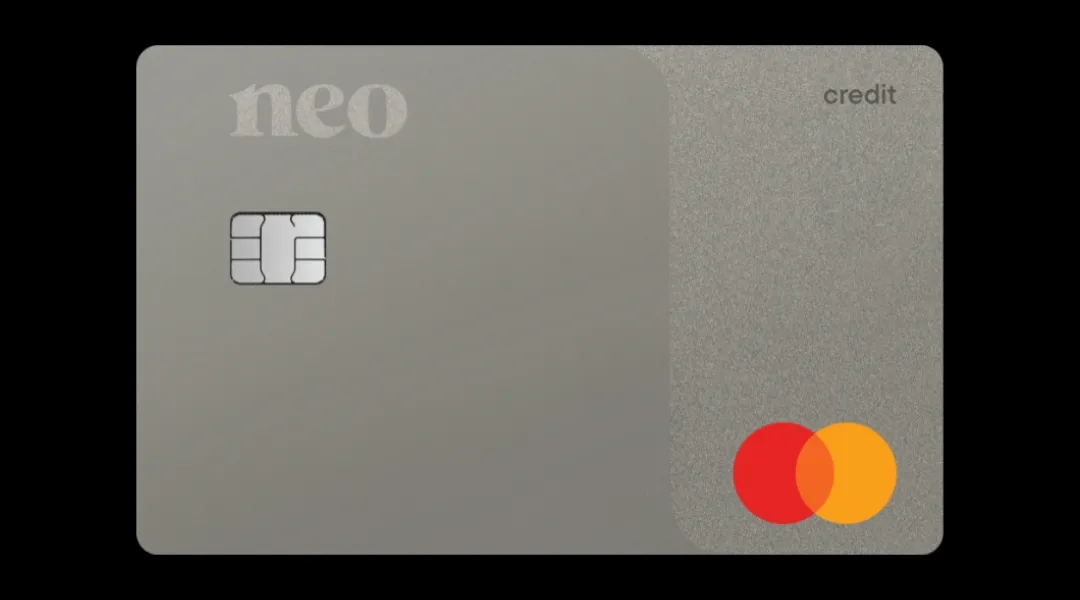
Start with as little as $50 as your security deposit, get approved without a credit check, and immediately start earning cash back on gas and groceries. At thousands of partner stores across Canada — restaurants, shops, services you already use — you can earn up to 5%.
PROS
Lowest deposit in Canada ($50) Earns cash back — rare for secured cards No credit check required Built-in credit score tracking Adjust credit limit any timeCONS
Interest rate can reach 29.99% Not available in Quebec Best rewards tied to partner storesHome Trust Secured Visa
Home Trust has been doing this for decades, and it shows. The Secured Visa is the card that immigration consultants and personal finance bloggers have recommended for years — not because it’s flashy, but because it works exactly as advertised. No gimmicks, no hidden traps.
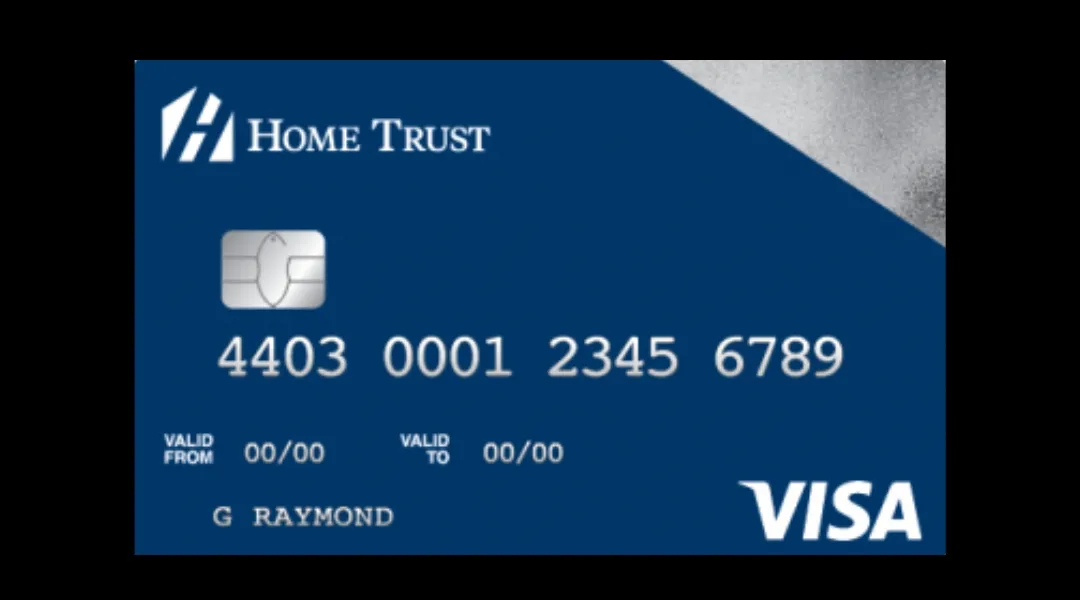
The standard version carries zero annual fee and a 19.99% purchase rate. If you know you’ll occasionally carry a balance (though you really shouldn’t), you can opt for the $59/year version that drops the rate to a very manageable 14.99% — one of the lowest rates on any secured card in Canada. The deposit range of $500–$10,000 is held with a CDIC-insured institution, meaning your money is protected.
PROS
Only no-fee secured Visa in Canada Low-rate option available ($59/yr) Deposit insured by CDIC Accepted worldwide (Visa network) Works with Apple, Google, Samsung PayCONS
$500 minimum — higher barrier to entry No rewards whatsoever No dedicated mobile appCapital One
The word “Guaranteed” in the name isn’t marketing fluff — Capital One genuinely offers near-certain approval regardless of your credit situation. No income requirement, no credit check, and a minimum deposit as low as $75 in some cases. For newcomers who’ve already been turned away elsewhere, this card is a lifeline.

What’s surprising for a guaranteed-approval card is the quality of Mastercard perks that come along for the ride: Price Protection, Extended Warranty Coverage, and Zero Liability protection. Capital One also has a well-known “graduation” pathway — use the card responsibly for 12 to 18 months, and they may return your deposit and upgrade you to an unsecured card automatically. That’s a clear, defined path forward.
PROS
Near-guaranteed approval for anyone No income requirement No annual fee Clear graduation path to unsecured Includes purchase protectionCONS
Higher interest than Home Trust option No rewards Starting limits are quite modestKOHO Secured Credit Building
KOHO isn’t a traditional secured credit card — it’s a modern credit-building product designed to help you build credit safely and simply. With the KOHO Financial Credit Building feature, there are no deposits, hard credit checks, or applications required, and approval is guaranteed.
Instead of borrowing money, you simply subscribe to the Credit Building service and make consistent monthly payments. These payments are reported to Equifax, helping you build your credit history over time without taking on debt.

Credit builders offer a safer way to improve your credit because you don’t need to spend or withdraw money to build credit. This eliminates the risk of falling into a debt cycle while still allowing you to establish a positive credit record.
What makes KOHO especially interesting in 2026 is that your all funds can earn up to 3.5% interest, so your money continues working for you while you build credit.
PROS
No deposit required Guaranteed approval No hard credit check Helps build credit safely Simple monthly paymentsCONS
Reports to only one credit bureau (Equifax) Monthly fee required Not a traditional credit cardBuild Your Credit the Smart Way with KOHO
No deposits. No hard credit checks. Just simple monthly payments that help you build your credit safely. With KOHO Credit Building, you get guaranteed approval and a stress-free way to improve your financial future.
 No Deposit Required
Guaranteed Approval
Builds Credit with Equifax
Earn up to 3.5% Interest
No Deposit Required
Guaranteed Approval
Builds Credit with Equifax
Earn up to 3.5% Interest
Quick Comparison Table
| Neo Secured Mastercard | $50 | $0 | 1%–5% cash back | Most Newcomers |
| Home Trust Secured Visa | $500 | $0 / $59 | None | Low-Interest Seekers |
| Capital One Guaranteed | ~$75 | $0 | None | Previously Rejected |
| KOHO Credit Building | No deposit required | $7/mo | 0.5% base | Students & App Users |
5 Rules to Build Credit Fast
Getting the card is just the first step. Here’s how to make the most of those 12–18 months.
1. Pay your full balance every single month
This is non-negotiable. Paying in full avoids interest charges (those 19–29% rates are painful) and demonstrates exactly the responsible behavior lenders want to see. Set up automatic payments so you never forget.
2. Keep your utilization below 30%
If your credit limit is $500, try not to spend more than $150 on the card at any given time. High utilization — spending close to your limit — signals financial stress to credit bureaus and drags your score down.
3. Use the card regularly, but not excessively
A card sitting unused in a drawer doesn’t build credit. Put a recurring expense on it — a streaming subscription, your phone bill — so it’s active every month and building a history of on-time payments.
4. Don’t apply for multiple cards at once
Every credit application triggers a “hard inquiry” that temporarily dips your score. Pick one secured card, use it well, and wait until you’ve built some history before applying for anything else.
5. Ask about graduation proactively
After 12 months of responsible use, call your card issuer and ask about upgrading to an unsecured card. Some will do it automatically; others need prompting. Don’t just wait and hope — ask.
What to Expect, Month by Month
A realistic roadmap from zero credit history to a rewards card.
Day 1 — Arrival
Get your SIN, open a bank account
Before anything else, get your Social Insurance Number. It’s required to open a bank account or apply for any credit product. Most major banks have newcomer programs — RBC, Scotiabank, TD, and BMO all have streamlined onboarding.
Week 1–2
Apply for a secured credit card.
Apply for Neo, Home Trust, or Capital One. The application takes minutes online. Have your SIN, address, and deposit amount ready. Approval is typically instant or within a few days.
If you’re unsure about the application process or which documents you need, this step-by-step guide walks you through applying for your first credit card in Canada.
Month 1–6
Use it — and pay it off, every month.
Put small, regular purchases on the card. Pay the full balance each month before the due date. Your credit file is being built quietly in the background; it typically takes about 6 months for a score to appear.
Month 6
Your first credit score appears. ars
Typically, around 520–580 to start. That’s not a bad score — it’s a starter score. Check it via Credit Karma, Borrowell, or your bank’s app. This is your baseline; everything from here is progress.
Score reaches 650–700+, time to graduate
Month 12–18
With consistent, responsible use, most newcomers reach the 660+ range—the threshold at which most mainstream credit cards become accessible. Call your issuer to ask about upgrading, then start comparing rewards cards.
Month 18+
Welcome to the regular credit card world
Cards like the Scotiabank Passport Visa Infinite are now within reach. It offers no foreign transaction fees and is great for calling home. The BMO CashBack Mastercard or RBC Cash Back Mastercard are also feasible options. Your deposit is returned. You’ve built something real.
Start Where You Are, Not Where You Want to Be
Canada’s credit system doesn’t care about your history back home — but it will remember everything you do here. A secured card isn’t a consolation prize. It’s the tool that every financially savvy newcomer uses. This tool helps to write their Canadian financial story from chapter one.
Pick the card that matches your deposit ability and spending habits. Use it wisely. You’ll have a credit score worth being proud of before your first Canadian winter is over.
Discussion: Which one of these newcomers’ credit cards to Canada appeals to you and why? Comment below.
Thanks for stopping by Canadian Budget Binder.
Mr. CBB
The post Best Secured Credit Cards for Canadian Newcomers appeared first on Canadian Budget Binder Your Way To Debt-Freedom.




 Bengali (Bangladesh) ·
  English (United States) ·