

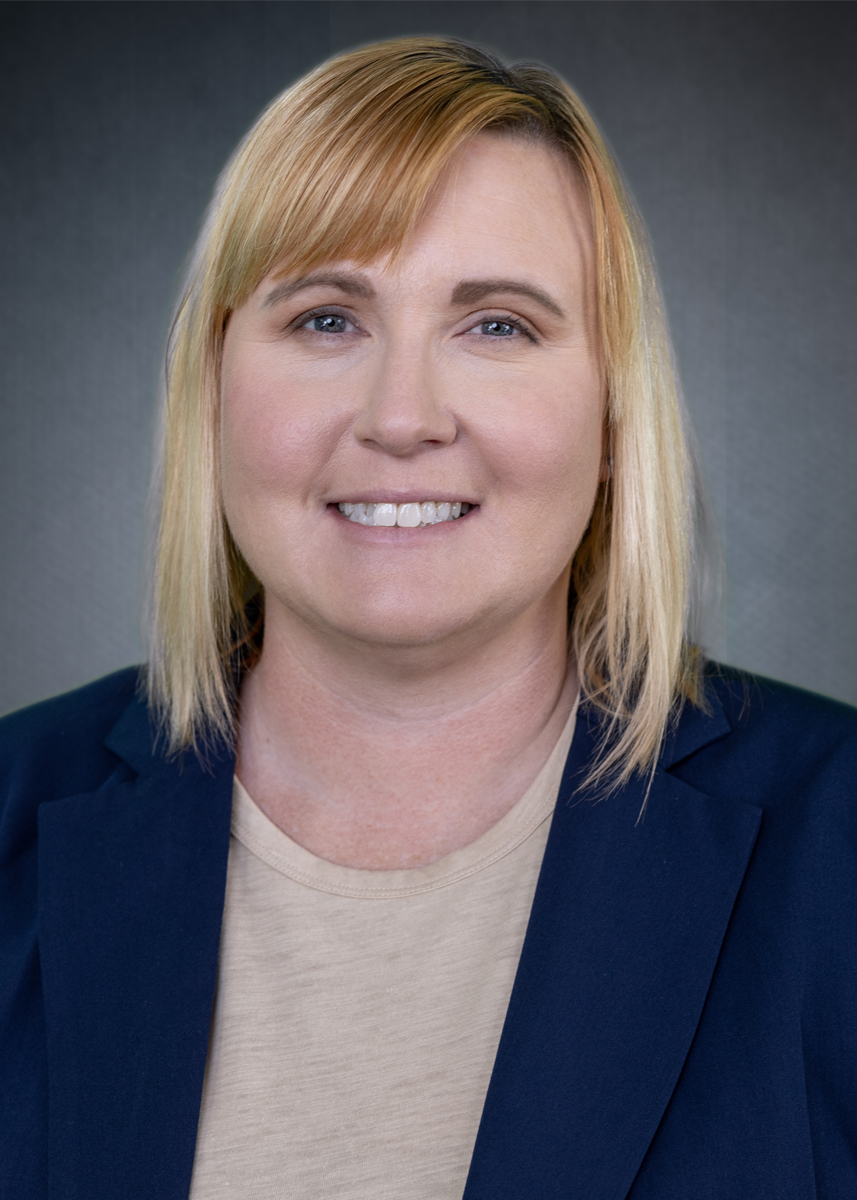
 Shanna Dugan, Managing Director of Healthcare Products at ARGO
Nearly 1 in 10 adults in the U.S. experienced a mental health crisis in 2025, according to a John Hopkins study. Individuals in crisis require access to the full spectrum of care they need. However, this isn’t always the reality.
Historically, manual utilization review (UR) has been the standard for ensuring patients receive care when they need it most. Many behavioral health facilities now face UR challenges driven by tedious manual processes that can no longer handle growing volumes of patient data.
UR hurdles delay and deny access to care while also impacting a facility’s revenue and operational efficiency. Manual workflows leave staff with little time to prepare for payor calls and missing or late documentation disrupts collaboration across care teams.
In practice, utilization review in many behavioral health facilities still relies on spreadsheets, shared inboxes, and manual chart reviews under tight deadlines. UR nurses often simultaneously manage dozens of cases, tracking authorization timelines across multiple payors with different medical necessity criteria.
A single missing note or delayed assessment can trigger hours of rework or an automatic denial. As census increases, these inefficiencies compound, forcing teams to respond to urgent requests rather than proactively manage care and reimbursement. Facilities are responding by modernizing their UR process through automation software.
The cost of manual processes
Every year, behavioral health facilities lose millions due to administrative delays and denied claims.
The financial impact of manual UR extends beyond individual denials. Delayed authorizations increase the risk of retroactive denials, write-offs, and extended accounts receivable cycles. Unfunded days quietly accumulate, eroding margins in an industry already under strain. Leadership teams often lack real-time insight into whether denials stem from documentation gaps, missed deadlines, or inconsistent payor communication, limiting their ability to address root causes.
As a result, providers spend valuable time on paperwork instead of patient care.
This outdated approach contributes to burnout and turnover. The behavioral healthcare sector is already facing a severe and growing nursing shortage. According to the National Association of State Mental Health Program Directors Research Institute (NRI), 98% of reporting state mental health authorities are experiencing staffing deficits, particularly in inpatient and residential settings.
Clinicians may recommend continued inpatient treatment, but UR staff must prove medical necessity under strict payer criteria, often with fragmented documentation and limited preparation time. Heavy caseloads, delayed clinical notes, and last-minute collaboration weaken their position during authorization calls.
Unfortunately, rising denial rates often lead to premature discharges.
As payors apply stricter scrutiny, facilities face mounting financial pressure with limited visibility into where processes are breaking down. Reliance on manual UR exposes both patients and leadership to unnecessary clinical and financial risk.
Moving beyond manual processes
Rising turnover in behavioral health is driven by stress and burnout, not lack of commitment to patients. UR staff are overwhelmed by manual chart reviews, fragmented documentation and repeated authorization denials. Reducing these administrative burdens directly improves staff retention and allows clinicians to refocus on treatment.
UR process automation delivers benefits in four critical areas:
Reduced denial ratesImproved UR efficiency and turnaround timeIncreased nurse satisfaction and retentionPatients receive the appropriate length of stayStreamlining UR work around time-based workflows allows teams to prioritize what matters most. Task-based views across the patient census help staff plan daily and weekly responsibilities instead of reacting to last-minute deadlines.
By eliminating manual chart searches, UR teams significantly reduce preparation time for concurrent reviews and improve productivity. Concise, printable reports replace hours of searching through records and support stronger concurrent and peer-to-peer reviews.
Review calls can be automatically scheduled with calendar reminders to ensure readiness. Better preparation upstream reduces the need for peer-to-peer reviews altogether, lowering stress, improving outcomes, and protecting reimbursement.
As demand for behavioral health services continues to rise, facilities can no longer afford utilization review processes that function as bottlenecks rather than support systems. Automation is not about replacing clinical judgment — it equips UR teams with the tools needed to advocate effectively for patient care. Facilities that modernize UR are better positioned to protect reimbursement, stabilize their workforce, and ensure patients receive clinically appropriate care. In today’s environment, efficient utilization review is no longer optional — it is foundational.
About Shanna Dugan
As the Managing Director of Healthcare Products for ARGO, Shanna Dugan provides leadership for ARGO’s Behavioral Health CareChain (BHCC) team. She manages the overall product strategy, sales support, and customer implementation for BHCC.




 Bengali (Bangladesh) ·
  English (United States) ·