
 1 month ago
25
1 month ago
25 
We all have that person in our life, the one who combines ambitious intentions with crippling self-sabotage. Often, they are unaware of this and perceive themselves as perfect, if only external circumstances didn’t prevent them from reaching their potential. A bad boss takes credit for their work; a realtor costs them a deal that would’ve made them instantly rich. Unsupportive partners, parents, and ungrateful children—everyone else has stood in the way of their destiny and deserved success. In reality, the only thing standing in the way of these individuals is themselves and their inability to accept responsibility for their actions and inactions. These individuals are the creators of their own unfortunate fates.
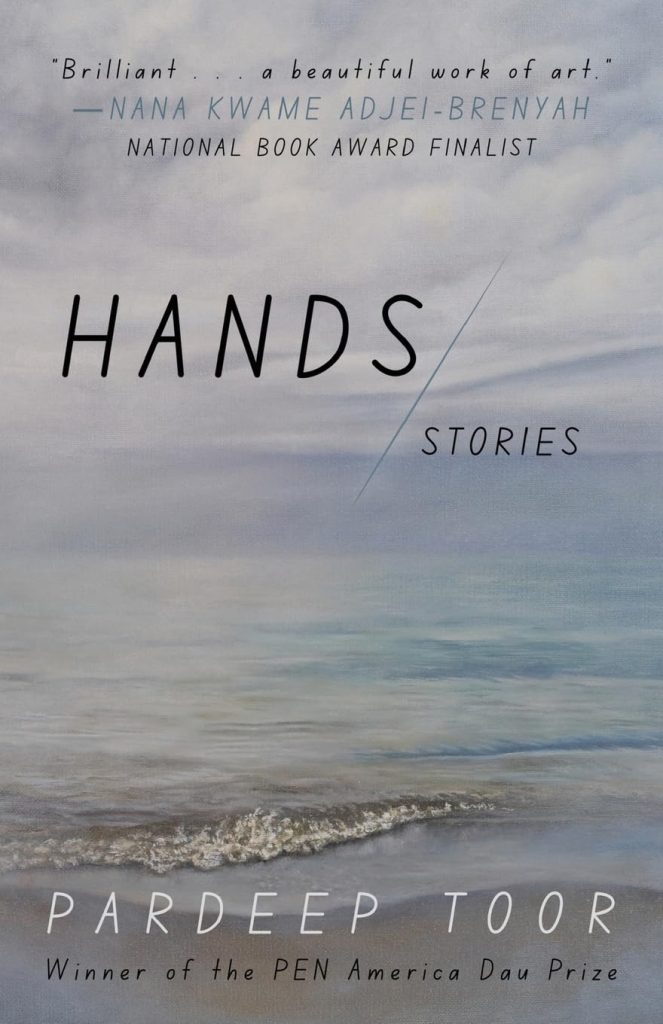
Bookshelves are full of stories featuring characters that stumble through self-sabotage. Literature thrives on readers’ rooted interest in such flawed heroes and anti-heroes. My upcoming linked short story collection, Hands, features a main character, Hans, a blue-collar Indian immigrant seeking shortcuts and working odd jobs to make ends meet. Ultimately, when he gets in the way of his own success, Hans blames everyone but himself for his misfortune: The bullies at school; his best friend Kanti; an Indian girlfriend who isn’t Indian enough for him; and his sister’s endless nagging and superstition. Hans’s immigrant journey doesn’t crystallize into the American Dream because of his own misgivings, ill-timed decisions, and crooked thinking—but he doesn’t believe that. Everyone else is always to blame. When there’s nowhere left to point his finger at, does he finally point it toward himself? Negative. There are always customers who don’t tip enough on his pizza deliveries.
The following reading list gathers stories of characters who can’t get out of their own way. These characters are both the aggressors and victims of their circumstances. They are hard to love, but it’s still painful to read about their collapses. In the end, readers are left feeling queasy, hoping for the best while realizing that the worst is inevitable.
Jesus’ Son by Denis Johnson
I don’t know if I’d be a writer without Denis Johnson. There’s no Hans without Fuckhead. These loosely linked stories explore the blue-collar underbelly of desperate labor—all clouded in intoxication and the search for the next high. Fuckhead and his cast of acquaintances stumble through odd jobs, petty theft, and toxic relationships. The characters consider honesty, but ultimately reject it in favor of shortcuts and a quick buck. Drugs and the pursuit of drugs are often the crux of Fuckhead’s self-sabotage. As he hunts for the next high, Fuckhead and his grab bag of friends end each story in more trouble than they began with. The collection’s brevity makes its complexity that much more astounding. How can so few words reveal so much of who we are when the odds are stacked against us and there appears to be no way out?
Burnt Sugar by Avni Doshi
The prospect of madness smothers every page of Doshi’s novel as Antara attempts to care for her ailing mother, Tara, suffering from dementia. Part mother-daughter drama, part psychological thriller, Burnt Sugar turns the mirror on readers and asks: who do you believe? Antara’s self-doubt stunts her ability to care for her mother. She is caged by the paralysis of her own thoughts. She questions her mother’s diagnosis, re-writes her childhood, and ultimately is unsure about who is really losing their mind. I’ve gifted this book too many times to count. It’s the most important book on Indian motherhood that I’ve ever read.
People from Bloomington by Budi Darma
Obsessive tendencies in Darma’s comedic collection drive characters to absurd behavior and trap them in their circumstances. In “Yorrick,” a man spits and pisses on his roommate’s clothes so he will stop leaving them on the bathroom floor. In “The Family M,” the first-person narrator’s car gets scratched and he becomes single-mindedly focused on getting revenge on the kid who he thinks damaged his car. The narrator in “The Old Man With No Name” literally becomes obsessed with an old man in an apartment complex and starts stalking him. These seven stories are told in first-person and feature obsessive narrators who are willingly derailed by the smallest details of everyday life.
Somebody Loves You by Mona Arshi
Somebody Loves You centers on Ruby, a teenager who stops speaking and becomes a self-proclaimed “expert in the art of solitude and quietness.” Ruby and her older sister, Rania, are navigating adolescence without their mother after she suffers a mental breakdown. Like Burnt Sugar, the Indian mother plays a central role in the trauma on the page. However, unlike the books on this list, Ruby’s imprisonment—embodied by her choice not to speak—is a conscious decision and an attempt to free herself from her past troubles rather than drowning in them. The result is a short, challenging, and violent novel that will force the reader to grapple with the imagined and actual threats in the world.
Whiteout Conditions by Tariq Shah
The setup: Ant returns home to Chicago to attend the funeral of his friend’s cousin, who was killed by a neighborhood dog. It’s a complicated setup that is enriched by childhood memories sprinkled throughout the short novel. All Whiteout Conditions’s characters are drunk, high, and unhinged as they mourn the sudden loss in their family. But it’s not Ant’s family. So what is he even doing there? Ant’s unexpected and often unwanted arrival causes drug-induced chaos at the funeral as a family tries to move forward while Ant pulls them back and drowns them in the past. But of course, Ant doesn’t realize his own part in the oxy-laced toxicity of this emotionally and physically violent novel.
Oksana, Behave! by Maria Kuznetsova
Oksana is selfish and self-destructive. She sleeps with a married man at her grandmother’s funeral. She drinks a lot and is generally unlikeable. But she’s funny. Is that enough? It is in Oksana, Behave!, which follows a family’s immigration journey to the United States through Oksana’s engaging and brutally honest perspective. She recalls the story of her family moving from Kiev to Florida, and describes her education in middle and high school, college, and then graduate school. The immigrant themes of losing social status, language, and homeland are integrated within this coming-of-age story. Oksana’s comedic charm makes her likeable and hateable at the same time. Ultimately, her hurtful antics induce a guilty laugh—even though she should know better.
Before the End, After the Beginning by Dagoberto Gilb
The characters in Gilb’s collection are stuck in the mud and not trying very hard to get out. They want the reader to believe that they’re doing their best, but their actions suggest otherwise. In “The Last Time I Saw Junior,” the narrator finds himself in a compromised situation, as usual, chasing the next high with an old friend in an obscure location, which is only aggravated when he slips into a drug-induced rage. In “Blessing,” a character drives hours north from El Paso to visit his ex-girlfriend who is now married with a baby. He stays in her house, falls into the same patterns that led to their breakup, and departs as lost and broken as when he arrived for the visit. Gilb’s characters hope for the best while acting on their cheap and easy desires. Their failures are internal, but the blame always lies “outside their control.”
The post 7 Books Featuring Self-Sabotaging Characters appeared first on Electric Literature.




 Bengali (Bangladesh) ·
  English (United States) ·