
 12 hours ago
1
12 hours ago
1 
Rewatching a movie can often give us details that enrich the experience, although sometimes, those same details end up bringing the experience down. Beneath familiar stories and iconic scenes lie details, implications, and logical gaps that can make a film feel far more unsettling in hindsight.
These aren’t always intentional twists or hidden clues, but observations that shift the tone once they click. Whether it’s a troubling ethical implication or a flaw that raises bigger questions, these moments have a way of sticking with viewers long after the credits roll, no matter if you’re watching them for the first or second time.
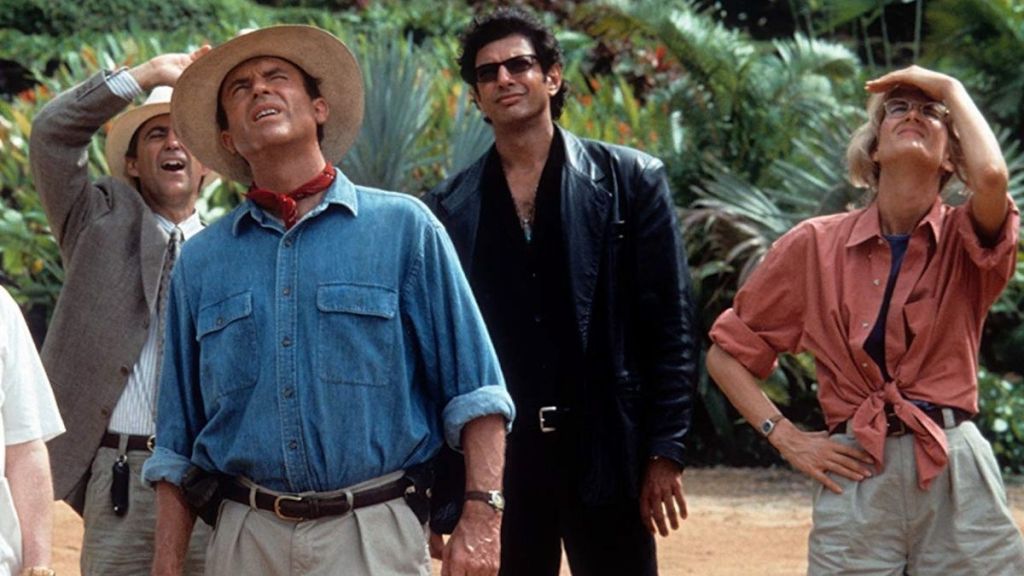
Jurassic Park
The park’s safety systems rely heavily on automation with minimal oversight, making the disaster feel less like an accident and more like an inevitability waiting to happen.
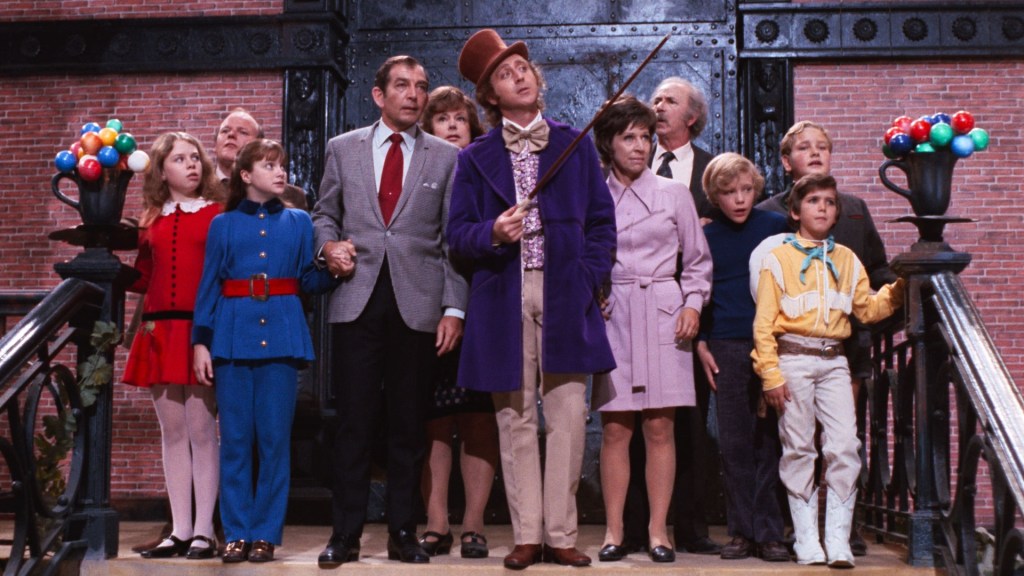
Willy Wonka & the Chocolate Factory
Each child’s fate is left ambiguous, and the film never clearly confirms they fully recover, adding a darker edge to what appears to be a whimsical story.
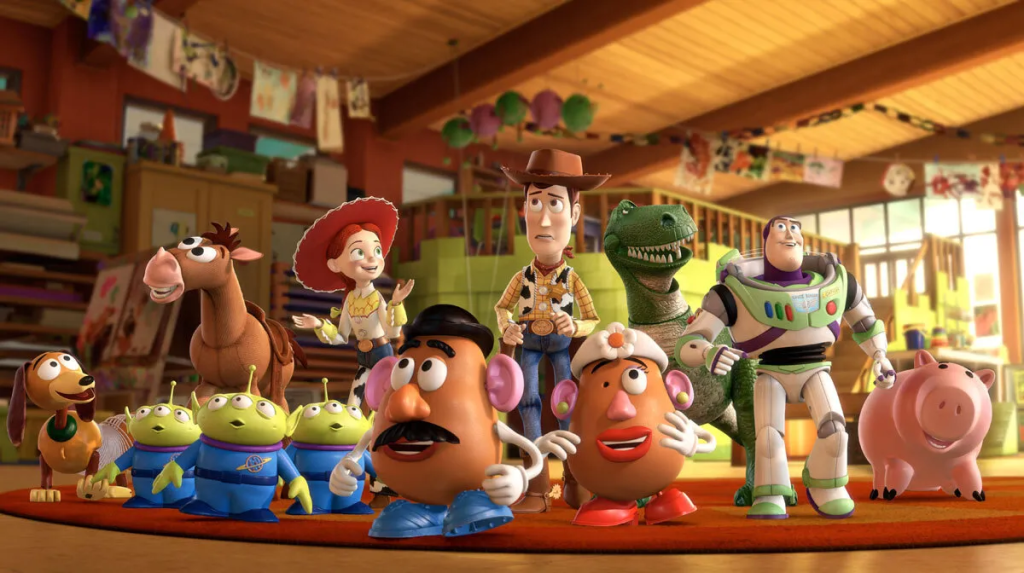
Toy Story
Toys are fully conscious but forced to remain motionless around humans, implying a lifetime of suppressed autonomy and existential limitation.
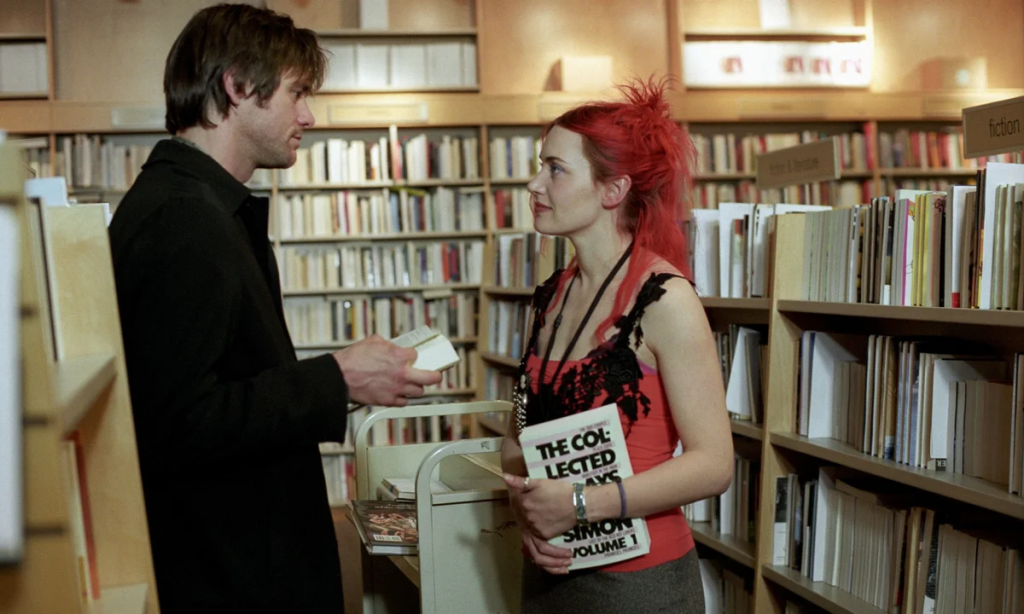
Eternal Sunshine Of The Spotless Mind
The procedure erases memories without addressing underlying issues, suggesting the characters are likely doomed to repeat the same relationship cycle.
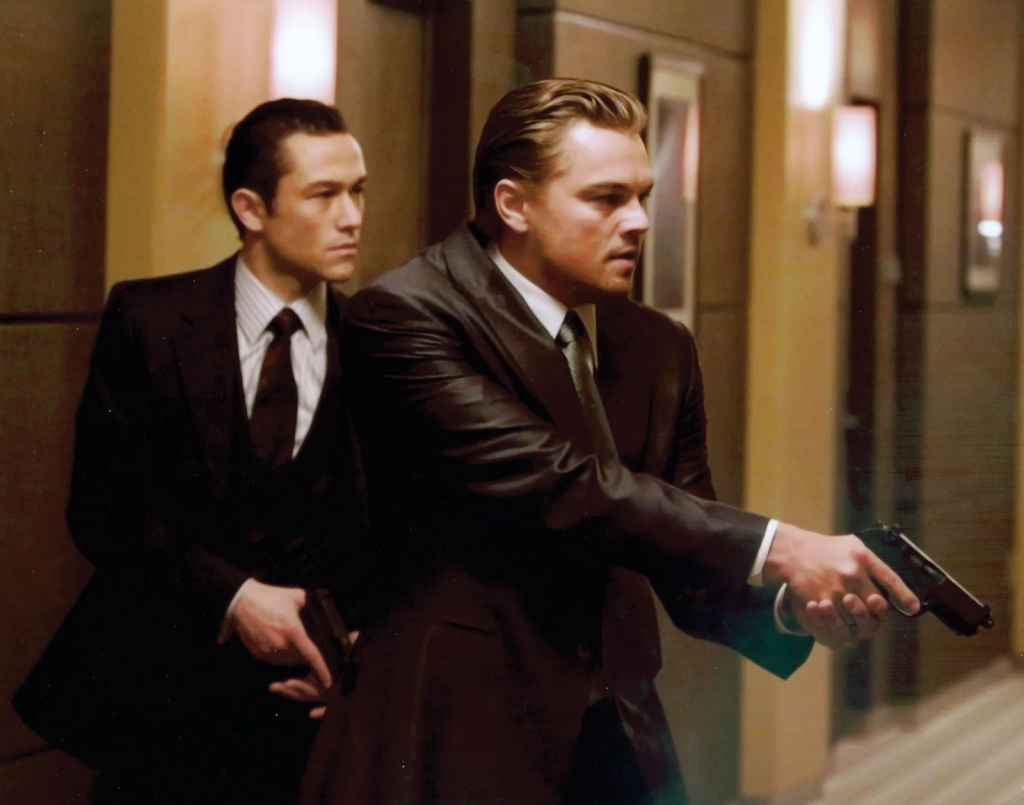
Inception
Even if the ending is ambiguous, Cobb’s willingness to walk away without confirming reality suggests he may no longer care what is real.
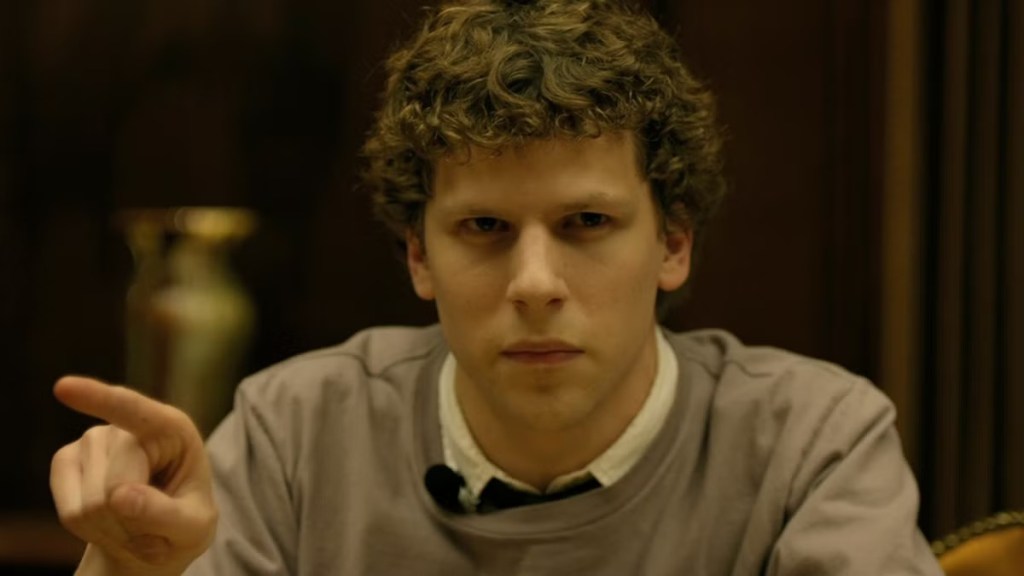
The Social Network
The film ends with Zuckerberg alone, repeatedly refreshing a friend request, highlighting the isolation behind massive social connectivity.

Gone Girl
The ending traps both main characters in a toxic relationship, suggesting manipulation and deceit will continue indefinitely.
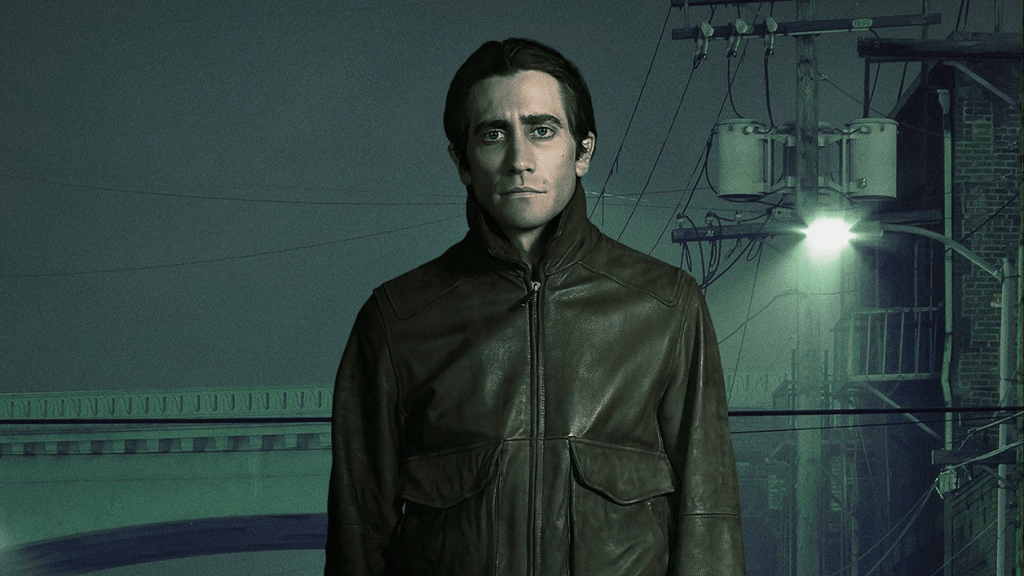
Nightcrawler
Lou’s success implies that unethical behavior is not only tolerated but rewarded, reinforcing a disturbing view of media culture.
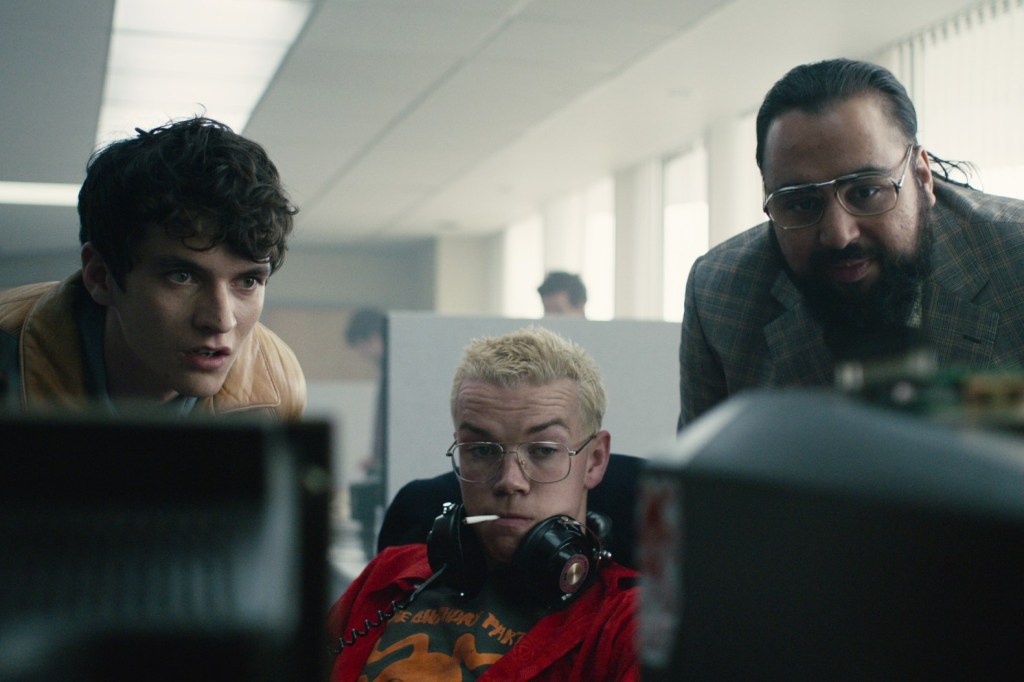
Black Mirror: Bandersnatch
The story repeatedly removes the protagonist’s agency, forcing players to confront how little control either they or the character truly have.
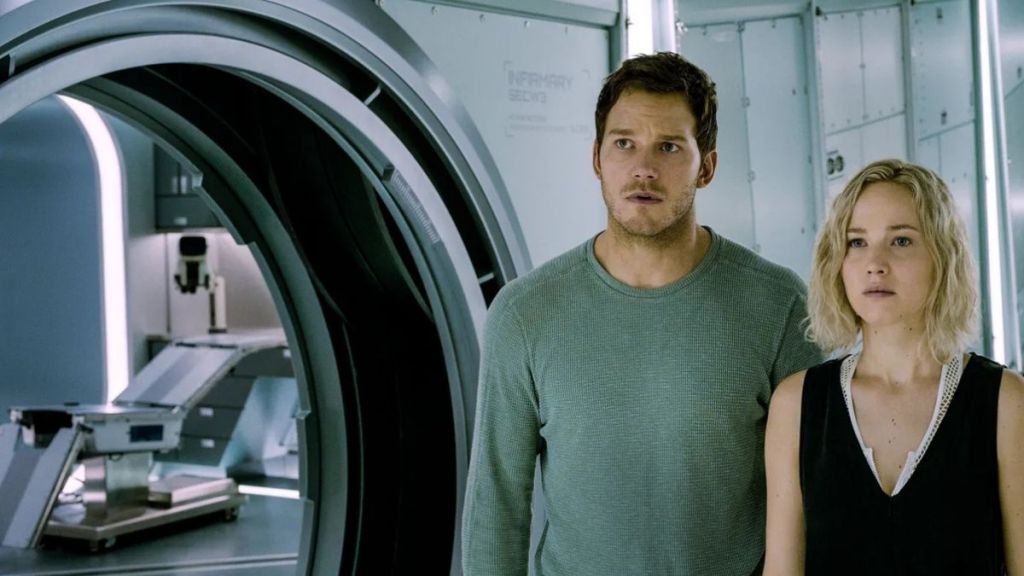
Passengers
Jim’s decision to wake Aurora is framed romantically, but it effectively removes her agency and condemns her to his fate.

Whiplash
The film blurs the line between mentorship and abuse, leaving it unclear whether the protagonist’s success justifies the trauma endured.
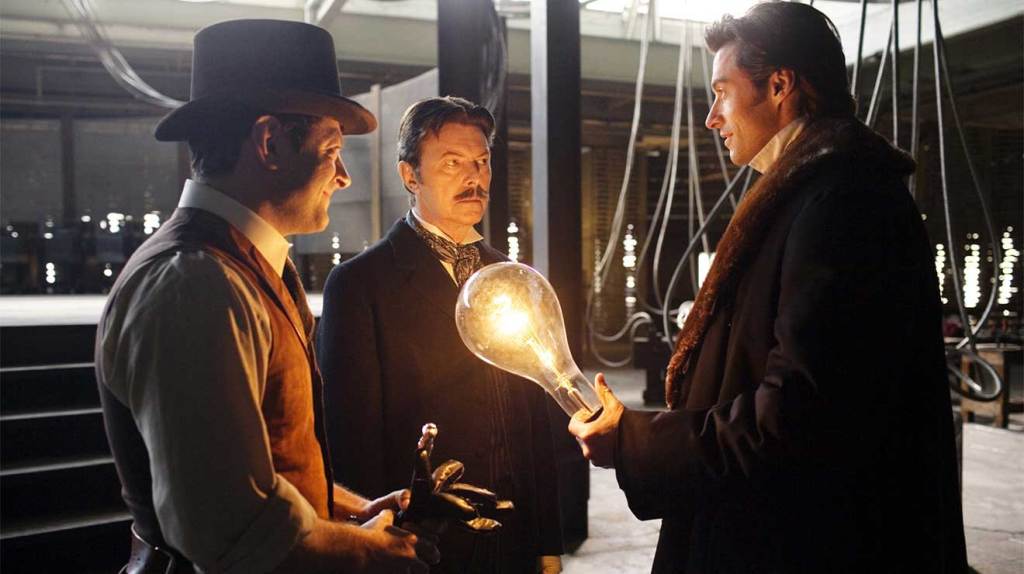
The Prestige
The cloning process implies repeated deaths of the same individual, reframing the magician’s success as a cycle of self-sacrifice.

Cars
The existence of sentient vehicles raises unanswered questions about human absence, creating an unsettling implication about the world’s history.
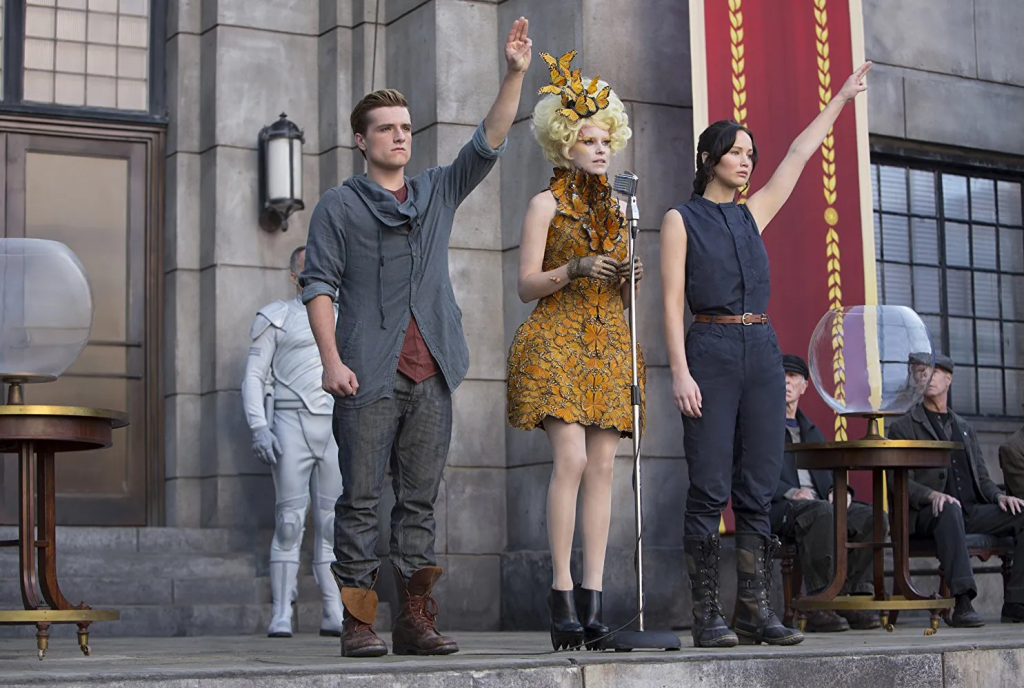
The Hunger Games
The tributes are meant to be malnourished children from impoverished districts, yet many appear physically strong and well-fed, creating a disconnect that softens the story’s intended brutality.
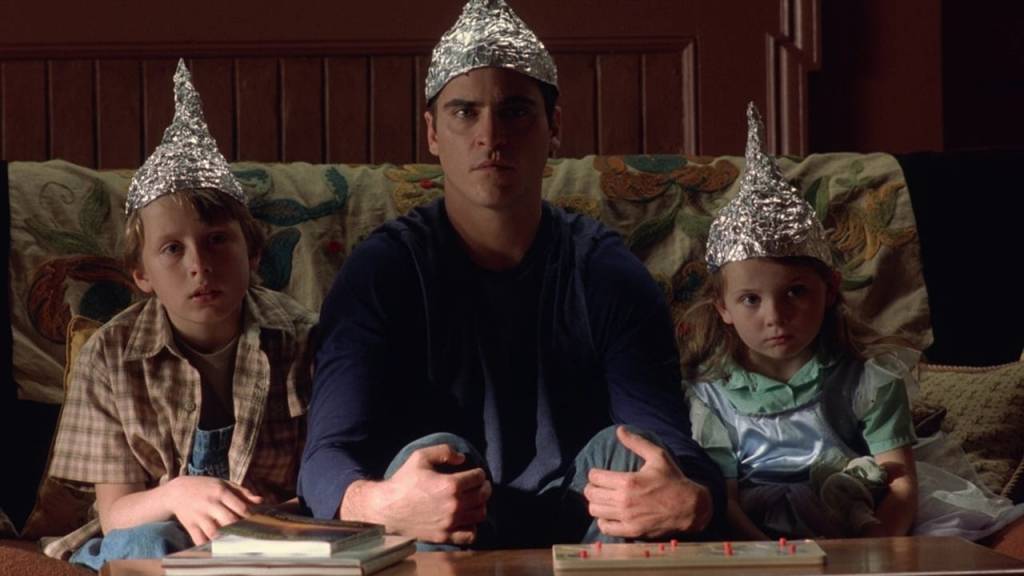
Signs
The aliens invade a planet covered mostly in water despite it being lethal to them, raising the implication that their plan was fundamentally flawed from the start.
The post 15 Unsettling Movie Facts That Might Change How We See Them appeared first on Den of Geek.




 Bengali (Bangladesh) ·
  English (United States) ·